The Beginner’s Guide to Cooking Beef Mince Like a Chef
Hand a new cook a pack of beef mince and a hot pan, and you’ll usually get one of two results: a decent, if slightly grey and watery, attempt at spaghetti bolognese — or a genuinely great dinner. The difference isn’t talent. It’s technique. Mince is one of the most forgiving, budget-friendly proteins in the kitchen, but a few small habits separate the pan that browns beautifully from the one that steams itself into sadness.
I’ve spent years training cooks who were terrified of “messing up” something as simple as ground beef. So let’s fix that. By the end of this guide, you’ll know exactly what mince is, whether it deserves its healthy-or-not reputation, and how to cook it properly — step by step, no guesswork.
Key Takeaways
- Mince and ground beef are the same product — the name just changes depending on where you live.
- Lean mince (85–90% lean) gives you flavor without excess grease.
- The secret to good mince is a screaming-hot, dry pan and not overcrowding it.
- One pound of mince, cooked right, can become five completely different meals.
- You don’t need bolognese every time — there’s a whole world past the tomato sauce.
Wait — Isn’t Mince Just Ground Beef?
Yes, and this confuses more people than one might expect. “Mince” is the term used across the UK, Ireland, Australia, and much of the English-speaking world for beef that’s been ground down. In the United States, the same product sits in the same spot in the meat aisle, just labeled “ground beef.” Same cuts, same grind, same cooking method. If a recipe says “mince” and you’re shopping in an American grocery store, walk straight to the ground beef and don’t overthink it.
Where it gets slightly more nuanced is the fat ratio. You’ll see labels like 80/20 or 90/10 — that’s the percentage of lean meat to fat. For most everyday cooking, I recommend sitting in the 85/15 to 90/10 range. Enough fat to keep things juicy and flavorful, not so much that you’re pouring off a cup of grease halfway through cooking.
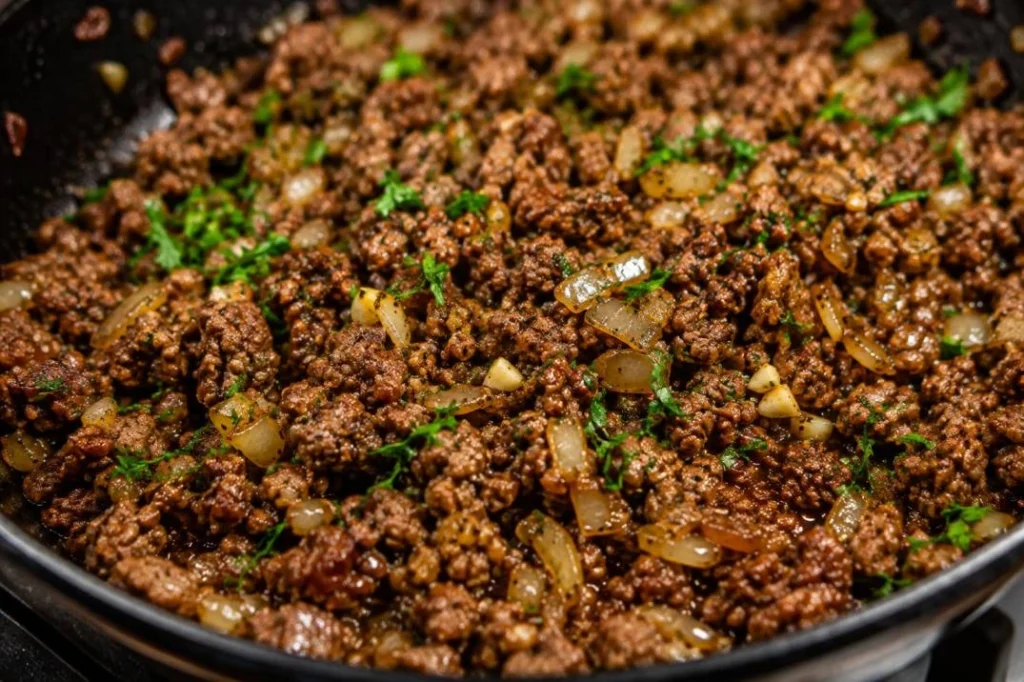
Is Beef Mince Actually Healthy?
This is the question I get asked constantly, and the honest chef’s answer is: it depends on the cut and the plate around it. Lean mince is a genuinely solid source of protein, iron, and B12 — nutrients a lot of people don’t get enough of. It’s also earned an unfair “poor man’s meat” reputation simply because it’s affordable, not because it’s low quality.
The health picture changes with fat content and how you cook it. Draining excess fat, pairing mince with vegetables rather than only starch, and choosing leaner blends turns it into a legitimately balanced dinner — not a guilty pleasure. Like most food questions, moderation and preparation matter more than the ingredient itself.
The Foolproof Skillet Mince Recipe
This base recipe is the one I teach every beginner first, because once you’ve nailed it, you can turn it into tacos, a shepherd’s pie filling, a rice bowl, or yes — bolognese, if you insist.
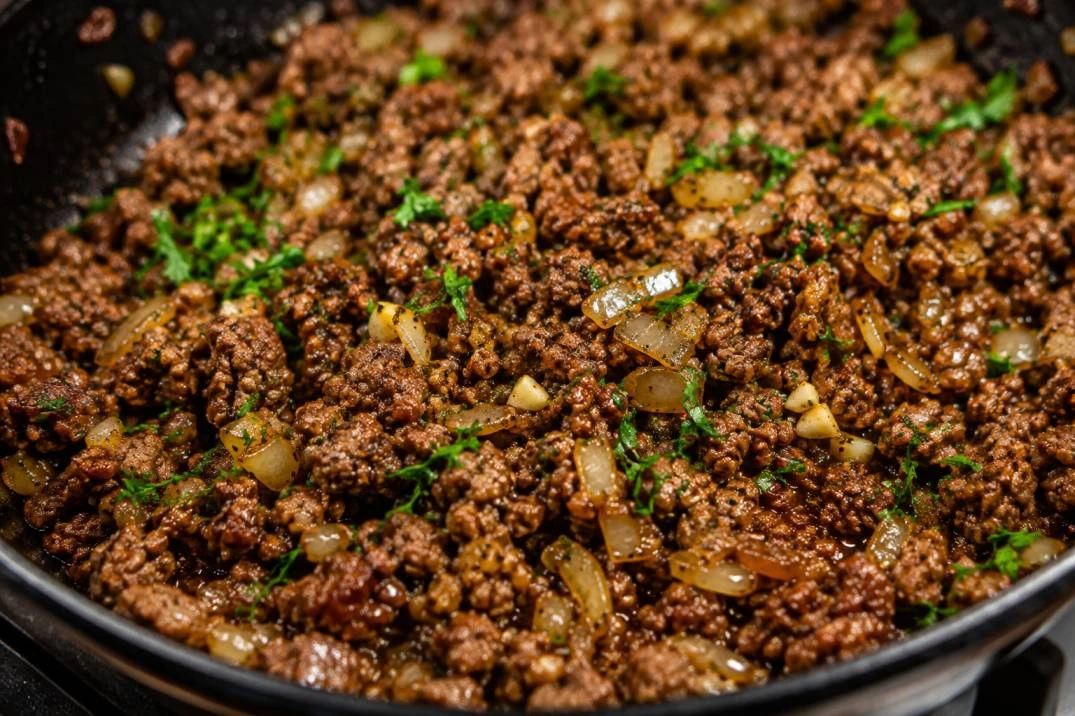
Beef Mince Recipe – How to Cook Beef Mince Like a Chef
Ingredients
Notes
Step-by-Step Method:
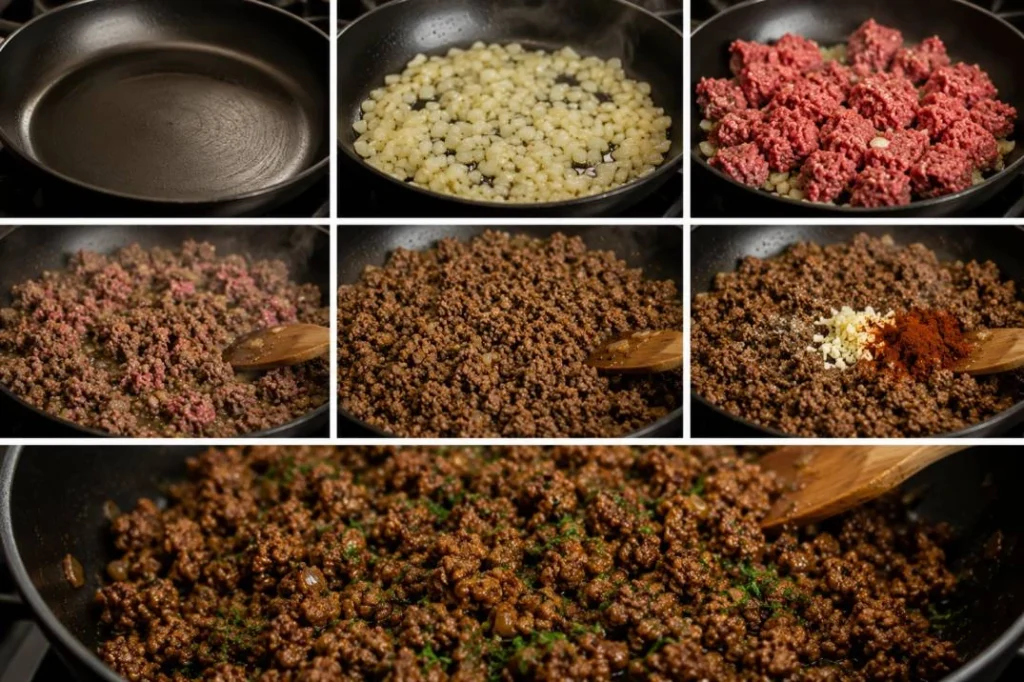
- Heat the pan first, empty. Get a wide skillet properly hot over medium-high heat before anything goes in. A cold pan is the number one reason mince ends up boiled instead of browned.
- Add the oil, then the onion. Sauté for 2–3 minutes until it turns translucent and starts to smell sweet, not sharp.
- Add the mince — don’t crowd it. Break it into large chunks with a wooden spoon and spread it across the pan in a single layer. Resist stirring for the first 2 minutes; this is what gives you browning instead of grey mush.
- Break it down gradually. Once the underside has color, start breaking the meat into smaller pieces, stirring occasionally, for another 5–6 minutes.
- Add garlic and seasoning. Stir in the garlic, salt, pepper, and paprika. Cook for 1 more minute — garlic burns fast, so keep it moving.
- Drain if needed. If there’s excess fat pooled in the pan, tilt it and spoon it off before serving or adding sauce.
- Taste and finish. Adjust salt, then use it however you like — this base is done.
Chef’s Tips for Better Mince Every Time
A few habits I drill into every beginner: pat the mince dry with a paper towel before it hits the pan if it looks wet from packaging — moisture is the enemy of browning. Cook in batches if your pan is small; a crowded pan drops in temperature and steams the meat instead of searing it. And never season with salt before cooking if you can avoid it, since early salting draws out moisture too early.
Bored of Bolognese? Here’s Where Else Mince Can Go
Bolognese gets all the attention, but it’s genuinely the least interesting thing you can do with a great pan of mince. Use this same base recipe as a filling for tacos with a squeeze of lime, layer it into a shepherd’s pie under mashed potato, stir it through rice with soy sauce and scallions for a fast weeknight bowl, or stuff it into bell peppers with cheese on top. Once the technique is solid, the recipe possibilities are basically endless.
Frequently Asked Questions:
Are ground beef and mince the same thing?
Yes. “Mince” is the term used in the UK and many other English-speaking countries, while “ground beef” is the American equivalent. They refer to the identical product.
Is beef mince healthy to eat?
It can be. Leaner blends (85/15 or higher) offer solid protein, iron, and B12 with manageable fat, especially when you drain excess grease and pair it with vegetables rather than relying on starch alone.
What is the best way to cook mince?
Start with a hot, dry pan, avoid overcrowding, and let the meat sit undisturbed for the first couple of minutes to brown properly before breaking it apart. Rushing this step is the most common beginner mistake.
What can I make with beef mince that isn’t bolognese?
Plenty. Tacos, shepherd’s pie, stuffed peppers, and rice bowls are all quick, satisfying options that use the exact same base cooking method.
Final Thoughts
Mince has a reputation for being basic, but that’s exactly what makes it a great place to build real cooking confidence. Master this one technique — hot pan, no crowding, patience before stirring — and an entire week of easy, satisfying dinners opens up. Try the base recipe tonight, and next time, skip the bolognese and see where else it takes you.
Tried this recipe? Let me know in the comments what you turned your mince into — I’d love to hear which twist became your new go-to.