Diced Beef Recipes: The Beginner’s Guide to Fall-Apart Tender Beef (No More Chewy Stew)
Everything you need to stop guessing with diced beef — why it goes rubbery, what to cook instead of another stew, and a foolproof recipe to get you started.
Key takeaways
- Chewy diced beef almost always comes down to time and heat, not the cut you bought.
- There’s no single “secret ingredient” for tenderness — it’s a cooking method, and I’ll walk you through it.
- Diced beef is far more versatile than stew: think curries, pies, kebabs, and hearty soups.
- You can speed up tenderizing with a few genuine kitchen tricks, not just a longer cook time.
- By the end of this guide, you’ll have a step-by-step recipe you can cook tonight.
Here’s a scene I’d bet you’ve lived through. You’ve browned your diced beef, tipped in the veg, left it simmering for what felt like a respectable amount of time — and when you finally sit down to eat, every piece fights back. Chewy. A bit sad. You start wondering if you did something wrong, or if the butcher sold you a bad batch.
You didn’t do anything wrong. You just ran into the one rule that catches almost every beginner out: diced beef and quick cooking don’t get along. Once you understand why, cooking it well stops being a mystery and starts being second nature. That’s what this guide is for.
Why Diced Beef Turns Chewy (And What Actually Fixes It)
Diced or “stewing” beef usually comes from hard-working cuts — chuck, shin, blade, brisket. Those muscles do a lot of moving around on the animal, which means they’re threaded with collagen, a tough connective tissue. Cook that cut fast and hot, the way you’d sear a steak, and the collagen just tightens up like an elastic band. That’s your chewy bite.
The fix isn’t a secret ingredient. It’s patience. Given low, moist heat over time, that same collagen slowly melts into gelatin — which is exactly what gives a good stew its silky, rich texture. This is why a proper stew, curry, or braise needs a good hour and a half to three hours on a gentle simmer, or six to eight hours on low in a slow cooker. Rush it, and you’ve only partially broken the collagen down. Push through that awkward middle stage, and you get the fall-apart result you’re after.
So if someone tells you there’s a magic tenderizing ingredient, take it with a pinch of salt. The closest thing to a “secret” is technique — and a couple of genuine shortcuts, which I’ll get to shortly.
Can you just pan fry diced beef?
You can, but only if you treat it like a stir-fry rather than a stew. High heat, thin pieces, moving constantly, out of the pan within a few minutes — that works because you’re not trying to break down collagen at all, you’re just searing the surface before it has a chance to seize up. If you pan fry a big, tough dice and expect stew-like tenderness, you’ll be disappointed. Pan-frying and slow braising are two different jobs for two different results.
Beyond the Stew Pot: What Else Can You Make With Diced Beef?
Stew gets all the attention, but it’s really just one branch of a much bigger tree. Once you’ve got the low-and-slow principle down, the same diced beef opens up into a whole rotation of dinners.
- Curries — a beef rendang or massaman uses the exact same slow-cook logic as stew, just with warmer spice.
- Pie filling — cook your beef down as you would for stew, then top with pastry for a proper steak pie.
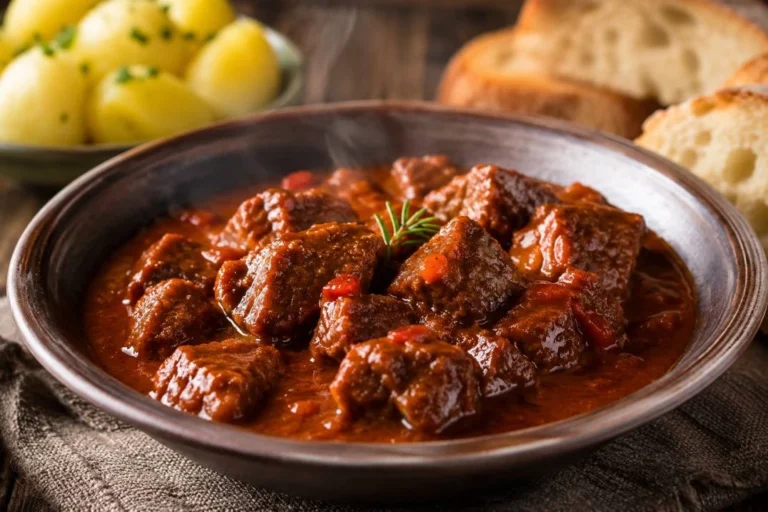
- Goulash — paprika, peppers, and a longer simmer turn diced beef into something completely different from a British stew.
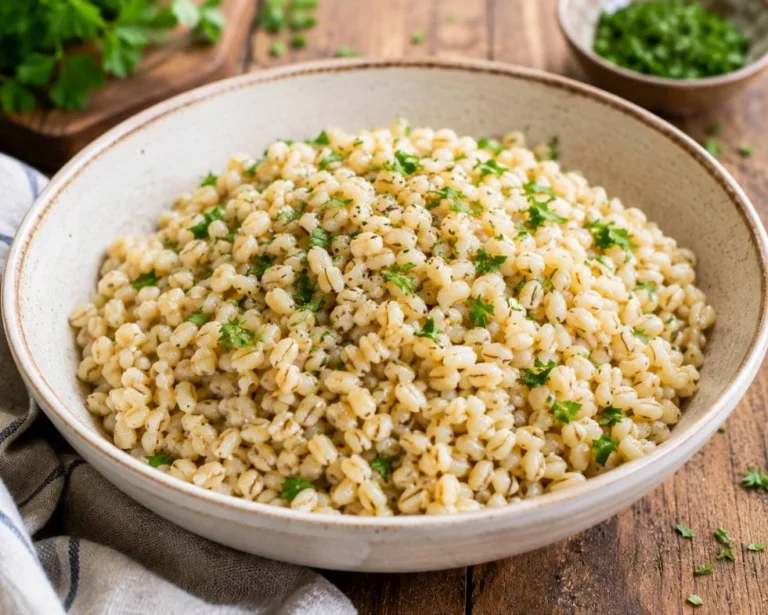
- Hearty soups — beef and barley or beef and vegetable soup uses the same cut, just with more liquid.
- Kebabs and skewers — if you choose a naturally more tender cut (like sirloin, diced small) and marinate it, you can grill or griddle rather than braise.
- Chilli con carne — diced beef simmered with tomatoes, beans, and spice for longer than you’d think.
Notice the pattern: almost everything on that list, aside from kebabs, still leans on time. That’s not a coincidence — it’s the whole trick of cooking tough cuts well.
Step-by-Step: A Foolproof Melt-in-the-Mouth Beef Stew
This is the recipe I’d hand a nervous first-timer. Nothing fancy, no obscure ingredients, and it teaches you the exact technique you’ll reuse in every diced-beef dish afterwards.
Classic Melt-in-the-Mouth Beef Stew
Serves 4 · Prep 15 minutes · Cook 2–2.5 hours
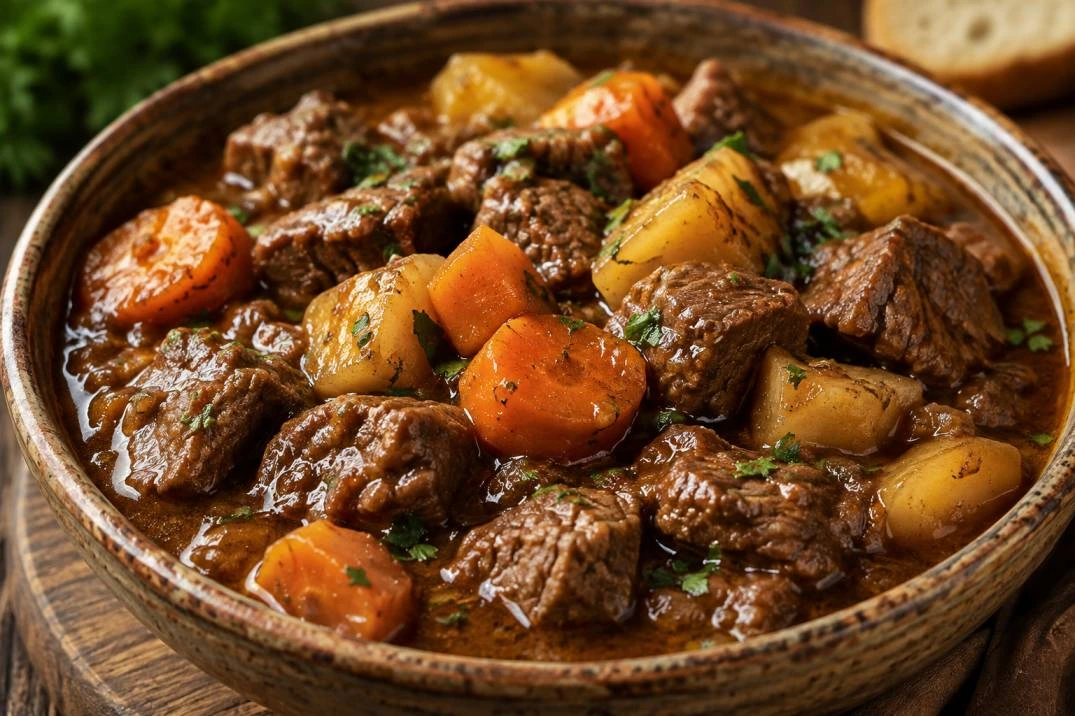
Diced Beef Recipes: Fall-Apart Tender Beef
Ingredients
Method:
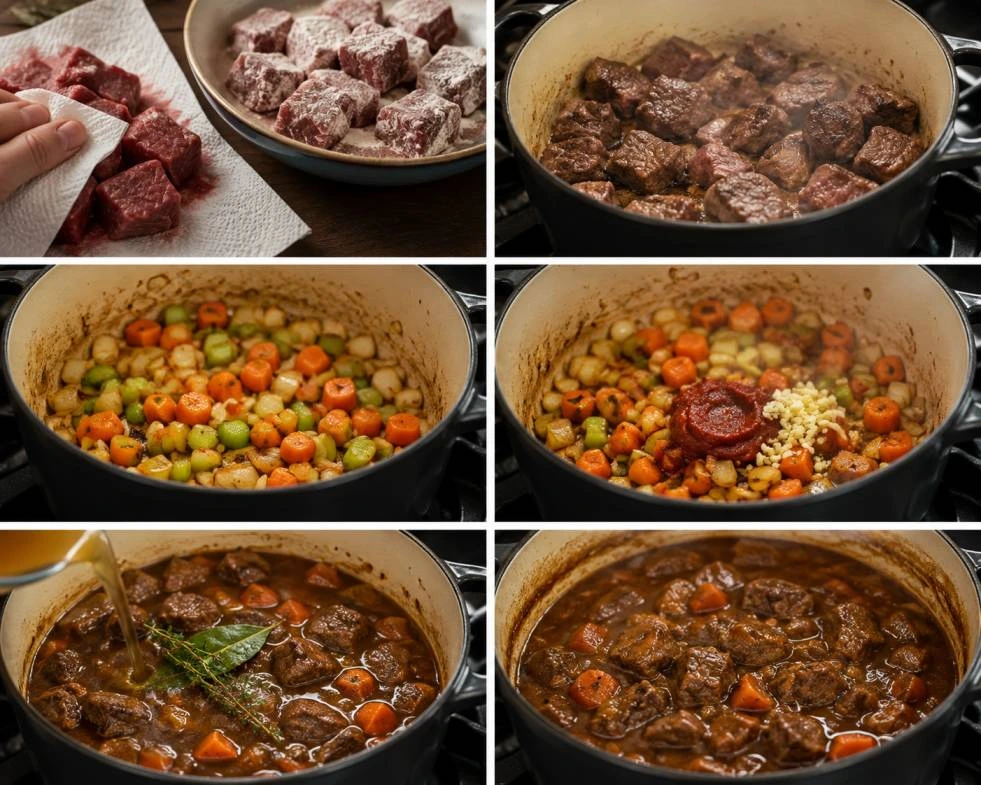
- Pat the beef dry with kitchen paper — a dry surface browns properly, a wet one just steams. Toss the pieces in the seasoned flour until lightly coated.
- Heat the oil in a heavy-bottomed pot over medium-high heat. Brown the beef in batches, a few pieces at a time — crowding the pan stops it from browning and you lose that flavour. Set the browned beef aside.
- In the same pot, add the onion, carrot, and celery. Cook for 5–6 minutes until softened, scraping up any browned bits from the bottom — that’s flavour, not mess.
- Stir in the garlic and tomato purée, and cook for another minute until fragrant.
- Return the beef to the pot along with any juices. Pour in the stock, then add the bay leaf and thyme.
- Bring to a gentle simmer, then reduce the heat right down, cover, and leave it alone for 2 to 2.5 hours, stirring occasionally. You’ll know it’s ready when a piece of beef falls apart with barely any resistance from a fork.
- Take out the bay leaf, taste the dish, and modify the seasoning as needed.. Serve with mash, crusty bread, or rice.
The only real way to rush this dish without losing tenderness is a pressure cooker, which can get you there in under an hour by cooking at a higher pressure and temperature than a normal simmer allows. Everything else — turning the heat up on the hob, cutting the time short — just leaves you with tough meat in a nice sauce.
Genuine Ways to Tenderize Beef Cubes Faster
If you’re short on time, there are a few legitimate shortcuts worth knowing, rather than relying on time alone.
- Cut smaller. Smaller dice means more surface area exposed to heat, which speeds up how quickly the collagen breaks down.
- Marinate with acid. A splash of vinegar, wine, or citrus juice starts to loosen the muscle fibres before the beef even hits the pan.
- Try the baking soda trick. A light coating of bicarbonate of soda for 15–20 minutes (rinsed off before cooking) raises the surface pH and helps stop the proteins binding as tightly — a technique borrowed from Chinese stir-fry cooking, often called velveting.
- Use a pressure cooker. As mentioned above, this is genuinely the fastest route to tender diced beef without babysitting a pot for hours.
Frequently Asked Questions
Can you pan fry diced beef?
Yes, but treat it like a stir-fry rather than a stew — high heat, small pieces, quick movement, and out of the pan within minutes. Pan-frying alone won’t tenderize a tough cut the way slow braising does.
What is the secret ingredient to make beef tender?
There isn’t really a single ingredient — tenderness comes from cooking method, specifically low, moist heat over time. Acidic marinades and a baking soda coating can help speed things along, but the main “secret” is patience.
How long does it take diced beef to cook?
For a proper fall-apart texture, plan on 1.5 to 3 hours simmering on the hob, or 6 to 8 hours on low in a slow cooker, depending on the cut and size of the dice. A pressure cooker can cut that down to under an hour.
What can I make with cubed beef besides stew?
Plenty — curries like rendang or massaman, steak pie filling, goulash, beef and barley soup, chilli con carne, and, if you choose a naturally tender cut, marinated kebabs or skewers.
Give it a go. Pick one dish from this guide — the stew if you want to build confidence, or a curry if you’re after something with more punch — and cook it this week. Once you’ve felt the difference between rushed beef and properly rested beef, you won’t go back to guessing.
What’s the dish you’re most tempted to try first?