The Secret to a Proper Beef Stew: A Beginner’s Guide by a Chef
Why most home-made stews fall flat, and exactly how to fix that — one pot, one Sunday afternoon, no fuss.
I’ve lost count of how many times someone’s told me, “I made a stew once and it just came out grey and watery.” It’s one of the most common things I hear from beginner cooks, and honestly, it’s rarely their fault. Beef stew looks deceptively simple — chuck some meat and veg in a pot, wait — but there are three or four small decisions that separate a stew that tastes like a warm hug and one that tastes like nothing at all. I’m going to walk you through every single one of them.
This isn’t a fussy, restaurant-style recipe. It’s the stew I’d teach anyone standing in my kitchen for the first time — built for a Sunday, a slow cooker weekend, or a “I need comfort food right now” kind of evening.
Key takeaways before you start:
- Browning the meat properly is non-negotiable — it’s where most of the flavour comes from
- Beef stew gets more tender the longer it cooks, low and slow, not the other way round
- Stock and a splash of red wine beat plain water every time
- Season in layers, not just at the end
- A cheap cut of meat (chuck or shin) actually makes a better stew than an expensive one
What Is the Secret to Making a Good Beef Stew?
If you asked me to boil it down to one word, I’d say: patience. Not in a vague, philosophical way — I mean it quite literally. A good stew is built in layers, and each layer needs its own bit of time to do its job before you rush to the next one.
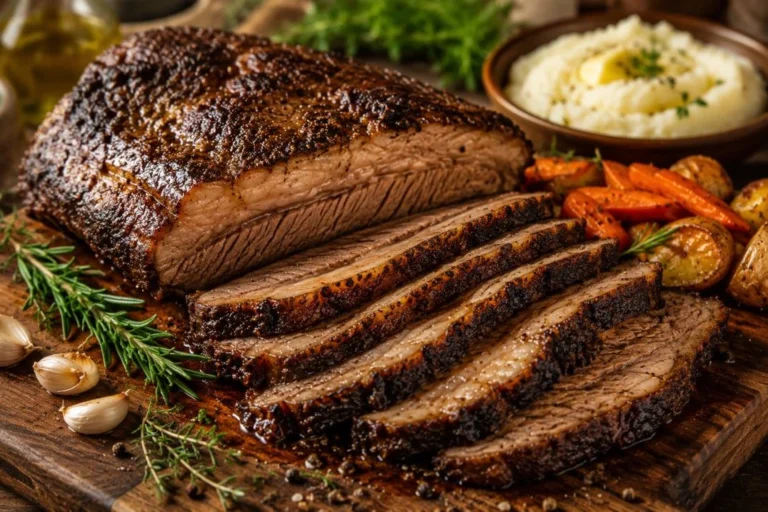
The first layer is the browning. Get your pan properly hot, pat the beef dry, and sear it in batches so you’re browning, not steaming, the meat. That crusty, caramelised layer on the outside of the beef is where a huge amount of the stew’s final flavour comes from — food scientists call it the Maillard reaction, but you don’t need the science to appreciate the result. Skip this step, and no amount of seasoning later will make up for it.
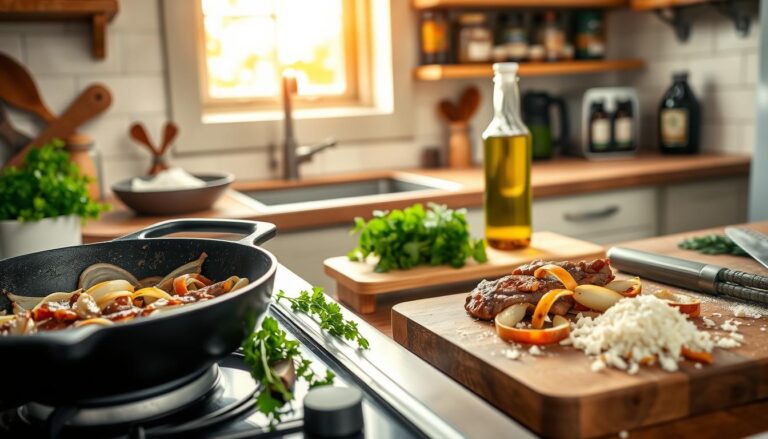
The second layer is building a proper base: onions, carrots, celery, garlic, softened gently in the same pan (scraping up all those browned bits stuck to the bottom — that’s flavour, not mess). Then comes your liquid, your herbs, and finally, time.
What Liquid Is Best for Beef Stew?
This one trips up a lot of beginners. Water isn’t wrong, exactly, but it’s a missed opportunity. Here’s what I reach for, in order of preference:
- Beef stock — the backbone of the dish. Use a good quality stock cube or, better still, a fresh or carton stock if you have it.
- A splash of red wine — adds depth and a gentle acidity that balances the richness of the meat. It doesn’t need to be expensive; something you’d happily drink a glass of is fine.
- A dash of Worcestershire sauce — this is my not-so-secret weapon. A tablespoon adds a savoury, umami backbone that makes people ask what your “secret ingredient” is.
Combine stock with wine, and you get a stew with real depth rather than something that just tastes like boiled meat.
How to Make Beef Stew Really Tender
Here’s something that surprises a lot of people: tougher, cheaper cuts of beef — like chuck steak, shin, or brisket — are exactly what you want for stewing. These cuts are full of connective tissue and collagen, and here’s the good news: the longer and slower you cook them, the more that tissue breaks down into rich, silky gelatine. That’s what gives a proper stew its clingy, spoon-coating texture.
So, does beef get more tender the longer you cook it in a stew? Up to a point, yes — low and slow is the rule. Aim for at least 2 to 2.5 hours at a gentle simmer, or 6-8 hours on low in a slow cooker. Rushing this with high heat will do the opposite: it’ll toughen the meat before the collagen has had time to break down properly.
What Not to Put in Beef Stew
Some frequent errors I observe repeatedly:
- Too much liquid at once — the meat and vegetables release their own liquid as they cook, so it’s easy to end up with something more like a soup than a stew.
- Delicate vegetables added too early — things like peas or fresh herbs will turn to mush if they go in at the start. Add them in the final 15-20 minutes.
- Using boiling water instead of simmering — can make the meat tougher. You want small, lazy bubbles, not a rapid boil.
- Skipping the seasoning check at the end — long cooking mellows seasoning, so always taste and adjust salt and pepper right before serving.
A Simple, Proper Beef Stew — Step by Step
This makes enough for a generous family dinner with leftovers, because a stew always tastes better the next day.
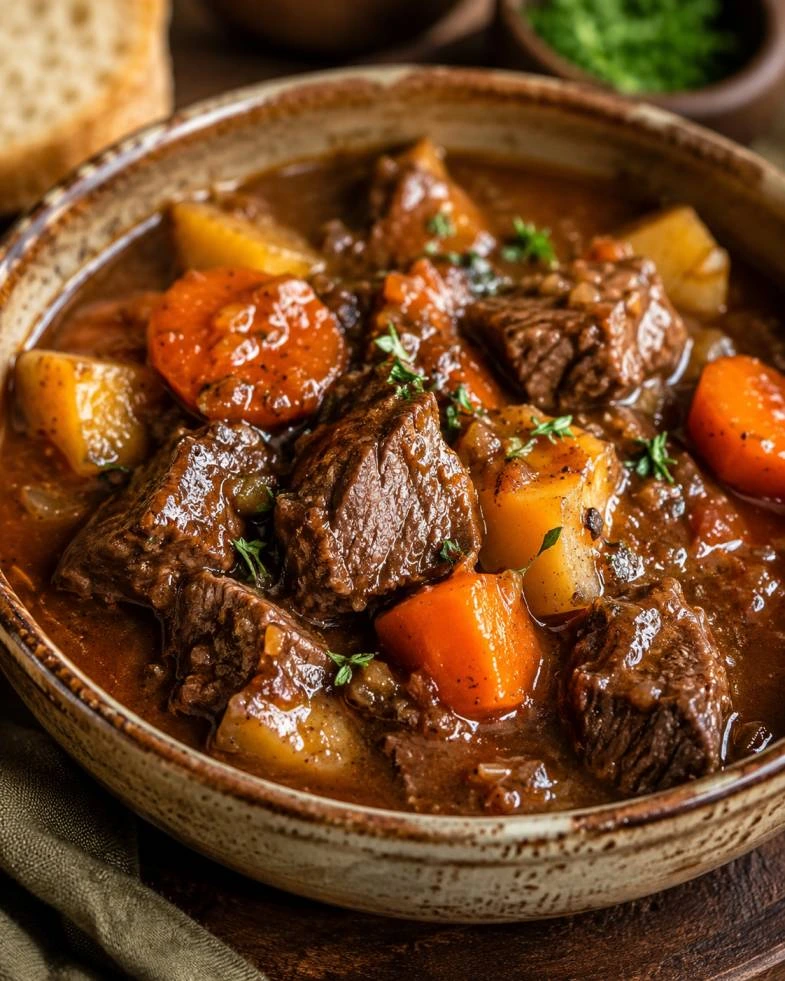
Proper Beef Stew: Easy, Rich & Tender Homemade Recipe
Ingredients
Notes
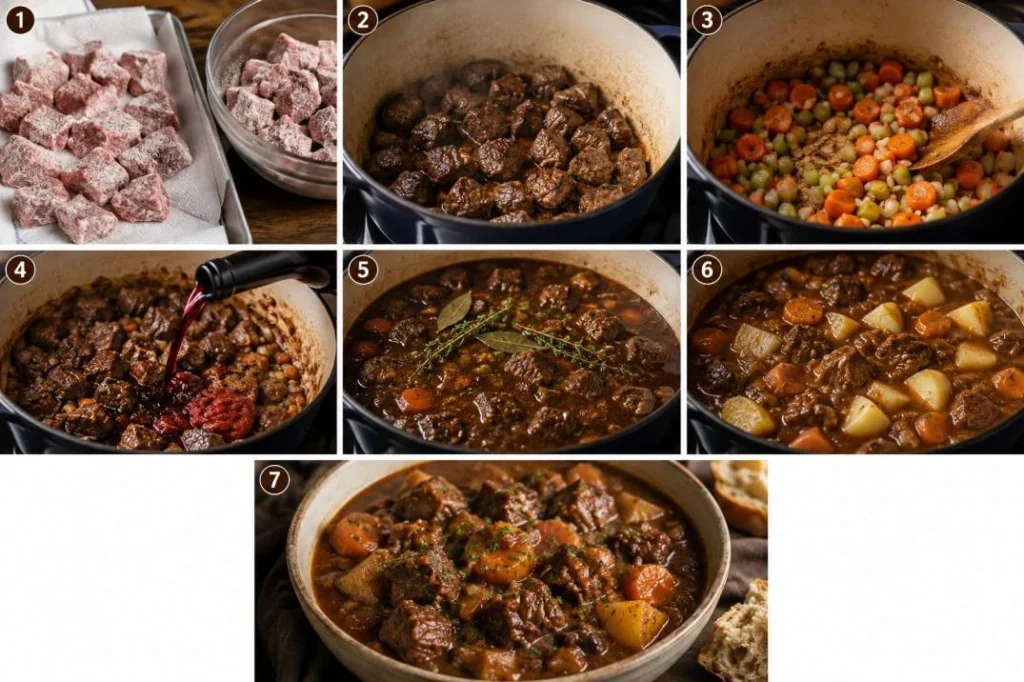
Step 1: Prep and coat the beef
Pat the beef chunks completely dry with kitchen paper — this is essential for a good sear. Toss them in the seasoned flour until lightly coated.
Step 2: Brown in batches
Heat the oil in a large, heavy-based pot over a high heat. Brown the beef in two or three batches, giving each piece space in the pan. Don’t rush this — you’re after a deep, golden-brown crust, not grey meat. Set the beef aside once browned.
Step 3: Build the base
Lower the heat slightly and add the onions, carrots, and celery to the same pot. Cook for 5-7 minutes until softened, scraping up the browned bits from the bottom as you go. Add the garlic and tomato purée and cook for another minute.
Step 4: Deglaze and combine
Add the red wine (if using) and allow it to simmer for a minute or two. Return the beef to the pot, then add the stock, Worcestershire sauce, bay leaves, and thyme. Everything should be just about covered by liquid.
Step 5: Simmer, low and slow
Bring to a gentle simmer, then cover and reduce the heat right down. Cook for around 1.5 hours, checking occasionally to make sure it’s simmering, not boiling.
Step 6: Add the potatoes
Stir in the potatoes and continue simmering, uncovered this time, for a further 45 minutes to an hour, until the meat is fork-tender and the sauce has thickened naturally.
Step 7: Taste, adjust, and serve
Remove the bay leaves and thyme sprigs. Taste and adjust the seasoning — this step matters more than people think. Serve hot, with crusty bread or mash on the side.
Slow cooker version: brown the meat and soften the vegetables as above, then transfer everything to a slow cooker with the liquid and cook on low for 7-8 hours.
Frequently Asked Questions:
What is the secret to making a good beef stew?
Properly browning the meat before it goes anywhere near liquid, and then giving it enough time on a gentle simmer. Both steps build flavour and texture that can’t be rushed or added back in later.
What liquid is best for beef stew?
A combination of good beef stock, a splash of red wine, and a dash of Worcestershire sauce gives the most rounded, savoury result — far more depth than water alone.
How do you make beef stew really tender?
Choose a cut with plenty of connective tissue, like chuck or shin, and cook it low and slow. A gentle simmer for 2-2.5 hours (or several hours in a slow cooker) breaks the collagen down into gelatine, giving that classic melt-in-the-mouth texture.
What should you avoid putting in beef stew?
Avoid adding delicate ingredients like peas or fresh herbs too early, and avoid letting the pot boil rapidly. Both mistakes lead to mushy vegetables or tough meat.
Made this stew? I’d genuinely love to know how it turned out — whether you swapped in a slow cooker, added a splash of ale instead of wine, or found your own twist on it. Drop a comment below, and if you’re new to stewing, don’t worry: this is one of those dishes that gets easier and more instinctive every time you make it.