Crochet Pencil Case: A Fun, Beginner-Friendly Project You Can Finish in a Weekend
If you’ve been searching for a simple, satisfying project to try, a crochet pencil case might be exactly what you need. It’s small enough to finish quickly, useful enough that you’ll actually use it every day, and flexible enough to customize with any color palette or stitch pattern you like. Whether you’re new to crochet or just want a quick project between bigger ones, a handmade pencil case is a great way to practice your skills while making something genuinely practical.
What Makes This Crochet Project Special
A crochet pencil case works well as a project because it’s compact, forgiving, and endlessly customizable. Unlike garments, there’s no fitting involved — just a simple pouch shape that holds pens, pencils, and small school or office supplies. Because the piece is small, it’s an excellent way to practice new techniques like color changes, tension control, or adding a zipper, without committing to a large project.
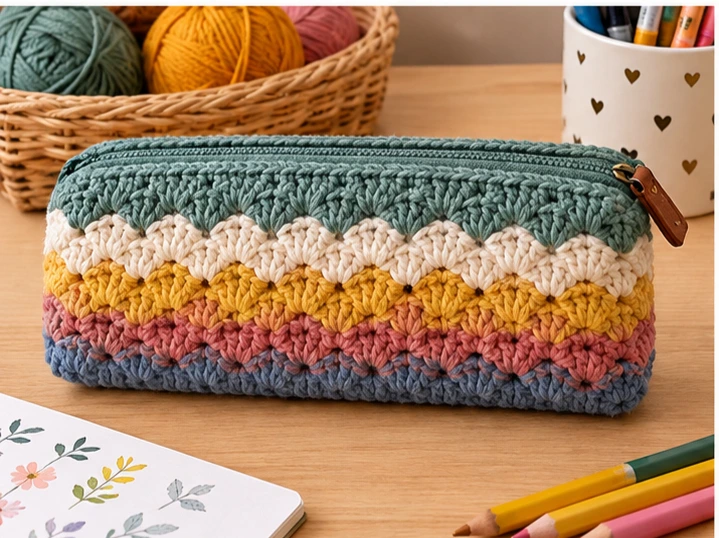
The appeal also comes from how personal these cases can feel. A solid-color case looks clean and minimal, while stripes, granny squares, or textured stitches like the bobble or shell stitch can turn a basic pouch into something that looks handmade with intention. Many crocheters like making a few at once — they’re great for gifting, especially around back-to-school season.
Materials You May Need
Exact materials will depend on your chosen pattern and yarn weight, but most crochet pencil cases require some combination of the following:
- Worsted weight cotton or cotton-blend yarn (cotton holds its shape better than acrylic for pouches)
- A crochet hook sized appropriately for your yarn (check the yarn label’s suggested hook size)
- A zipper, or ribbon/cord if you prefer a drawstring closure
- A yarn or tapestry needle for weaving in ends and seaming
- Scissors
- Stitch markers, especially helpful for working in continuous rounds
- Fabric lining (optional, but helpful for durability and keeping small items from poking through stitches)
- Sewing needle and thread (if attaching a zipper or lining by hand)
If you’re not sure which yarn or hook size to use, a smaller hook with a firmer cotton yarn tends to create a denser, sturdier fabric — ideal for something that needs to hold its shape and protect pencils or pens.
How to Make It
Choose Your Shape and Construction Method
Most crochet pencil cases fall into one of two categories: a flat rectangular pouch seamed on the sides, or a tube-shaped case worked in continuous rounds with a flat base. Beginners often find the flat, seamed version easier to control, since it doesn’t require increasing and decreasing to shape a base.
Work the Body
If making a flat design, chain a foundation row roughly the length you want your finished case, then work rows in single crochet or half double crochet until the piece reaches your desired height (doubled, since it will fold in half). If working in the round, start with a flat oval or rectangle base, then continue upward without turning, keeping stitch counts consistent from round to round.
Add the Closure
Once your main pouch shape is complete, add your zipper by hand-sewing it along the top opening, or crochet a simple flap-and-button closure if you prefer to skip the zipper altogether. A drawstring casing is another beginner-friendly option — simply leave small gaps in your stitching near the top edge to thread cord or ribbon through.
Seam and Finish
If your pouch was made flat, fold it and seam the sides using a whip stitch or slip stitch for a clean, tidy edge. Weave in all loose ends securely so they won’t come undone with daily use.
Tips for a Better Result
- Pick sturdy yarn. Cotton or cotton-acrylic blends resist stretching better than pure acrylic, which matters for something carried in a bag daily.
- Watch your tension. Keep stitches even and slightly tight to prevent gaps where pencil tips could poke through.
- Block your piece if using natural fibers. Light steam blocking can even out stitches and help the case lie flatter.
- Test your zipper fit before sewing it in permanently. Pin it first to make sure the length matches your opening.
- Line it for extra durability. A simple fabric lining protects against pen ink and adds structure.
Top 4 Crochet Trends
1. Textured Stitch Patterns
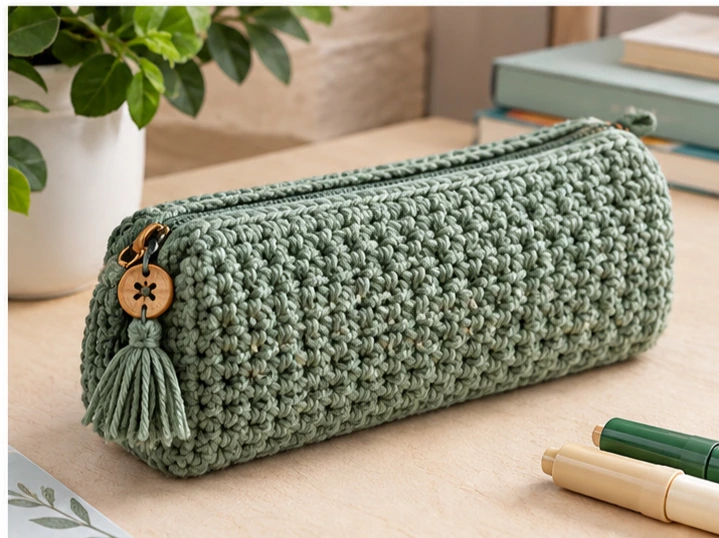
Simple textures like the moss stitch, waffle stitch, or linen stitch have become popular for small accessories because they add visual interest without needing multiple colors. You could work your pencil case in a textured stitch instead of a plain single crochet for a more elevated look.
2. Color-Blocked Designs
Rather than stripes, many crocheters are combining two or three solid color blocks in unexpected pairings. This works well on a pencil case — try a bold color block on one side and a neutral on the other.
3. Granny Square Accessories
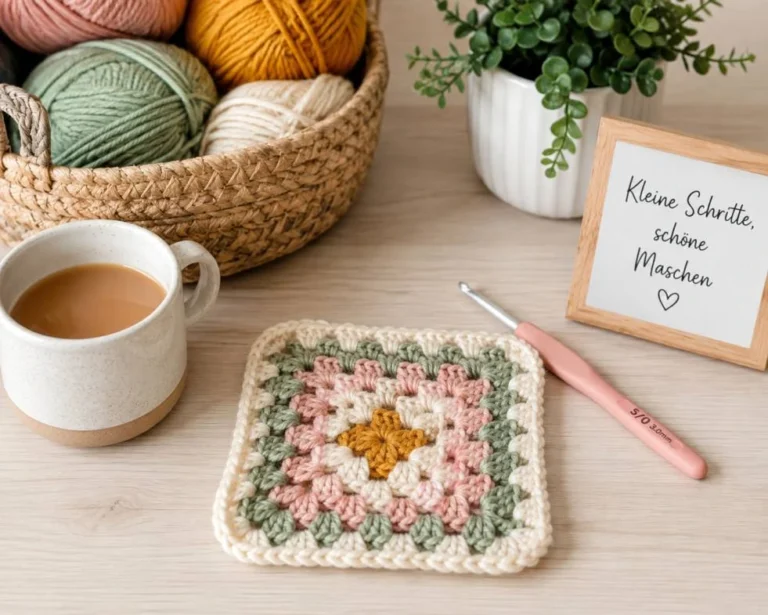
Small granny square panels are frequently used to build up accessory pieces like pouches and cases. You could crochet a few squares and join them to form the front panel of your pencil case for a cozy, nostalgic look.
4. Sustainable and Scrap Yarn Projects
Using leftover yarn from bigger projects has become a common approach for small makes like pencil cases, since they don’t require much yardage. This is a practical way to use up scraps while keeping the project low-cost.
Styling and Customization Ideas
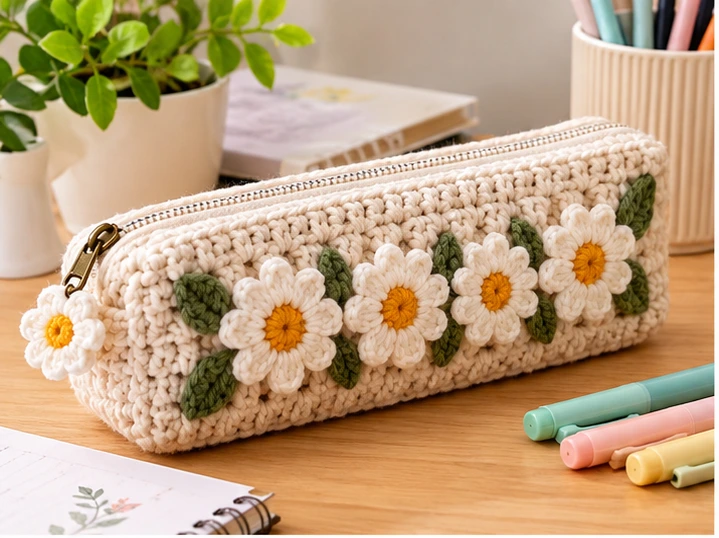
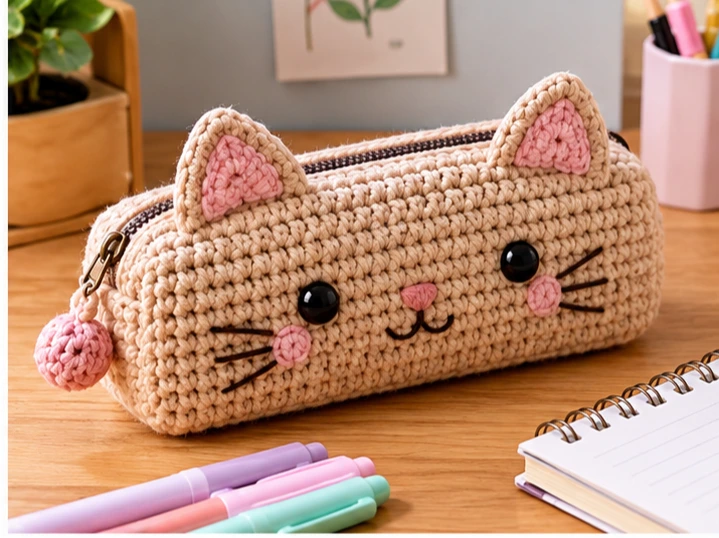
- Add a crocheted flower, tassel, or small amigurumi charm to the zipper pull.
- Match the case to a larger set, like a coordinating tote bag or coin purse.
- Personalize with an embroidered initial or small motif.
- Make several in different colors as teacher or student gifts.
- Try a two-tone design with a contrasting zipper for a bolder look.
FAQs
Is a crochet pencil case a good beginner project?
Yes. It requires only basic stitches and a small amount of yarn, making it a manageable project for newer crocheters.
What yarn works best for a crochet pencil case?
Cotton or cotton-blend yarns tend to hold shape better than pure acrylic, giving the case more structure over time.
Do I need a zipper, or can I use another closure?
A zipper is common, but a button flap or drawstring closure works well too, especially if you want to avoid hand-sewing a zipper.
How long does it take to crochet a pencil case?
Most cases can be completed in a few hours to a weekend, depending on size, stitch pattern, and your experience level.
Can I line my crochet pencil case with fabric?
Yes, and it’s often recommended. A fabric lining adds durability and prevents pen tips from poking through the stitches.
What stitch should I use for a sturdy pencil case?
Single crochet is typically the go-to choice because it creates a dense, tight fabric that holds items securely.
Can I make a crochet pencil case without a pattern?
Yes. A simple rectangular pouch shape can be worked freehand by chaining a base, working even rows, and seaming the sides.
Conclusion
A crochet pencil case is a small project with a big payoff — quick to make, practical to use, and easy to personalize with color, texture, or stitch details. Whether you’re crocheting one for yourself or making a few as gifts, it’s a satisfying way to practice your skills while creating something you’ll reach for often.