Butterfly Crochet Pixel: A Colorful Graphgan Project You’ll Love Making
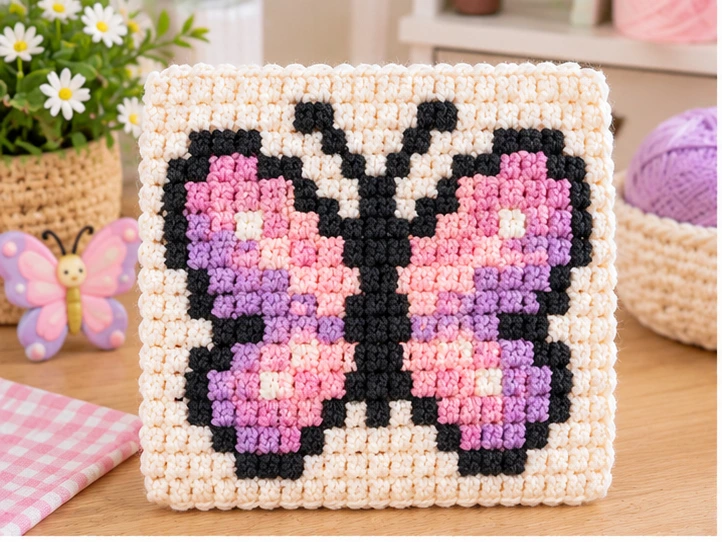
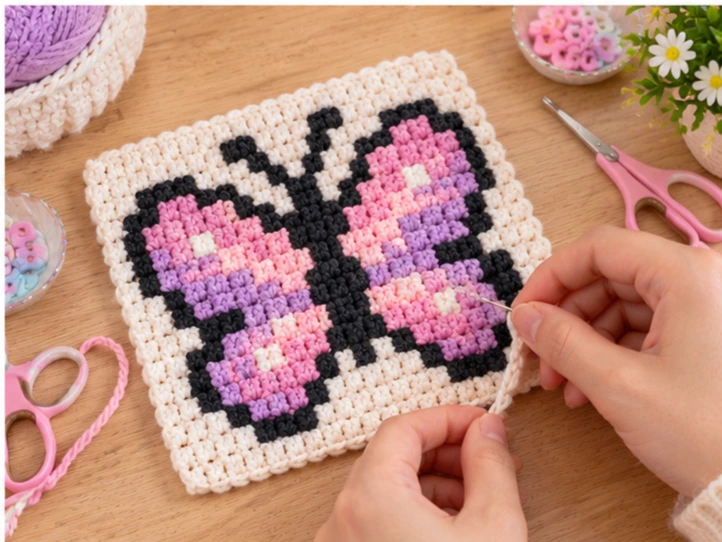
If you’ve been searching for a butterfly crochet pixel project, you’ve probably come across the growing trend of pixel-style crochet art — sometimes called graphgans or C2C (corner-to-corner) crochet. Instead of working in rounds like traditional amigurumi, these designs are built row by row from a pixel grid, turning a simple image into a piece of textured, colorful fabric art. A butterfly is one of the most popular subjects for this technique because its symmetrical wings translate beautifully into a grid pattern.
Whether you want a small pixel butterfly for a mini wall hanging or a larger one to anchor a blanket panel, this guide walks you through what the project involves, what you’ll need, and how to get a clean, professional-looking result.
What Makes This Crochet Project Special
Pixel crochet butterflies stand out because they combine the precision of cross-stitch or pixel art with the texture of crochet. Each “pixel” is typically a small block of stitches — often two double crochets worked over two stitches, or a similar unit — and color changes between blocks are what create the image.
Butterflies work especially well for this style because:
- Their wings are symmetrical, so mistakes are easy to spot and fix.
- Bold color blocking mimics real butterfly wing patterns naturally.
- The shape adapts well to both small and large grids, from a simple silhouette to a highly detailed design with shading.
This makes it a satisfying project for crocheters who enjoy following a chart and watching an image emerge stitch by stitch, rather than shaping a 3D figure.
Materials You May Need
Exact yarn amounts and hook size will depend on the size of your pixel grid and the yarn weight you choose, but a typical materials list includes:
- Worsted weight (medium, US #4) cotton or acrylic yarn in your background color plus 2–5 contrasting colors for the butterfly’s wings and body
- Crochet hook sized to your yarn (commonly a 4.0–5.5mm hook for worsted weight, but always check your yarn label)
- Yarn needle for weaving in the many color-change ends this technique produces
- Scissors
- Stitch markers to track row changes if you’re working from a large chart
- A pixel pattern or graph chart (either a pattern you design yourself using graph paper or pixel-art software, or one you follow from a chosen source)
- Optional: a piece of backing fabric or a wooden dowel if you plan to finish it as a wall hanging
Because pixel crochet involves many small color blocks, using a yarn type that doesn’t split easily will make the project much more manageable.
How to Make It
Step 1: Create or Choose Your Pixel Grid
Start with a butterfly image and convert it into a pixel grid, where each square represents one crochet “pixel.” Many crocheters do this by hand on graph paper, use pixel-art software, or use a graphgan chart generator designed for crochet. Keep the design simple for your first project — a clean two-wing silhouette with a color accent is far easier to follow than a highly shaded design.
Step 2: Choose Your Technique
Two common methods work for pixel crochet:
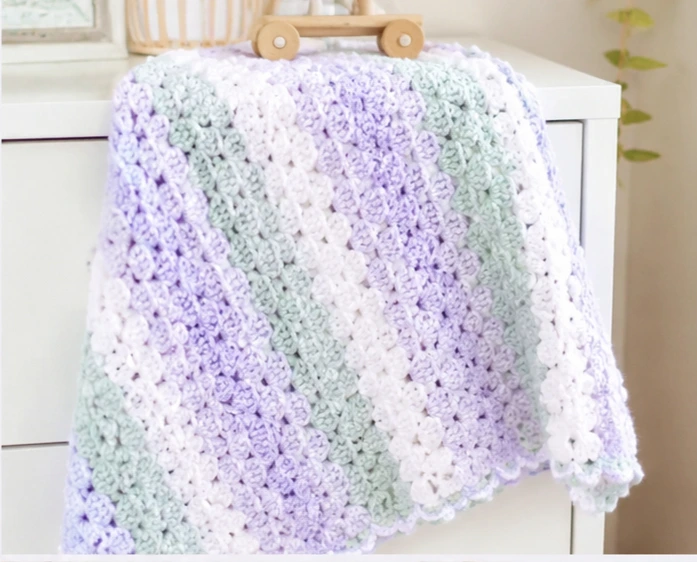
- Corner-to-corner (C2C): worked diagonally in blocks, popular for graphgans and blankets.
- Single crochet pixel rows (aligned grid): worked straight across in rows, which can give a slightly crisper, more image-like result.
Pick whichever method matches your chart, since C2C charts and straight-row charts aren’t interchangeable.
Step 3: Work the Background and Color Blocks
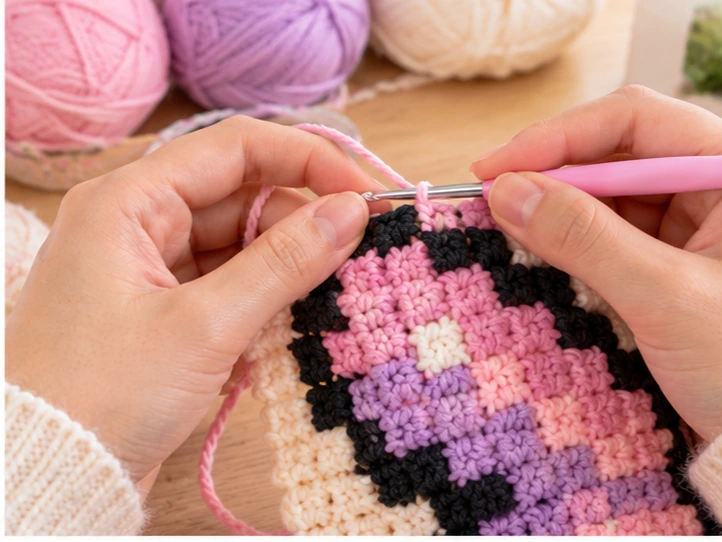
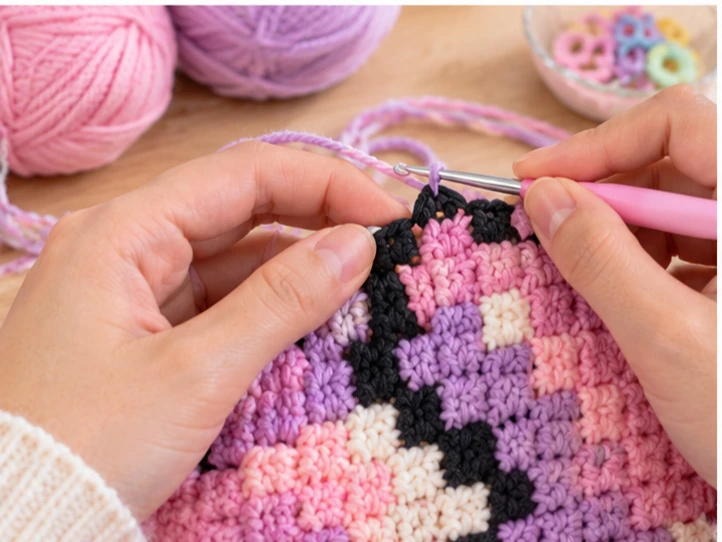
Follow your chart row by row (or diagonal by diagonal for C2C), changing colors exactly where the chart indicates. Carry unused colors along the back of your work when they’ll be needed again soon, or cut and rejoin yarn for larger color blocks to avoid a bulky back side.
Step 4: Shape the Wings and Body
If your chart includes the butterfly’s antennae or a narrow body, these sections may need extra care since they’re often only one or two pixels wide. Work slowly through these narrow rows to keep tension even.
Step 5: Finish and Weave In Ends
Once the last row is complete, fasten off and weave in all yarn ends securely with a yarn needle. Pixel projects tend to generate a lot of ends, so take your time here — loose ends are one of the most common causes of a piece looking unfinished.
Tips for a Better Result
- Choose yarn in the same weight and fiber across all your colors so the tension stays consistent throughout the piece.
- Pick high-contrast colors for the butterfly against the background so the pixel image reads clearly from a distance.
- Keep your tension even across color changes — pulling too tight at a color swap is a common cause of puckering.
- Block your finished piece (especially if using cotton or a natural fiber) to square up the edges and help the pixel grid look crisp and even.
- Test a small swatch first if you’re unsure how a color combination will look once crocheted, since yarn colors can read differently in small blocks than in a printed chart.
Top 4 Crochet Trends
1. Graphgan and Pixel Art Crochet
Turning images into crochet charts has grown steadily as more crocheters use apps and generators to convert photos or drawings into stitch-by-stitch grids. A butterfly crochet pixel project fits squarely into this trend and is a great entry point if you haven’t tried graphgan-style crochet before.
2. Nature-Inspired Motifs
Butterflies, flowers, and leaves remain popular subjects across crochet projects, from appliqués to full blankets. You can lean into this by pairing your pixel butterfly with a soft, botanical color palette rather than bold primary colors.
3. Mini Wall Hangings and Fiber Art
Smaller, frameable crochet pieces are increasingly used as fiber art rather than only functional items. A single pixel butterfly, mounted on a small dowel or embroidery hoop, works well as this kind of decorative piece.
4. AI and App-Assisted Pattern Design
Crocheters are increasingly using pixel-conversion tools and AI-based apps to turn photos into crochet-ready charts, making custom designs — like a personalized butterfly — more accessible without hand-charting every square yourself.
Styling and Ideas
- Frame a small pixel butterfly in an embroidery hoop for a nursery or craft room wall.
- Add several smaller pixel butterflies across a plain crochet blanket as a repeating motif.
- Turn one large pixel butterfly into a bag panel or pillow front.
- Use seasonal color palettes — pastels for spring, deep jewel tones for fall — to change the mood of the same design.
- Stitch a small version onto a tote bag or beanie as an appliqué.
FAQs
Is butterfly crochet pixel a good project for beginners?
It’s approachable if you keep the chart simple. The stitches themselves (usually single or double crochet) are basic, but following a chart accurately takes patience, so it suits confident beginners more than absolute first-timers.
What’s the best stitch for pixel crochet?
Corner-to-corner double crochet and straight single crochet rows are both commonly used. Neither is objectively “best” — it depends on whether your chart was designed for C2C or for straight rows, so match your stitch to your pattern.
How do I convert a picture of a butterfly into a pixel crochet pattern?
You can hand-chart it on graph paper by mapping out color blocks, or use a pixel/graphgan chart generator that converts an image into a stitch grid. Simplifying the image to fewer colors first makes the resulting chart much easier to crochet.
What yarn is best for crocheting a pixel butterfly?
A consistent worsted weight cotton or acrylic in multiple colors works well, since pixel designs rely on clean color contrast. Stick to one yarn brand and fiber type across colors so the tension and sheen stay uniform.
Conclusion
A butterfly crochet pixel project is a rewarding way to combine charted pixel art with the craft you already know. With a clear grid, the right color contrast, and a little patience through the color changes, you can turn a simple butterfly image into a piece of crochet you’ll want to display or gift. Start with a small, simple chart, and once you’re comfortable with the technique, scale up to more detailed butterfly designs with confidence.