Handmade Crochet Plant,Emotional Support Crochet Flower
Emotional Support Crochet Flower: Why Handmade Crochet Plants Are Suddenly Everywhere
A friend of mine keeps a single crocheted sunflower propped in a mug on her desk. She calls it her “emotional support flower.” It doesn’t need water, it never wilts, and on bad days, she says just looking at it helps. I used to think that sounded a little silly — until I noticed three other people at the same office had one too.
That’s the thing about the handmade crochet plant trend: it started as a niche maker’s project and turned into something people actively seek out as comfort objects, gifts, and tiny acts of self-care. If you’ve been seeing these pop up on your feed and wondering what the appeal actually is, here’s the full picture.
What Is an Emotional Support Crochet Flower?
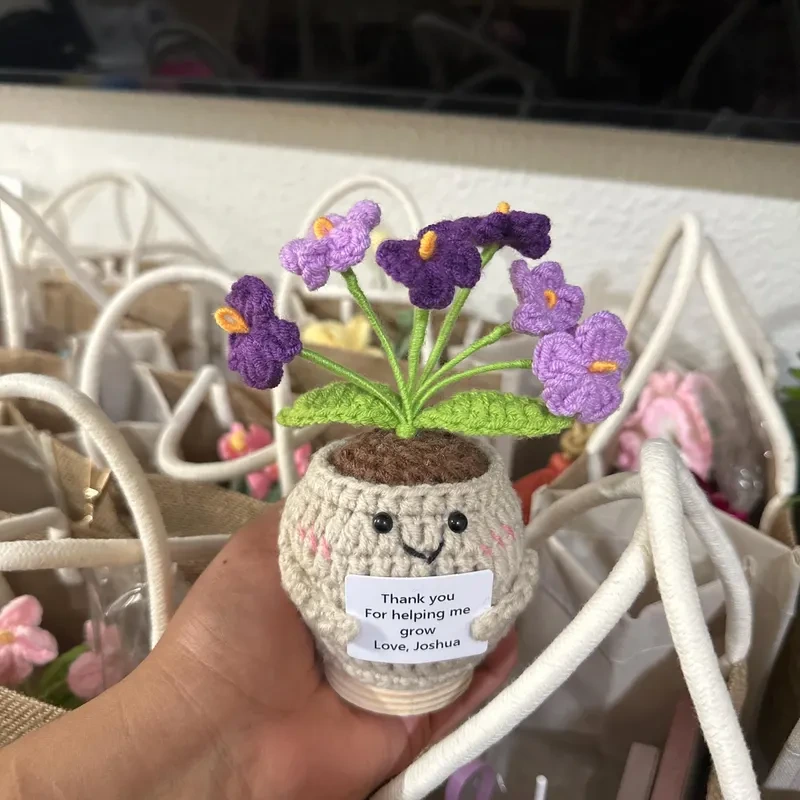
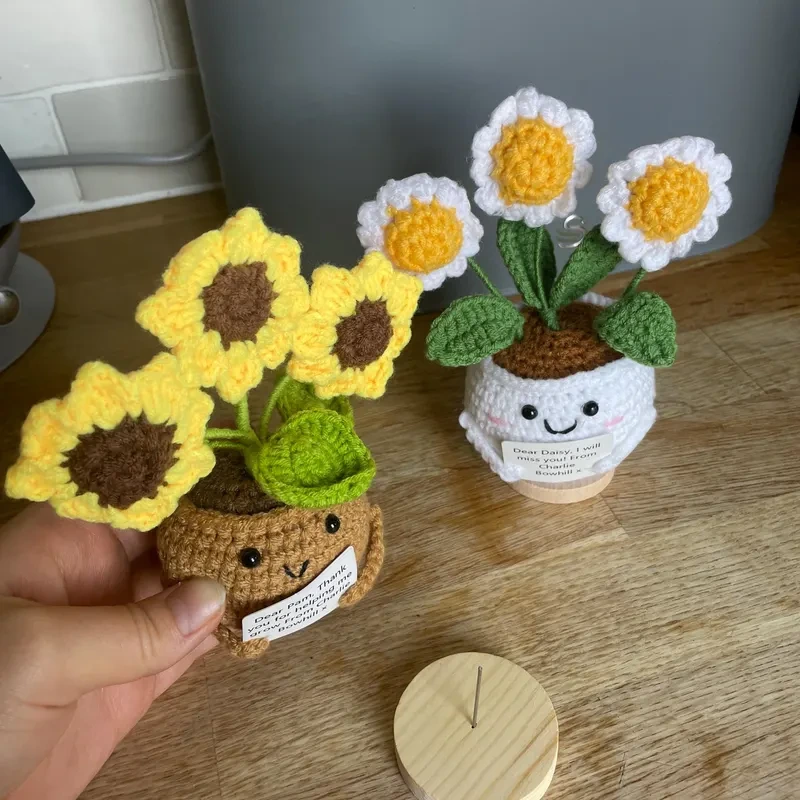
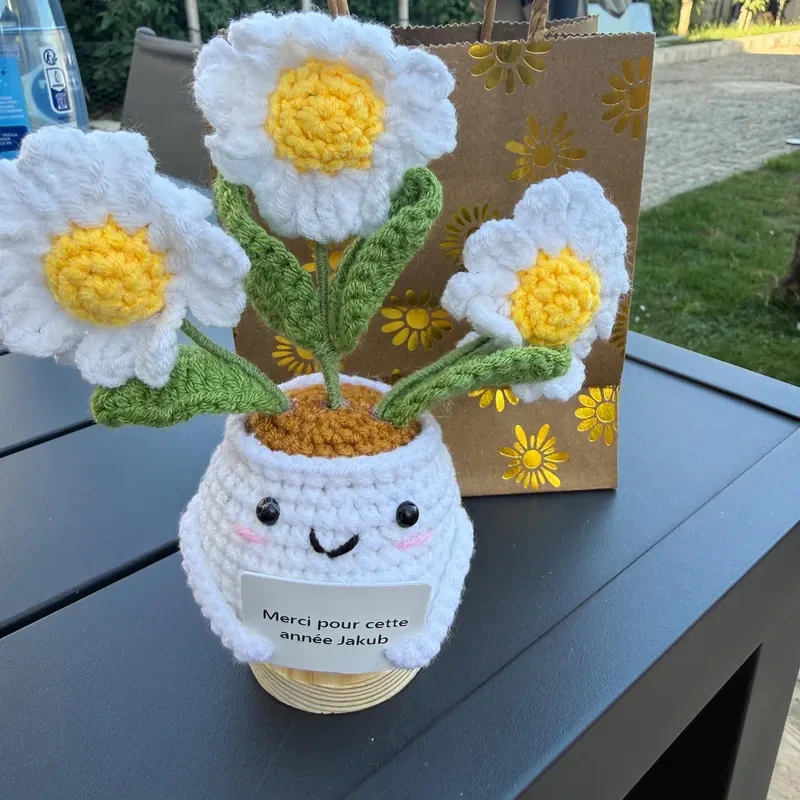
At its core, it’s exactly what it sounds like: a small, single crocheted flower — often a sunflower, daisy, or tulip — made to be kept somewhere visible as a little mood-lifter. Unlike a bouquet, it doesn’t die, doesn’t need maintenance, and can travel with you. Some people keep one on a desk, others tuck one in a bag or car cupholder, and it’s become a popular “thinking of you” gift for anyone going through a rough patch, a breakup, exam season, or a long hospital stay.
The name itself isn’t clinical — nobody’s claiming it’s therapy. It’s more of a warm, slightly tongue-in-cheek label that stuck because it captures exactly why people like them: they’re small, personal, and quietly comforting.
Why Handmade Crochet Plants Are Having a Moment
Faux plants have been popular for years for the obvious reason — they look alive without the upkeep. Crochet takes that a step further by adding a handmade, textured quality that plastic or silk plants don’t have. A crocheted succulent or cactus sitting in a tiny pot reads as cozy rather than artificial, and it fits neatly into the current wave of interest in slow-made, tactile home decor.
There’s also a gifting angle driving a lot of the growth. A crochet plant or flower is inexpensive to make, fits in a small box, and carries more sentiment than something store-bought, which makes it a natural fit for the handmade marketplaces and craft fairs that have exploded in popularity over the last few years.
What Makes a Good Beginner Project in This Category
If you’re new to crochet and drawn to this trend, flowers and small plants are actually one of the friendliest places to start. Most individual petals or leaves are worked flat, in just a few rounds, using basic stitches like single crochet, half double crochet, and simple increases. You’re not managing the shaping challenges of a garment or the joint-and-limb logistics of amigurumi — you’re mostly repeating a small motif until it looks right, then assembling the pieces.
A single flower head with a stem can realistically be finished in an evening once you’re comfortable with the basic stitches, which is part of why it’s such a popular “quick win” project for people easing into the hobby.
How These Are Typically Made
Every pattern varies, but most emotional support flowers and crochet plants follow a similar general structure:
- Petals or leaves are crocheted individually, usually flat, then joined or layered to build the full shape.
- A center (for flowers) is often worked in the round using a magic ring, sometimes in a contrasting color like yellow or brown.
- A stem is typically crocheted around a length of floral wire or pipe cleaner, which lets the finished piece hold a pose or bend slightly.
- A small pot or wrapped base finishes the piece, sometimes filled with dried floral foam or a bit of stuffing to hold the stem upright.
Because exact stitch counts and shaping vary a lot by flower type and designer, this is meant as a general overview rather than a step-by-step pattern — but it gives you a solid sense of what you’re working toward if you go looking for a specific tutorial.
Materials You’ll Need
- Worsted or DK weight cotton yarn in your chosen colors — cotton tends to hold petal shapes better than acrylic
- A crochet hook sized to match your yarn, typically a 3.5–4.5mm
- Floral wire or a pipe cleaner for the stem
- Floral tape or extra yarn to wrap and secure the stem
- A small pot, jar, or wrapped base for display
- Scissors and a yarn needle for finishing
Trending Styles Right Now
Several trends are consistently emerging in the crochet plant market as we approach 2026: single-stem sunflowers and daisies offered as independent gifts, small potted succulent sets, mini cactus keychains, and “bouquets in a jar” sets that mix several flower types in one small arrangement. Muted, earthy color palettes are popular too, giving the pieces a slightly vintage, pressed-flower look rather than a bright, cartoonish one.
Gift Ideas and Occasions
These make natural gifts for situations where flowers feel right but a bouquet doesn’t quite fit — a coworker’s last day, a friend recovering from surgery, a long-distance “thinking of you,” or a graduation where a plant that survives dorm life is genuinely more useful than a real one. Because they’re small and lightweight, they also work well as add-ons to care packages or greeting cards.
Caring for Your Crochet Plant
The maintenance is refreshingly simple: no watering, no sunlight requirements, and no risk of overwatering it into an early grave. The only real care involved is occasional dusting and keeping it away from anything that could snag the yarn. If it gets bent out of shape, the wire stem can usually be gently reshaped by hand.
Frequently Asked Questions
What is an emotional support crochet flower?
It’s a small, single crocheted flower kept as a personal comfort object or gift — low-maintenance, long-lasting, and meant to be a small daily mood-lifter rather than a literal therapy tool.
Is a crochet plant a good beginner project?
Yes. Individual petals and leaves use basic stitches and small motifs, making flowers and mini plants one of the more approachable entry points into crochet.
What materials do I need to make a crochet flower?
Cotton yarn, a matching hook, floral wire for the stem, and a small pot or base are the core supplies — no specialty tools required.
Do handmade crochet plants need any care?
Not really. They don’t need water or light, and upkeep is limited to the occasional dusting and gently reshaping the wire stem if it bends.
Final Thoughts
Whether it’s called an emotional support flower or just a handmade crochet plant, the appeal comes down to the same thing: it’s small, thoughtful, and made by hand, which counts for a lot more than people expect until they’re on the receiving end of one. If you’re looking for a quick, meaningful project to try — or a gift that says more than a card ever could — this is a good place to start.