Crochet Jersey Patterns: How to Make a Sporty, Wearable Crochet Jersey
Crochet jersey patterns give you a relaxed, athletic-style top with the handmade texture of crochet. Think boxy shoulders, a ribbed neckline, color-blocked stripes, and maybe a number or letter on the front. Whether you want a game-day top, a layering piece, or a cozy cotton tee with team-style details, this guide covers materials, construction, and finishing so you can plan a jersey that fits well and holds its shape.
What Makes a Crochet Jersey Special
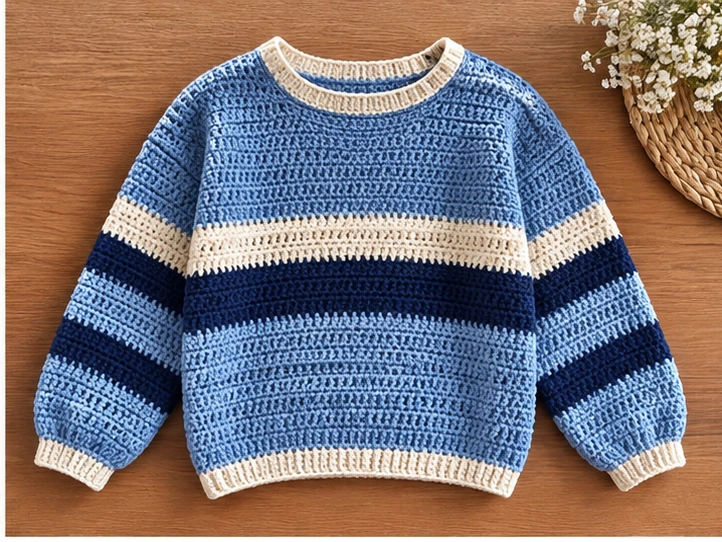
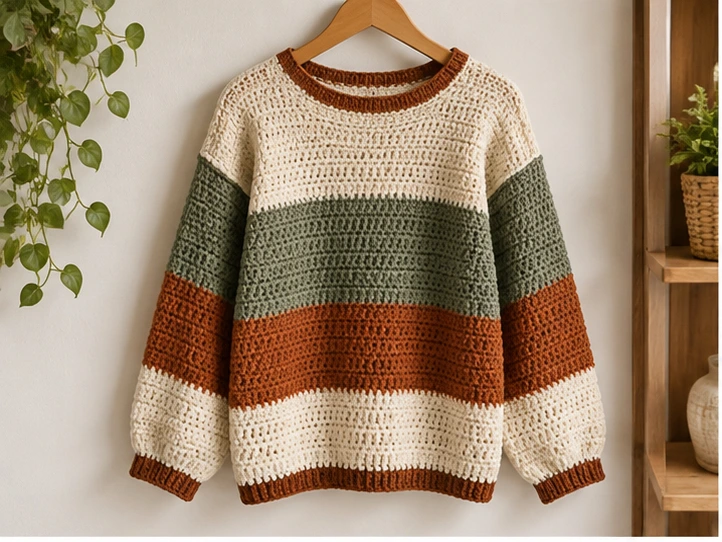
A jersey is defined by its silhouette and its details. Most designs share a straight or slightly boxy body, short or three-quarter sleeves, a rounded or V-shaped neckline, and contrast trim at the neck, cuffs, and hem. Stripes and color blocking are common, and many makers add a number, initials, or a simple emblem.
Crochet suits this style well because you can build the fabric panel by panel, change colors easily, and adjust the length or sleeve shape as you go. The result feels more personal than a store-bought top, and it works for sports fans, festival outfits, or everyday wear.
Materials You May Need
Exact specs depend on the design you choose, so treat this as a starting list:
- Yarn: A smooth cotton or cotton blend is a popular choice for a wearable top. It’s breathable, shows stitch definition, and holds color blocks cleanly. Acrylic blends are lighter and easier to care for. Buy enough of each color to finish the whole piece, and match dye lots when you can.
- Hook: Use the size recommended in your pattern, or one that gives a fabric that’s drapey but not floppy. A jersey should feel like clothing, not a stiff mesh.
- Stitch markers: Handy for marking underarms, neckline shaping, and stripe changes.
- Tapestry needle: For seaming and weaving in ends.
- Measuring tape: Essential for checking fit as you work.
- Optional extras: Contrast yarn for numbers or trim, and a small amount of ribbing-style yarn for cuffs.
How much yarn will you need? It varies widely with size, yarn weight, and stitch pattern. As a rough guide, an adult top-style garment often takes anywhere from several hundred to well over a thousand yards. Always check your pattern’s yardage and add a little extra for swatching and adjustments.
How to Make It
Start with a Swatch
Crochet a swatch at least 4 by 4 inches in your main stitch, then wash and dry it the way you’ll care for the finished jersey. Measure your stitches and rows per inch. Skipping this step is the most common reason a crochet top turns out too small or too large.
Choose Your Construction Method
Crochet jerseys are usually made in one of three ways:
- Flat panels: Front, back, and sleeves worked separately, then seamed. This is the most beginner-friendly option and easy to adjust.
- Top-down: Started at the neckline and worked outward, letting you try it on as you go.
- Motif-based: Squares or hexagons joined into panels, which suits colorful, patchwork-style jerseys.
Work the Body Panels
Simple stitches like single crochet, half double crochet, or double crochet make a sturdy, wearable fabric. Work the back panel to your chosen length, then the front, shaping the neckline by decreasing or leaving stitches unworked. Change colors at the end of a row for clean stripes.
Add the Sleeves
For a classic jersey look, make short, slightly wide sleeves. Work them flat and seam them, or pick up stitches around the armhole and crochet down. Check that the sleeve width leaves room for movement.
Finish the Neckline and Trim
Work a few rounds of single crochet or slip stitch around the neck, cuffs, and hem in a contrast color. Trim gives a jersey its sporty look and cleans up the edges.
Add Numbers or Emblems
Crochet a number or letter separately in a contrast color, then sew it on with small, even stitches. You can also embroider it directly onto the fabric.
Tips for a Better Result
- Pick a yarn with drape. A stiff fabric will look more like a basket than a top. If your swatch feels rigid, try a larger hook.
- Keep tension even. Wearables show inconsistent tension more than small projects do, so check your swatch measurements periodically.
- Plan color changes. Carry yarn up the side for narrow stripes, or cut and weave in ends for wider blocks.
- Try it on as you go. Hold panels against your body to check width, length, and armhole depth.
- Block the pieces. Light blocking evens out stitches and helps seams lie flat. Follow the yarn label for your fiber.
- Seam neatly. Mattress stitch gives a nearly invisible seam on flat panels.
Top 4 Crochet Trends
Color-Blocked Stripes
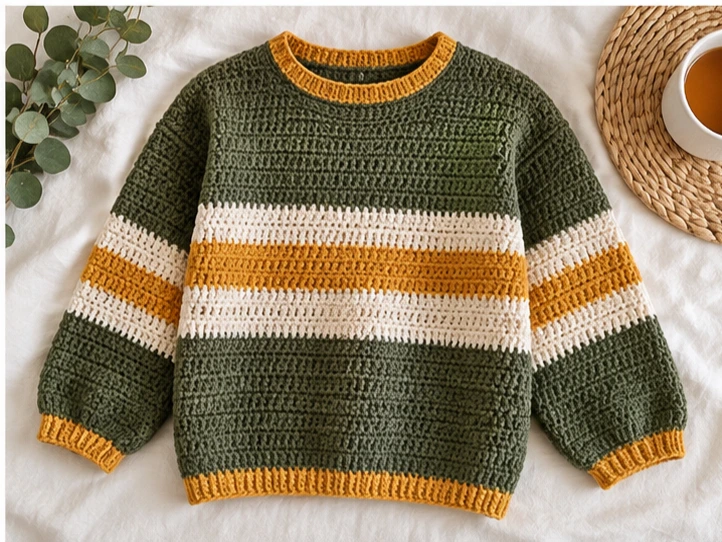
Bold stripes and blocks of contrasting color remain popular in handmade clothing. For a jersey, try two or three colors in wide bands across the chest, or a solid body with contrasting sleeves.
Granny Square and Motif Panels
Motif-based garments are a favorite in the crochet community. You could build the front or sleeves from joined squares, or add a single motif panel across the chest to combine traditional crochet with sporty shaping.
Natural-Fiber Yarns
Many crocheters are choosing cotton, linen blends, and other natural fibers for wearable pieces. A cotton jersey breathes well and holds its stitches, so it suits warmer weather and everyday wear.
Oversized and Boxy Fits
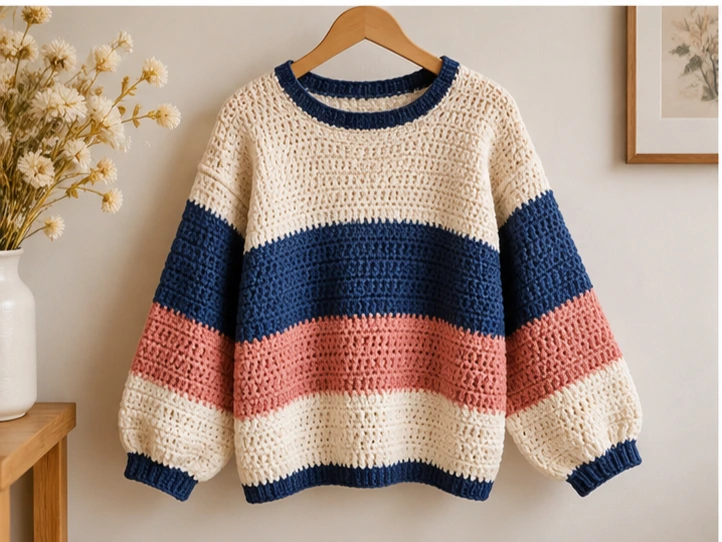
Relaxed silhouettes are a common look in handmade clothing. A boxy jersey is also forgiving to crochet, since a straight body needs less shaping. Choose a slightly larger size and adjust length to your taste.
Styling and Ideas
- Game-day top: Match your favorite team’s colors and add a number or initial.
- Layering piece: Wear it over a fitted long-sleeve shirt or under a denim jacket.
- Cropped version: Shorten the body for a more casual, summery look.
- Personalized gift: Use a friend’s favorite colors, birth year, or initials.
- Mini version: Scale down the concept as a decorative piece or a doll-sized outfit, adjusting stitch counts to suit.
- Accessories: Coordinate with a crochet headband, bag, or wristbands in the same palette.
FAQs
How many yards do I need for a crochet jersey?
It depends on your size, yarn weight, and stitch pattern. Adult-sized tops often need several hundred to more than a thousand yards. Check your pattern’s yardage, and buy a little extra if you’re customizing.
How long does it take to crochet a jersey?
Timing varies by stitch, yarn weight, and experience. Many crocheters spend a few weeks working on a wearable top in their spare time, and fine yarn or intricate stitches will take longer.
What is the easiest crochet clothing to make?
Simple rectangular pieces like basic tops, shrugs, and scarves are generally the easiest, since they need little shaping. A boxy, panel-based jersey is a good next step.
Is crochet still in fashion?
Handmade crochet clothing continues to appear in current styles, especially color-blocked, retro, and sustainable fashion. Because crochet is customizable, it fits many aesthetics.
Conclusion
Crochet jersey patterns let you combine sporty style with handmade character, and the process is manageable if you start with a swatch, choose a yarn with good drape, and build the piece panel by panel. Pick your colors, plan your fit, and enjoy making a jersey that’s yours.