Beef Ribs in Oven: How to Make Perfect Slow-Cooked Ribs at Home
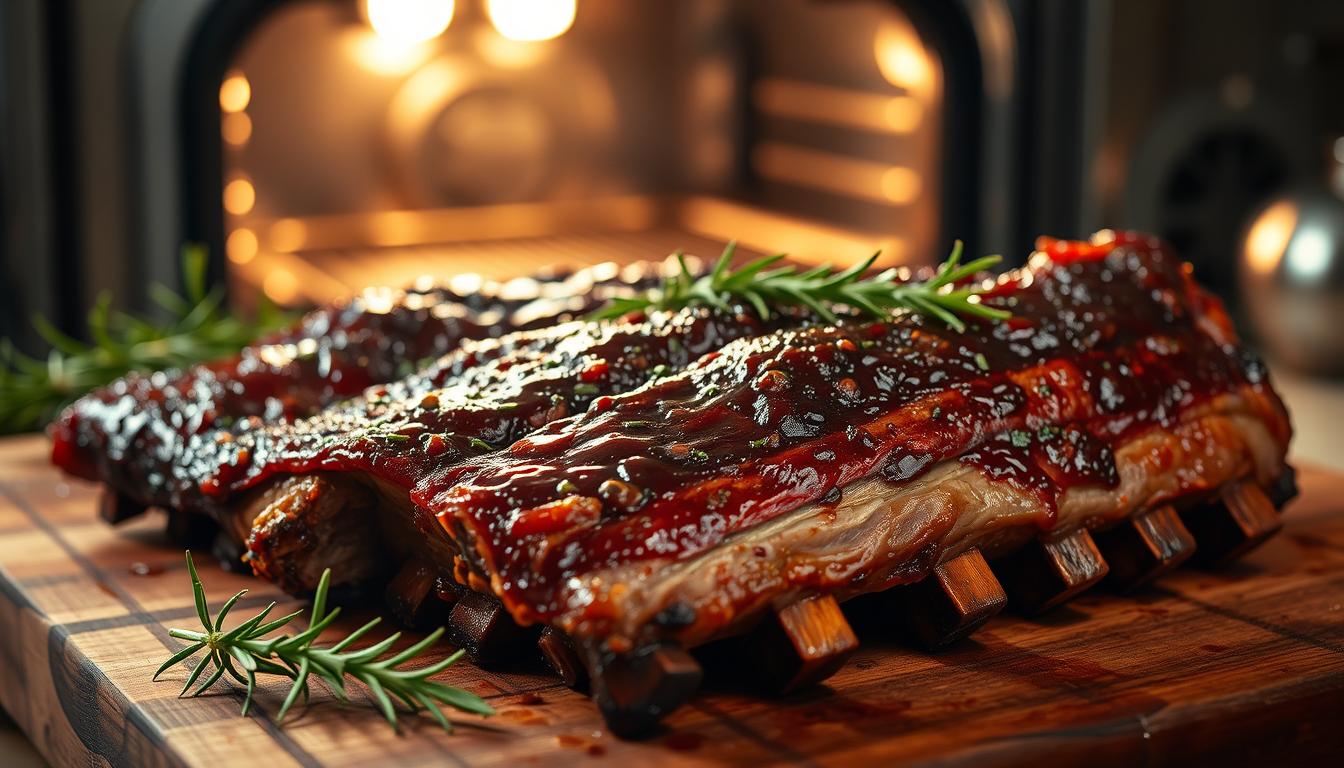
There’s something truly satisfying about taking Beef Ribs out of the oven when they’re perfectly done. They naturally bend under their own weight, releasing an irresistible aroma that feels like something straight from a high-end restaurant. The best part? You can achieve that same quality right at home—no special equipment required.
Mastering oven-cooked Beef Ribs is surprisingly straightforward. It doesn’t rely on complicated techniques, but rather on one simple principle: low and slow cooking transforms tough meat into something incredibly tender. Your oven becomes the key tool that gradually breaks everything down into soft, flavorful perfection.
Cooking Beef Ribs in the oven is also a low-effort method with high rewards. Most of the work is done by time and steady heat, not constant attention. As long as you maintain the right temperature and keep the meat moist, you’ll end up with a dish that feels special enough for weekends, gatherings, or any occasion worth celebrating.
Key Takeaways
- Oven-cooked Beef Ribs perform best at temperatures between 250–300°F
- Total cooking time usually ranges from 3.5 to 4 hours, depending on size and thickness
- Covering the ribs helps lock in moisture and creates a tender, juicy texture
- Low-temperature cooking slowly breaks down connective tissue for melt-in-your-mouth results
- Minimal active effort makes this method perfect for busy home cooking
- A good seasoning rub or marinade enhances flavor throughout the entire process
- Your oven ensures consistent, reliable results every time
Why Slow Cooking Beef Ribs in Oven Creates Perfect Tenderness
Slow-cooking Beef Ribs is not just about heat—it’s a transformation process. Tough, chewy meat becomes soft and silky through time, temperature, and patience. The real secret is resisting the urge to rush it.
The Science of Low and Slow Cooking
Beef Ribs contain a high amount of collagen, which is what makes the meat firm and chewy at first. When exposed to low heat over a long period, this collagen gradually melts into gelatin.
The ideal cooking range is around 250 to 300°F. At this temperature, the collagen breaks down slowly without drying out the meat. High heat, on the other hand, tightens proteins too quickly and results in toughness.
Low heat allows the structure of the meat to soften from within, turning a tough cut into something rich and tender.
How Time and Moisture Transform Tough Meat
Moisture plays a major role when cooking Beef Ribs in the oven. Covering the dish traps steam, which prevents the meat from drying out and helps the breakdown process.
Even a small amount of liquid is enough to create the right cooking environment. During the cooking process, several things happen:
- Steam surrounds the meat and helps retain moisture
- Collagen slowly dissolves into soft gelatin
- Gelatin spreads through the meat, improving tenderness
- Tough fibers gradually soften and become easy to bite
- Flavors become more concentrated as liquids reduce
Time is just as important as temperature. Without enough hours in the oven, collagen won’t fully transform. That’s why slow cooking is essential for truly tender results.
Choosing the Right Cut: Beef Short Ribs vs Beef Back Ribs
Selecting the right cut of Beef Ribs has a big impact on flavor, texture, and cooking time. The two most common options are beef back ribs and beef short ribs.
Beef back ribs come from the rib section closer to the prime rib area. They are leaner and cook a bit faster, usually becoming tender in about 3 hours.
Beef short ribs come from the chuck or plate area. They are thicker, meatier, and more marbled, which gives them a richer taste but requires longer cooking time.
Comparison Overview
| Feature | Beef Back Ribs | Beef Short Ribs |
|---|---|---|
| Source | Rib section | Chuck or plate |
| Meat Location | Between bones | On top of bones |
| Fat Content | Lean | Well-marbled |
| Cooking Time | ~3 hours | 3.5–4+ hours |
| Flavor | Mild to moderate | Rich and deep |
What to Consider
- Check the meat-to-bone ratio before buying
- Look for visible marbling for better flavor
- Estimate portion size (1 to 1.5 pounds per person)
- Decide between individual ribs or full racks
- Choose meat that looks fresh, firm, and bright in color
Both cuts work well for oven cooking Beef Ribs, but your choice depends on whether you prefer faster cooking or deeper, richer flavor.
Essential Ingredients for Oven Baked Beef Ribs
Great Beef Ribs start with simple but well-balanced ingredients. While the meat already has strong natural flavor, seasoning is what elevates it.
You can go in two directions: a dry rub for a flavorful crust or a marinade for deeper penetration into the meat.
Dry Rub vs Marinade Options
A dry rub creates a bold outer layer with minimal prep time. A marinade takes longer but delivers richer internal flavor.
Dry Rub Ingredients
- Garlic powder
- Onion powder
- Smoked paprika
- Sea salt
- Black pepper
Marinade Ingredients
- Jerk seasoning blend
- Olive or grape-seed oil
- Garlic cloves
- Shallot
- Kosher salt
Mix dry rub ingredients evenly and coat the ribs thoroughly. For a marinade, blend everything into a smooth mixture and massage it into the meat. Letting it sit overnight enhances the depth of flavor even more.
Why Salt Matters
Salt is more than seasoning when preparing Beef Ribs. It helps break down proteins, making the meat naturally more tender.
It also draws moisture to the surface and then reabsorbs it along with the spices, creating a self-seasoning effect that improves both taste and juiciness.
Avoid removing too much fat from the ribs. The fat slowly melts during cooking, naturally basting the meat and improving both tenderness and flavor.
Preparing Beef Ribs in Oven: Step-by-Step Process
Proper preparation is essential for perfect Beef Ribs in the oven. Start by rinsing the ribs gently to remove any residue from butchering. This ensures a clean base before seasoning.
After rinsing, pat the ribs completely dry using paper towels. This step is important because dry meat allows the seasoning to stick properly, helping form a flavorful crust during cooking.
Once dry, the ribs are ready for seasoning or marinating, setting the stage for slow, even cooking and tender results.
Then, line your baking dish with heavy-duty aluminum foil. This makes cleanup easy and helps seal in moisture. Place your ribs with the bone side down and the meaty side up.
Applying Your Seasonings and Setting Up for Cooking
Pour your marinade over the ribs and massage the seasonings thoroughly into the meat. Focus on the meaty side for the best flavor. Make sure to get the marinade into every part of your beef ribs in oven recipe.
For tender results, follow this wrapping method:
- Create a foil packet around the ribs first
- Cover your baking dish with 2 to 4 layers of heavy-duty foil
- Overlap and seal all edges tightly
- This traps steam and moisture essential for braising
If you marinated your ribs overnight, take them out 30 minutes before baking. This lets them warm up evenly for better oven cooking.
The Low and Slow Cooking Method: Temperature and Timing
Getting beef ribs in oven right is all about finding the right heat and time. The low and slow method turns tough meat into tender, juicy ribs. The temperature and how you cover the ribs are key to success.
Why 250-300 Degrees F is the Sweet Spot
The perfect temperature for cooking beef ribs in oven is between 250 to 300 degrees Fahrenheit. This heat breaks down collagen and melts fat without drying out the meat. Cooking at lower temperatures takes too long and doesn’t help much. Cooking at higher temperatures can burn the outside before the inside is tender.
Begin by cooking your beef ribs in oven at 250 degrees Fahrenheit for 3.5 to 4 hours. This slow start ensures even cooking and keeps the meat moist. If your ribs need more time, raise the oven to 300 degrees Fahrenheit for the last 1 to 1.5 hours. The size of your beef short rib racks might need an extra 30 minutes to 1 hour of cooking.
Covering Techniques to Trap Moisture and Steam
Keeping steam trapped is crucial when cooking beef ribs in oven. The right covering keeps the meat moist and tender. Use heavy-duty aluminum foil to seal your ribs tightly.
- Wrap individual ribs or the entire rack securely in foil
- Cover your baking dish with additional foil layers
- Overlap and seal all edges tightly
- Create a double-barrier to prevent steam escape
To see if your beef ribs in oven are done, lift a corner of the foil to release steam. Use a fork to test the meatiest rib. If it cuts through easily, your ribs are ready. If not, reseal and cook some more. The fork test is better than the timer since rib sizes vary.
Common Mistakes to Avoid When Cooking Tender Beef Ribs
To get fall off the bone beef ribs, you need patience and focus. Many home cooks make mistakes that make their ribs tough and dry. Knowing these common errors helps you cook better ribs every time.
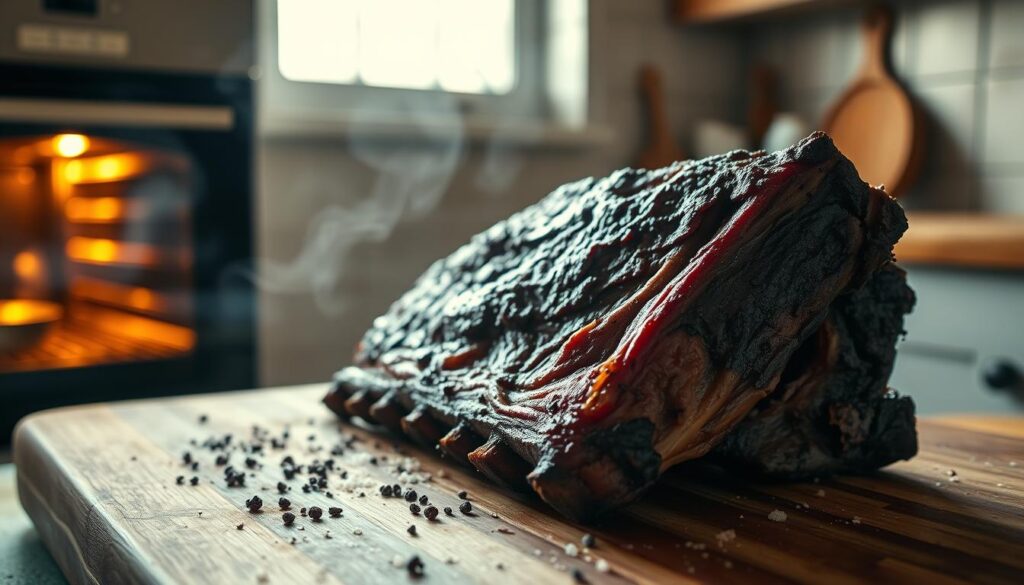
The biggest mistake is rushing the cooking process. You might think three hours is enough, but bigger cuts need four to five hours. This time is needed for the meat to become tender. Don’t try to cook it faster by raising the oven temperature.
Another big mistake is not using enough liquid in the baking dish. Even a little water, broth, or wine helps create steam for braising. Without it, you’re just roasting, leading to dry meat. Use about a quarter to half a cup of liquid in the pan.
Opening the oven door too often is also a problem. Each time you do, moisture escapes, stopping the braising. Trust the cooking process. Wait until you’re close to the minimum cooking time before checking.
| Common Mistake | What Happens | How to Fix It |
|---|---|---|
| Cooking too fast | Tough, chewy meat | Cook at 250-300°F for 4-5 hours |
| Not using enough liquid | Dry ribs that don’t braise | Add 1/4 to 1/2 cup liquid to pan |
| Uncovering ribs too early | Moisture escapes, braising stops | Keep ribs covered until near completion |
| Trimming too much fat | Loss of flavor and moisture | Leave a thin fat cap on meat |
| Not seasoning enough | Bland final dish | Use generous amounts of salt in rub |
Watch out for these additional mistakes:
- Removing too much surface fat before cooking
- Not letting marinated ribs reach room temperature
- Using insufficient seasoning in your dry rub
- Cooking with the pan uncovered
By avoiding these errors, you can achieve tender beef ribs. The key is to give your meat enough time, moisture, and heat to become tender.
Finishing Touches: BBQ Sauce and Caramelization Under the Broiler
Your bbq beef ribs oven recipe is almost done. After slow cooking for hours, your ribs are tender and ready. This final step adds flavor and a caramelized exterior, making your dish stand out.
After slow cooking, take the ribs out of the oven. Throw away any liquid in the pan. This keeps your ribs from getting soggy. Now, it’s time to add that BBQ flavor.
Applying Your BBQ Sauce
Brush your favorite BBQ sauce on the meaty side of the ribs. You’ll need about ½ cup of barbecue sauce. Make sure to cover every part evenly.
Put the sauced ribs under the broiler for 2 to 4 minutes. Keep an eye on them. The heat will make the sauce sticky and slightly charred. Don’t leave the oven, as burnt ribs can happen fast.
How to Achieve Fall Off the Bone Texture
For fall-off-the-bone ribs, the meat should pull away easily. Your slow-cooked method makes this happen.
- Meat pulls away easily with a fork
- Bones slide out without tearing the meat
- Texture stays moist, never dry
BBQ sauce is optional, but it adds flavor. It brings the outdoor BBQ taste to your kitchen.
Serving Suggestions and Storage Tips for Braised Beef Ribs
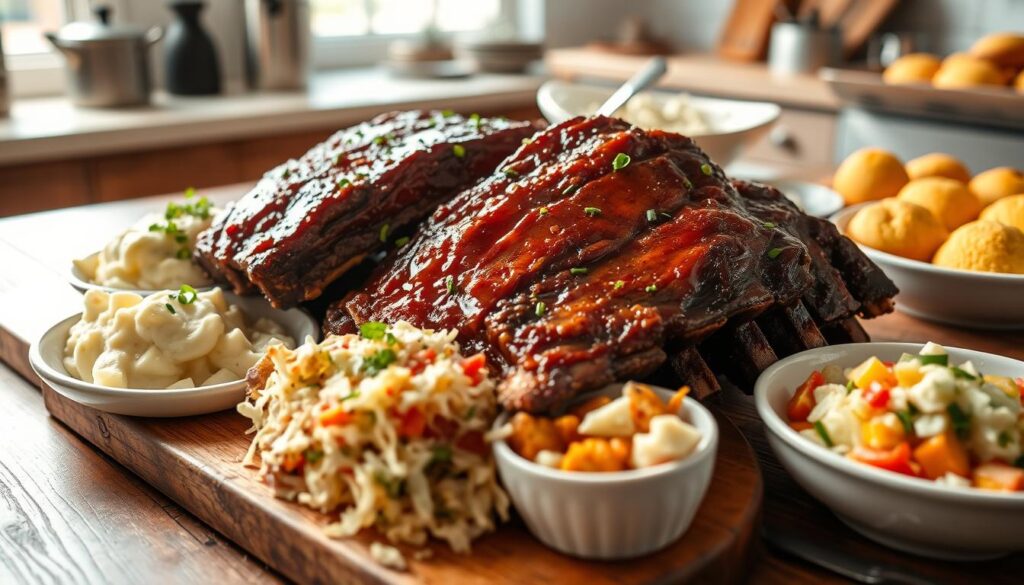
Your oven baked beef ribs need the right sides to shine. The meat’s rich flavors pair well with sides that complement or balance it. The right sides can make your meal even better.
Here are some classic sides that go great with your ribs:
- Garlic-herb mashed potatoes soak up juices and sauce nicely
- A crisp green salad with vinaigrette cuts through the meat’s richness
- Sautéed green beans add a healthy, tender-crisp touch
- Southern fried corn brings creaminess and sweetness
- Cornbread, coleslaw, or roasted veggies complete the meal
Leftover ribs are easy to store for later. Cool them down, then put them in airtight containers or freezer bags. This keeps them fresh for a long time.
Reheating ribs right keeps them moist. Let them come to room temperature first. Then, reheat them at 375 degrees, covered, until warm. This method helps them stay juicy.
| Storage Method | Duration | Best Quality |
|---|---|---|
| Refrigerator | Up to 3 days | 2-3 days |
| Freezer | Up to 3 months | 1-2 months |
Longer cooking makes ribs more tender. But, some like them to fall apart, while others prefer them to stay together.
Conclusion
Preparing Beef Ribs in the oven is one of those simple cooking methods that delivers impressive results without much effort. With just a handful of basic ingredients and a few straightforward steps, you can set everything up and let the oven do most of the work for you.
The only real challenge is patience. Beef Ribs typically need around three to four hours to become properly tender. That long, slow cooking time is exactly what transforms the meat into something soft, juicy, and full of flavor. It’s a classic trade-off—time instead of effort—which makes it ideal for relaxed weekends or busy days when you don’t want to stay stuck in the kitchen.
To know when your Beef Ribs are ready, the fork test is your best guide. Simply slide a fork into the meat—if it goes through easily and the meat starts to pull apart without resistance, they’re done. No fancy tools or professional skills needed.
In the end, the wait pays off completely. You get tender, flavorful Beef Ribs that taste like they came from a restaurant, and you gain the confidence of mastering a dish that always impresses family and guests alike.
FAQ
How long does it take to cook beef ribs in the oven using the slow-roasted method?
Beef Ribs usually take about 3.5 to 4 hours at 250°F to become tender. Larger or thicker cuts may need an extra 30 minutes to 1 hour. Some cooks also increase the temperature to 300°F during the last 1 to 1.5 hours to finish the process. The most reliable indicator is tenderness—always check with a fork rather than relying only on time.
What’s the difference between beef short ribs and beef back ribs for oven cooking?
Beef short ribs are meatier and richer in fat, which makes them more flavorful but slower to cook, usually around 4 to 4.5 hours. Beef back ribs, on the other hand, are leaner and cook faster, typically becoming tender in about 3 hours. Both work well for slow oven cooking, depending on your preference.
Why is the 250–300°F temperature range ideal for cooking beef ribs in the oven?
This temperature range allows fat to slowly melt and collagen to break down without drying out the meat. The gentle heat keeps Beef Ribs moist while gradually turning them tender and flavorful.
What role does salt play in preparing tender beef ribs?
Salt helps break down proteins in the meat, which improves tenderness and enhances flavor. It also helps retain moisture, especially when used in a dry rub or marinade, making Beef Ribs juicier and more flavorful.
How much liquid should I add to the pan when braising beef ribs in the oven?
Only a small amount is needed—about 1/4 to 1/2 cup of liquid such as water, broth, or wine. This creates steam inside the pan, helping keep Beef Ribs moist throughout the cooking process.
Why is the double-wrapping foil technique important for oven baked beef ribs?
Double wrapping helps trap steam inside the cooking environment. This prevents moisture loss and ensures Beef Ribs stay tender, juicy, and evenly cooked from start to finish.
What’s the most common mistake people make when cooking beef ribs in the oven?
The most common mistake is rushing the process. Beef Ribs need several hours of slow cooking to properly break down connective tissue. Cutting the time short often results in tough meat.
How do I know when my beef ribs in oven are done cooking?
Use the fork test. If the meat easily pulls apart or slides off the bone with little resistance, the Beef Ribs are ready. If not, they need more time.
Should I trim the fat from my beef short ribs oven recipe before cooking?
No, you should keep most of the fat. It renders slowly during cooking and naturally bastes the meat, making Beef Ribs more tender and flavorful. Only remove excess thick fat if necessary.
Can I marinate my beef ribs overnight before cooking?
Yes, marinating overnight enhances flavor significantly. Before cooking, allow the Beef Ribs to come to room temperature for even cooking.
Is BBQ sauce necessary for achieving tender beef ribs recipe results?
BBQ sauce is optional. Beef Ribs are already tender when cooked correctly, but adding sauce and caramelizing it can enhance flavor and texture.
How should I store leftover braised beef ribs?
Let the ribs cool completely, then store them in airtight containers or freezer bags. They last up to 3 days in the fridge or up to 3 months in the freezer. Reheat covered at around 375°F to preserve moisture.
What are the best side dishes to serve with oven baked beef ribs?
Classic sides like mashed potatoes, green beans, fresh salad, or cornbread pair perfectly with Beef Ribs, balancing their rich and hearty flavor.
Should I allow marinated beef ribs to come to room temperature before cooking?
Yes, letting Beef Ribs sit at room temperature for about 30 minutes helps them cook more evenly and improves overall texture.
Can I uncover my ribs during the cooking process to check on them?
It’s best not to open the foil too often. Doing so releases steam and can dry out Beef Ribs. Only check them after the main cooking time has passed.
How much should I season beef ribs when preparing a dry rub?
Season generously to ensure full flavor coverage. A mix of salt, garlic powder, onion powder, smoked paprika, and black pepper works well. Massage the rub thoroughly into the surface of Beef Ribs.
What happens if I cook beef ribs for longer than the recommended time?
Overcooking can make Beef Ribs too soft and slightly mushy. They should be tender but still hold their shape for the best texture.
Do I need to rinse my beef ribs before cooking them in the oven?
Yes, a quick rinse helps remove bone fragments or residue. After rinsing, dry them completely so the seasoning sticks properly to the Beef Ribs.
What’s the ideal portion size for serving beef ribs?
Plan for about 1 to 1.5 pounds per person, depending on appetite. This ensures everyone gets a satisfying serving of Beef Ribs.
Can I use the oven baked beef ribs method for other cuts of meat?
Yes, the same low-and-slow approach works for other tough cuts of beef, but cooking times may vary depending on the cut.