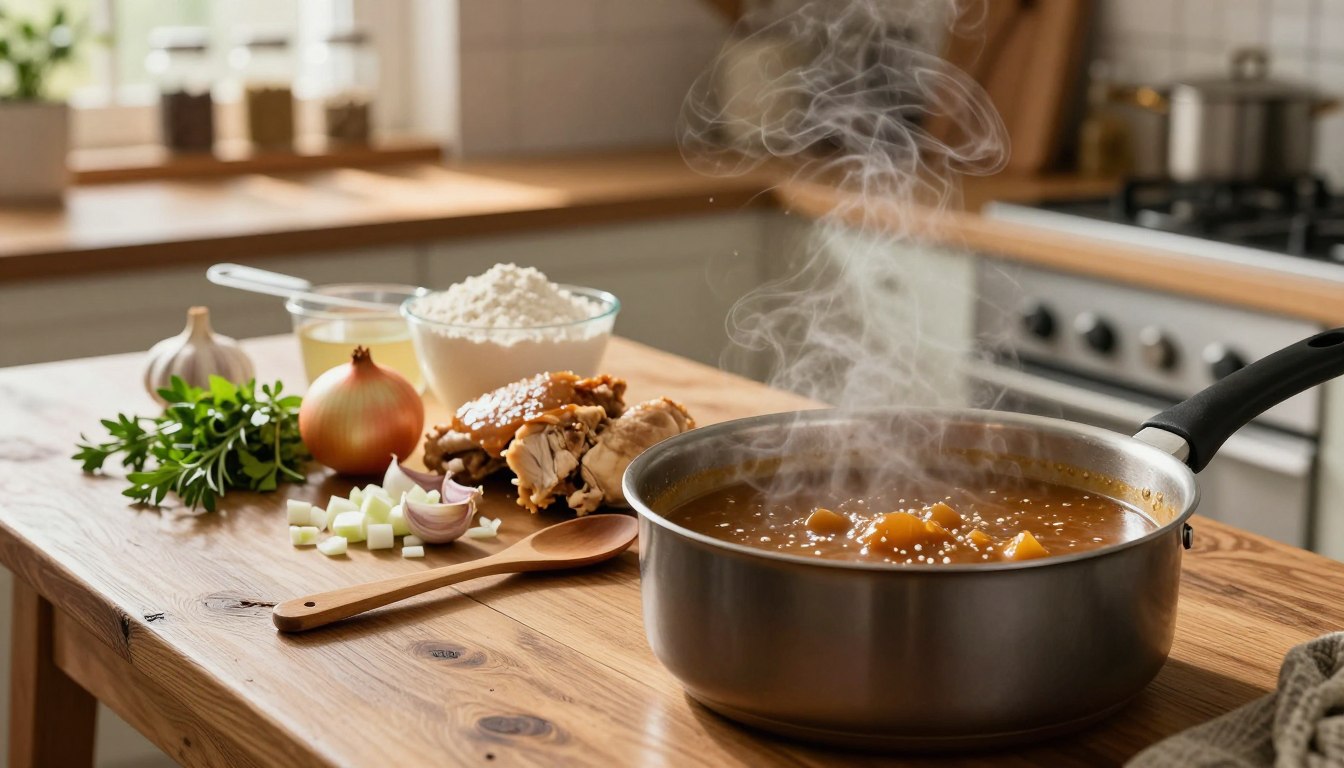
Chicken Gravy Recipe: A Simple Way to Add Comfort and Flavor to Any Meal
There’s something incredibly satisfying about a rich, homemade gravy served alongside chicken. It has a way of turning an ordinary meal into something special, bringing warmth, flavor, and a sense of comfort to the table. For many people, it evokes memories of family gatherings, holiday feasts, and home-cooked dinners shared with loved ones.
The best part is that making a Chicken Gravy Recipe from scratch is much easier than most people think. With a few pantry staples and minimal preparation time, you can create a smooth, flavorful gravy that pairs perfectly with a wide variety of dishes. Whether you’re preparing a festive holiday meal or a simple weeknight dinner, homemade gravy adds a delicious finishing touch.
Why Homemade Chicken Gravy Is Worth Making
A well-made gravy does more than add moisture to a dish—it enhances flavor and brings all the elements of a meal together. Its rich texture and savory taste complement roasted, baked, or grilled chicken beautifully, making every bite more enjoyable.
Unlike store-bought options, homemade gravy allows you to control the ingredients and adjust the flavor to suit your preferences. The result is a fresher, more authentic taste that can instantly elevate your favorite recipes.
The Role of Chicken Gravy in Traditional Meals
Chicken gravy has long been a cherished part of family meals and holiday celebrations. In many homes, it’s considered an essential addition to the table, helping create the comforting, satisfying flavors people look forward to during special occasions.
Its smooth consistency and deep savory notes make it the perfect companion for chicken, mashed potatoes, stuffing, biscuits, and many other classic side dishes. More than just a sauce, it often becomes part of the memories shared around the dinner table.
What You’ll Learn in This Chicken Gravy Recipe Guide
This Chicken Gravy Recipe will show you how to prepare a delicious homemade gravy quickly and easily. You’ll discover the key ingredients that contribute to its rich flavor, learn simple techniques for achieving the perfect texture, and see how versatile this classic sauce can be.
Even if you don’t have chicken drippings available, you can still make a flavorful gravy that tastes homemade and comforting.
Key Takeaways
- Homemade chicken gravy adds rich flavor and depth to everyday meals.
- A Chicken Gravy Recipe is quick and simple to prepare from scratch.
- Perfect for both family dinners and special occasions.
- Understanding the right ingredients helps create a smoother, more flavorful gravy.
- Delicious chicken gravy can be made with or without drippings.
Once you experience the rich taste and comforting texture of homemade gravy, it may become a regular part of your meal planning. Simple to make and incredibly versatile, this classic sauce has a way of making every dish feel a little more special.
Key Ingredients for Chicken Gravy
Making a rich chicken gravy starts with knowing the key ingredients. Each part is important for the final sauce.
Butter is the base of your gravy. It mixes with flour to create a roux, thickening the sauce. Flour adds thickness and texture. Chicken broth brings out the flavor, making it savory and tasty.
Seasonings can also make your gravy better. Salt, pepper, and herbs like thyme or rosemary are common. They let you adjust the flavor to your taste, using what you have at home.
Here’s a quick overview of the essential ingredients for gravy:
| Ingredient | Function |
|---|---|
| Butter | Forms the roux for thickening |
| Flour | Thickens the gravy |
| Chicken Broth | Adds flavor |
| Salt | Enhances taste |
| Pepper | Adds spice |
| Dried Herbs | Boosts flavor complexity |
Choosing the right ingredients for your gravy is key. It makes a delicious chicken gravy that can make any meal better.
How to Make Chicken Gravy Without Drippings
Making chicken gravy doesn’t need drippings. You can make a rich, tasty sauce with just four ingredients: butter, flour, chicken broth, and seasonings. This method is quick and easy, perfect for any meal.
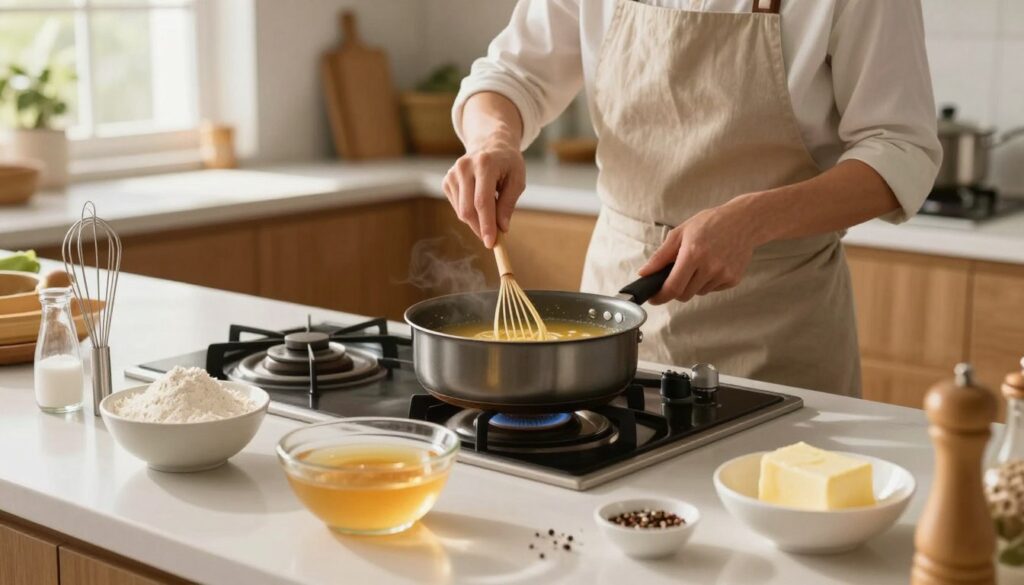
Begin by melting butter in a saucepan over medium heat. Then, mix in an equal amount of flour to make a roux. Cook for a minute, avoiding browning. Next, add chicken broth slowly while whisking to avoid lumps. Season with salt, pepper, and herbs for extra flavor.
This method is great for busy nights. You don’t need leftover juices from roasted chicken. It’s a simple way to make your dinners better without much effort.
Step-by-Step Guide to Making Chicken Gravy
Making chicken gravy is easy with a clear guide. A step-by-step chicken gravy guide helps beginners get great results. Begin by making a roux, mixing equal parts butter and flour in a pan over medium heat. Stir constantly to avoid burning, aiming for a light golden color.
When your roux is ready, slowly add chicken broth while whisking hard. This step is key for a smooth gravy. Add the broth bit by bit, letting it mix well before adding more. If it’s too thin, cook it longer, stirring often.
For a richer taste, add seasonings like salt, pepper, and garlic powder. This makes your gravy even better. Following these steps will help you make a delicious gravy. Serve it over mashed potatoes, rice, or with roasted chicken for a tasty meal.
How to Make Chicken Gravy Using Drippings
Making the best chicken gravy with drippings adds a special touch to your meals. Start by collecting the drippings from the roasting pan after your chicken is cooked. It’s important to separate the fat from the juices for the right taste and texture.
Let the drippings settle in a container. The fat will rise to the top, making it easy to skim off. Use about 1/4 cup of this fat as the base for your gravy. In a saucepan, mix the fat with an equal amount of flour to make a roux. Whisk constantly to prevent lumps and get a golden color.
Gradually add your saved chicken juices and any extra broth to get the right consistency. Season with salt, pepper, and herbs to boost the flavor. You’ll end up with a thick, savory gravy that goes perfectly with your chicken.
Common Mistakes to Avoid
Many people struggle with making chicken gravy. Knowing the common mistakes can help you make a smooth, tasty gravy. One big mistake is not cooking the roux long enough. If the flour isn’t cooked well, the gravy might taste raw.
Another mistake is adding cold liquid to hot fat. This can cause lumps, ruining the gravy’s smoothness. Make sure your liquid is room temperature to prevent this. Constantly whisking as you mix is key. It helps avoid lumps and makes the gravy silky.
Don’t over-season your gravy. It’s easy to add too much flavor, but remember, the drippings or broth already have seasoning. Taste as you go and adjust slowly to get the flavor just right.
By avoiding these common mistakes, you’ll become more confident in your cooking. With practice, you’ll make gravy that’s always a hit.
Additional Flavor Enhancements
To make your chicken gravy even better, try adding some easy flavor enhancements for gravy. Fresh herbs, minced garlic, or a bit of cream can really boost the taste. Fresh thyme or rosemary give a nice smell, while garlic adds a savory flavor.
Adding sautéed mushrooms or onions can give your gravy a fancy touch. These ingredients add richness and texture, making your gravy a perfect match for many dishes. For a special touch, a little white wine can add elegance.
Playing with these ingredients lets you make your chicken gravy your own. Gravy is very versatile, so feel free to get creative. Mix and match these flavor boosters to suit your taste.
| Flavor Enhancements | Flavor Profile | Best Used With |
|---|---|---|
| Fresh Herbs | Aromatic and fresh | Roasted chicken, mashed potatoes |
| Garlic | Rich and savory | Pasta dishes, savory breads |
| Cream | Rich and luscious | Steak, vegetable dishes |
| White Wine | Slightly tangy and sophisticated | Poultry, seafood |
| Sautéed Mushrooms | Earthy and meaty | Beef dishes, risottos |
| Sautéed Onions | Sweet and caramelized | Sandwiches, burgers |

Storage Tips for Leftover Gravy
Properly storing chicken gravy keeps it fresh and flavorful for later. First, let the gravy cool down to room temperature. Then, move it to the fridge. This step is key to stopping bacteria growth, ensuring your food stays safe.
Choose airtight containers for your gravy. These containers keep the gravy’s quality high and prevent it from picking up fridge odors. Here are some tips for fridge storage:
- Store gravy in a clean, airtight container.
- Label the container with the date it was made.
- Consume refrigerated gravy within 3 to 4 days for the best taste.
If you have leftover gravy, freezing is a great option. Freezing extends its life and makes reheating easy. Here’s how to freeze it right:
- Divide the gravy into smaller containers. This makes thawing and reheating easier.
- Leave some space at the top of each container. Freezing causes the gravy to expand.
- Mark your containers with the date and what’s inside for easy identification later.
Frozen chicken gravy can last up to 4 to 6 months. To use, thaw it in the fridge overnight. Then, reheat it on the stovetop over low heat, stirring often. These tips help you save food and keep your gravy tasty for your next meal.
| Storage Method | Duration | Best Practices |
|---|---|---|
| Refrigerator | 3-4 days | Airtight containers; cool before storing |
| Freezer | 4-6 months | Portion out; leave space for expansion |
Serving Suggestions for Chicken Gravy
One of the best things about a Chicken Gravy Recipe is its versatility. This rich and flavorful sauce can elevate a wide variety of dishes, turning simple meals into comforting favorites.
Mashed potatoes are a classic pairing. The smooth, creamy gravy blends beautifully with fluffy potatoes, creating a warm and satisfying side dish that never goes out of style.
Rice is another excellent option. As the gravy seeps into the grains, it adds depth and flavor to every bite. If you’re looking for a lighter accompaniment, spoon the gravy over steamed vegetables. It enhances their natural taste while adding a delicious savory element.
Freshly baked biscuits and chicken gravy are a timeless combination, especially in Southern-style cooking. The soft, buttery biscuits soak up the rich sauce, making every bite incredibly satisfying.
For a more substantial meal, serve the gravy over roasted or grilled meats such as beef or pork. The savory flavors complement the meat perfectly and help create a tender, juicy finish.
Chicken gravy isn’t limited to lunch or dinner. It can also be a great addition to breakfast dishes. Try drizzling it over scrambled eggs, breakfast sandwiches, or even breakfast potatoes for an extra layer of flavor.
Experimenting with different serving ideas can help you discover new ways to enjoy your favorite Chicken Gravy Recipe and make every meal feel a little more special.
Conclusion
Preparing a homemade Chicken Gravy Recipe is one of the simplest ways to elevate an everyday meal. Whether you’re using flavorful drippings from a roasted chicken or opting for a quick version made from pantry staples, this classic sauce adds warmth, richness, and comfort to your table.
What makes a great Chicken Gravy Recipe stand out is the combination of quality ingredients and the right technique. Don’t be afraid to taste as you go and adjust the seasoning to suit your preferences. Fresh herbs, aromatic spices, or a touch of your favorite seasoning blend can add extra depth and character, making the gravy uniquely yours.
Now it’s your turn to bring this delicious Chicken Gravy Recipe into your kitchen. We’d love to hear how it turned out and what personal touches you added along the way. Share your favorite variations, tips, or serving ideas. Homemade gravy is a timeless addition to any meal and a wonderful way to impress family and friends with a comforting, homemade touch.
Frequently Asked Questions About Chicken Gravy Recipe
What ingredients do I need for a homemade Chicken Gravy Recipe?
A classic Chicken Gravy Recipe starts with a few simple pantry staples: butter, flour, and chicken broth. To enhance the flavor, you can season it with salt, black pepper, and your favorite herbs.
What’s the fastest way to make chicken gravy?
If you’re short on time, you can prepare quick chicken gravy using butter, flour, chicken broth, and basic seasonings. Begin by cooking the butter and flour together to create a roux, then gradually whisk in the broth until the gravy becomes smooth and creamy.
How can I make sure my gravy stays smooth and lump-free?
The key to silky gravy is continuous whisking. As you slowly pour the broth into the roux, keep whisking to ensure everything blends evenly. This simple step helps prevent lumps from forming.
Can roasted chicken drippings be used in a Chicken Gravy Recipe?
Absolutely. Roasted chicken drippings add incredible depth and richness to your gravy. Simply separate any excess fat and incorporate the flavorful drippings into the sauce for an even more delicious result.
What mistakes should I avoid when making chicken gravy?
Several common mistakes can affect the texture and flavor of your gravy. Avoid undercooking the roux, pouring cold liquid directly into very hot fat, or neglecting to whisk regularly. These issues can lead to a grainy or lumpy consistency.
How can I add more flavor to my gravy?
There are many ways to elevate a Chicken Gravy Recipe. Fresh herbs, minced garlic, a splash of cream, or a little white wine can add extra depth. Sautéed mushrooms and caramelized onions are also excellent additions for a richer, more gourmet taste.
What is the best way to store leftover chicken gravy?
Allow the gravy to cool completely before transferring it to an airtight container. It will keep well in the refrigerator for up to 4 days. For longer storage, freeze it for up to 3 months and thaw it when needed.
What foods pair best with chicken gravy?
Chicken gravy is incredibly versatile and complements a variety of dishes. It’s especially delicious served over mashed potatoes, steamed rice, warm biscuits, or roasted meats such as beef and pork. Feel free to experiment with different combinations to create comforting and satisfying meals.