Tuna Casserole Recipe: Hearty, Flavorful, and Easy
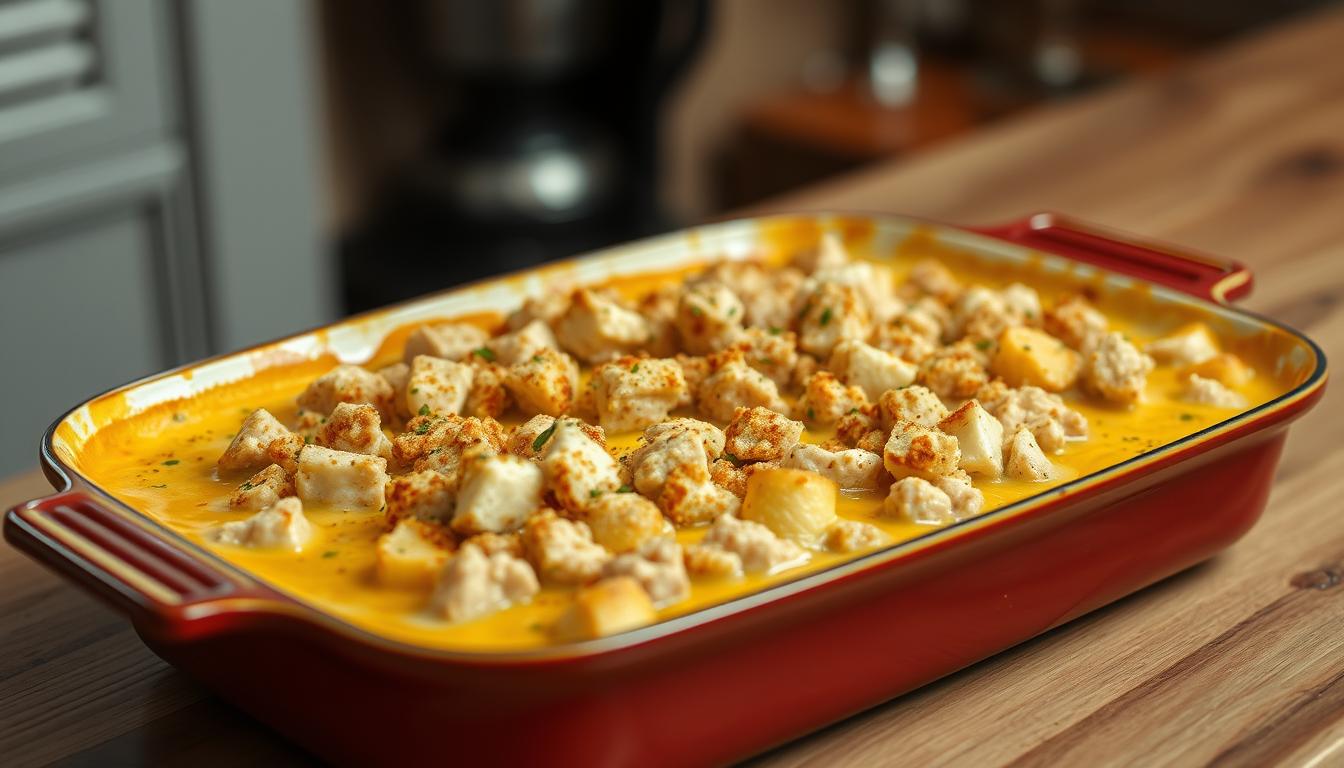
Looking for a comforting, satisfying meal that’s easy to prepare? This easy tuna casserole is a perfect solution for a weeknight dinner. It’s a classic dish that combines the richness of tuna with the comfort of a warm, cheesy casserole.
This tuna casserole recipe is not only delicious but also straightforward to make. With just a few ingredients and simple steps, you’ll have a hearty meal ready in no time. It’s ideal for cooks of all skill levels, from beginners to seasoned chefs.
Key Takeaways
- A simple and satisfying meal solution
- Combines tuna with a cheesy, comforting casserole
- Easy to prepare with minimal ingredients
- Suitable for cooks of all skill levels
- Perfect for a weeknight dinner
What Makes a Great Tuna Casserole?
Tuna casserole, a classic comfort food, becomes truly exceptional with the right combination of ingredients and techniques. It’s a dish that has been a staple in many households for generations, and its enduring popularity can be attributed to its simplicity, flavor, and versatility.
Key Ingredients for Flavor
The foundation of a great tuna casserole lies in its key ingredients. Canned tuna, pasta, and a creamy sauce are the basics, but the quality of these components can significantly impact the overall flavor. Using high-quality canned tuna in water or oil, and selecting the right type of pasta, such as macaroni or egg noodles, can make a difference. Additionally, incorporating aromatics like onions and garlic, and using a mix of cheeses, can enhance the flavor profile.
The Perfect Creamy Texture
Achieving the perfect creamy texture is crucial for a great tuna casserole. This can be accomplished by using a combination of canned cream of mushroom soup, sour cream, or a homemade white sauce made with butter, flour, and milk. The key is to balance the creaminess without making the dish too soggy or dry. Adding a topping of crispy breadcrumbs or crushed crackers can also provide a pleasant textural contrast.
Versatile Variations
One of the joys of tuna casserole is its versatility. It can be adapted to suit various tastes and dietary needs. For example, adding different vegetables like peas, carrots, or bell peppers can enhance the nutritional value and flavor. For those looking for a gluten-free option, using gluten-free pasta and soup can make the dish more inclusive. Experimenting with various cheeses, such as cheddar, mozzarella, or parmesan, can also offer different flavor profiles.
Essential Kitchen Tools for This Recipe
Having the proper kitchen tools on hand makes creating a homemade tuna casserole a breeze. The right equipment not only simplifies the preparation process but also ensures that your casserole turns out perfectly cooked and delicious.
Baking Dishes
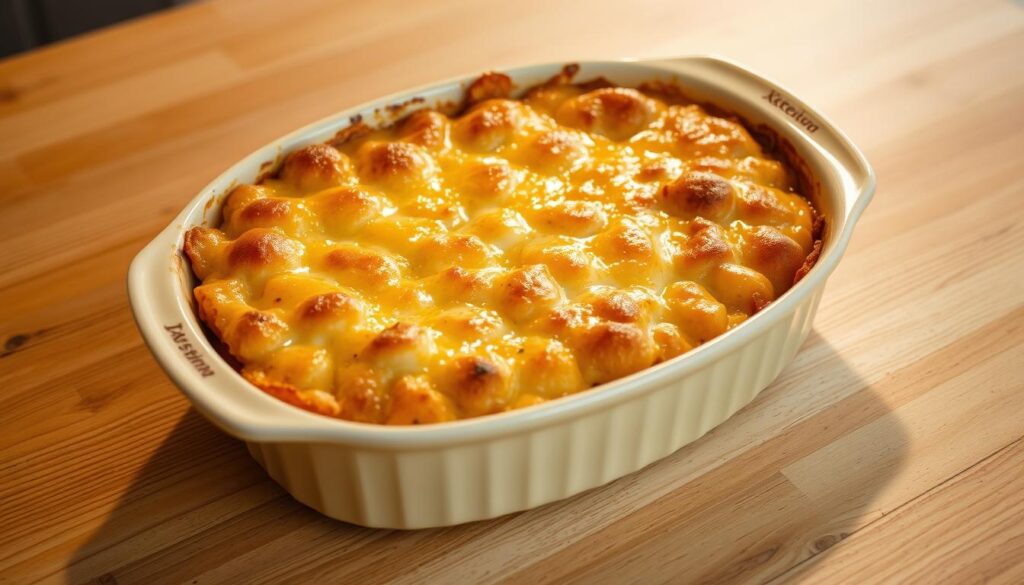
The choice of baking dish is crucial for a well-cooked tuna casserole. A 9×13 inch baking dish is ideal for this recipe, as it allows for even cooking and browning of the top. You can choose between glass, ceramic, or metal dishes, each with its own benefits. Glass and ceramic dishes distribute heat evenly, while metal dishes can help crisp the top layer.
Mixing Bowls
Mixing bowls are essential for combining the various ingredients of your tuna casserole. Stainless steel or glass bowls are recommended because they are easy to clean and don’t retain odors or flavors. Having multiple bowls of different sizes can be helpful for organizing your ingredients before mixing.
Measuring Cups and Spoons
Accurate measurements are key to a successful tuna casserole. Using measuring cups and spoons ensures that you add the right amount of each ingredient, maintaining the balance of flavors and textures. Digital measuring tools can also be very helpful for precision.
By having these essential kitchen tools, you’ll be well-prepared to make a delicious homemade tuna casserole with ease.
Step-by-Step Tuna Casserole Instructions
Making a creamy tuna casserole is easier than you think with our step-by-step guide. This comforting dish is a staple for a reason, and with these instructions, you’ll be able to create a delicious meal that’s sure to please everyone.
Preparing Ingredients
The first step in making a great tuna noodle casserole is preparing your ingredients. Start by cooking your pasta according to the package instructions until it’s al dente. Drain and set aside. Next, drain the canned tuna and mix it with some chopped onions, peas, and your choice of seasonings. In a separate saucepan, heat a can of cream of mushroom soup with some milk or cream to create a rich and creamy sauce.
Assembling the Casserole
To assemble the casserole, start by combining the cooked pasta, tuna mixture, and creamy sauce in a large mixing bowl. Mix everything together until the pasta is well coated. Then, transfer the mixture to a baking dish and top it with additional ingredients such as shredded cheese or crushed crackers for extra flavor and texture.
Using a generous amount of cheese can enhance the flavor and create a golden-brown crust on top. Feel free to get creative with your toppings to suit your taste preferences.
Baking to Perfection
Finally, bake your tuna casserole in a preheated oven at 350°F (175°C) for about 25-30 minutes, or until it’s hot, bubbly, and the top is nicely browned. Keep an eye on it to ensure the top doesn’t get too brown. Once done, remove it from the oven and let it cool for a few minutes before serving.
By following these steps, you’ll be able to create a delicious and satisfying tuna casserole that’s perfect for any occasion.
Health Benefits of Tuna Casserole
Tuna casserole is not only a comforting meal but also a powerhouse of nutrition. This beloved dish combines the goodness of tuna, pasta, and various vegetables, making it a well-rounded meal that can cater to different dietary needs.
Packed with Protein
One of the key health benefits of tuna casserole is its high protein content, primarily from the tuna. Protein is essential for building and repairing muscles, making it a crucial nutrient for individuals of all ages. A serving of tuna casserole can provide a significant portion of your daily protein needs.
Omega-3 Fatty Acids
Tuna is also an excellent source of omega-3 fatty acids, which are vital for heart health and brain function. These healthy fats can help reduce inflammation, improve cardiovascular health, and support cognitive function. Including tuna casserole in your diet can be a delicious way to boost your omega-3 intake.
Nutrient-Rich Vegetables
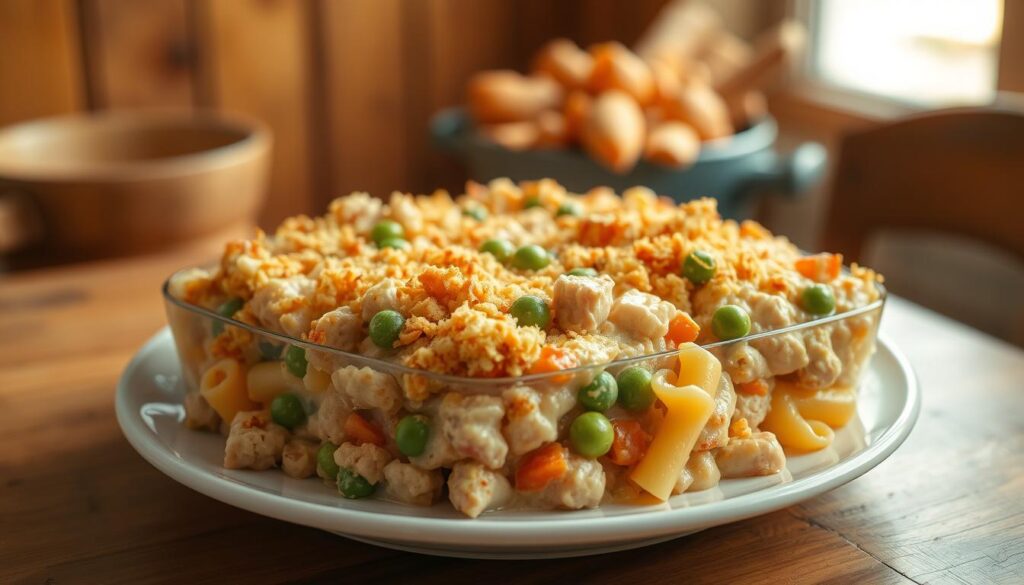
When prepared with a variety of vegetables, tuna casserole becomes a nutrient-dense meal. Vegetables such as peas, carrots, and onions add fiber, vitamins, and minerals, enhancing the overall nutritional profile of the dish. The fiber content can aid in digestion, while the vitamins and minerals support various bodily functions.
To maximize the health benefits, consider adding other nutrient-rich vegetables like spinach or bell peppers to your tuna casserole. Here’s a list of vegetables you can include:
- Spinach
- Bell peppers
- Mushrooms
- Broccoli
Incorporating a variety of colorful vegetables not only enhances the flavor but also increases the nutritional value of your tuna casserole.
By making a few mindful choices in your ingredients, you can enjoy a nutritious and satisfying meal that supports your overall health and well-being.
Popular Add-Ins for Tuna Casserole
Discover how to take your tuna casserole to the next level with popular add-ins that can enhance flavor, texture, and nutritional value. Whether you’re making a quick tuna casserole or a simple tuna casserole, these suggestions will help you customize the dish to your liking.
Vegetables to Enhance Flavor
Adding various vegetables can significantly improve the flavor and nutritional profile of your tuna casserole. Consider incorporating:
- Peas: Adds a burst of sweetness and color.
- Diced Bell Peppers: Contributes a crunchy texture and slightly sweet flavor.
- Sliced Mushrooms: Brings an earthy flavor and meaty texture.
- Chopped Onions: Adds a depth of flavor and a bit of crunch.
These vegetables not only enhance the flavor but also increase the nutrient density of your casserole.
Cheese Varieties to Try
Cheese is a crucial component of a great tuna casserole. Experiment with different cheese varieties to find your perfect blend:
| Cheese Type | Flavor Profile | Texture |
|---|---|---|
| Cheddar | Sharp, rich | Creamy when melted |
| Mozzarella | Mild, milky | Stretchy, gooey |
| Parmesan | Nutty, salty | Crumbly |
Mixing different cheeses can create a rich and complex flavor profile in your simple tuna casserole.
Crunchy Toppings
A crunchy topping can add a delightful textural contrast to your tuna casserole. Some options include:
- Crushed Crackers: Adds a satisfying crunch.
- Toasted Breadcrumbs: Provides a golden, crunchy topping.
- Chopped Nuts: Contributes a nutty flavor and crunchy texture.
Experiment with different combinations to find the perfect topping for your quick tuna casserole.
Gluten-Free Tuna Casserole Options
Making a gluten-free tuna casserole is easier than you think, with a few simple substitutions. For those who require a gluten-free diet, this comforting dish can still be a staple. The key lies in choosing the right ingredients.
Alternative Pasta Choices
Traditional pasta contains gluten, but there are several gluten-free alternatives available. You can opt for pasta made from rice, quinoa, or corn. These alternatives not only cater to gluten-free dietary needs but also add a unique flavor to your tuna casserole.
- Rice pasta: A great option for those looking for a light texture.
- Quinoa pasta: Offers a complete protein and a slightly nutty flavor.
- Corn pasta: Provides a sweet and tender bite.
Gluten-Free Cream Soups
Another crucial component of tuna casserole is the cream soup. Traditional cream soups may contain gluten, but there are gluten-free versions available in most supermarkets. You can also make your own gluten-free cream soup using a gluten-free roux and chicken or vegetable broth.
| Brand | Product | Gluten-Free Status |
|---|---|---|
| Campbell’s | Gluten-Free Cream of Mushroom Soup | Yes |
| Pacific Foods | Organic Cream of Chicken Soup | Yes |
By incorporating these gluten-free options, you can enjoy a delicious tuna casserole that meets your dietary needs. Whether you’re gluten intolerant or simply prefer gluten-free meals, these alternatives ensure that you don’t have to miss out on this comforting dish.
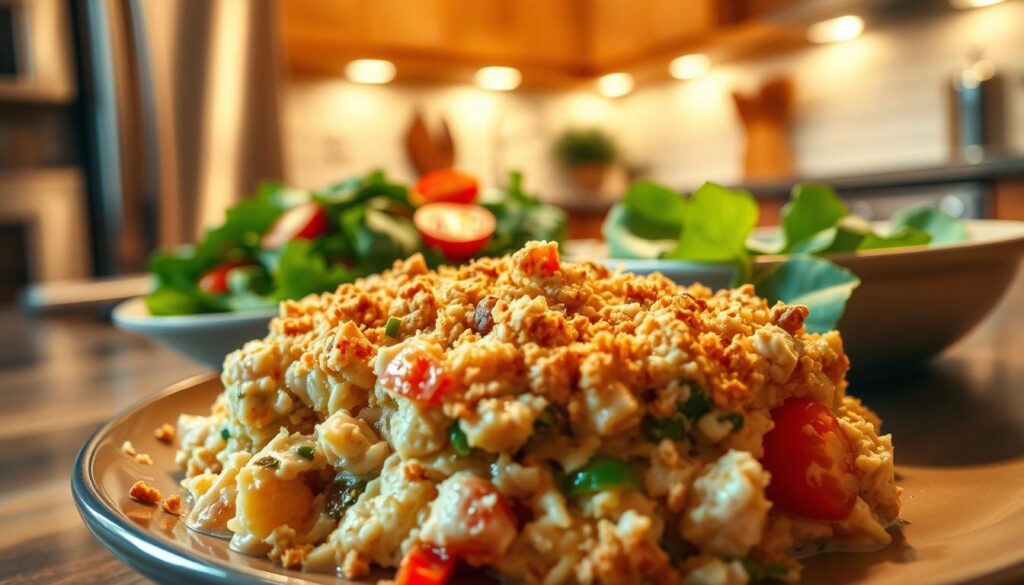
Experimenting with different gluten-free pasta and cream soups can also lead to new favorite variations of tuna casserole. So, don’t be afraid to try new ingredients and make this classic dish your own.
Tips for Making Tuna Casserole Ahead of Time
Preparing tuna casserole ahead of time can be a game-changer for busy weeknights. It allows for a home-cooked meal without the last-minute rush, making it ideal for families and professionals alike.
Storage Guidelines
When making tuna casserole ahead, proper storage is crucial to maintain its freshness and safety. If you’ve prepared the casserole up to the point of baking, it can be stored in the refrigerator for up to 24 hours.
Cover the dish tightly with plastic wrap or aluminum foil to prevent drying out or absorption of odors from other foods in the refrigerator.
Storage Tips:
- Refrigerate at 40°F (4°C) or below.
- Use within 24 hours.
- Keep covered to maintain freshness.
Reheating Instructions
Reheating tuna casserole is straightforward. If it was refrigerated, bake it in a preheated oven at 350°F (175°C) for about 25-30 minutes, or until it’s heated through and the top is lightly browned.
If you’re reheating from a frozen state, add an additional 10-15 minutes to the baking time.
Reheating Tips:
- Thaw overnight in the refrigerator if frozen.
- Bake at 350°F (175°C).
- Check that it’s heated through before serving.
Freezing for Later Use
Tuna casserole can be frozen either before or after baking. If freezing before baking, assemble the casserole, cover it tightly with freezer-safe wrap or aluminum foil, and freeze.
When you’re ready to bake, thaw it overnight in the refrigerator and bake as directed. If freezing after baking, let the casserole cool completely before freezing.
| Storage Method | Duration | Reheating Instructions |
|---|---|---|
| Refrigeration | Up to 24 hours | Bake at 350°F (175°C) for 25-30 minutes |
| Freezing (before baking) | Up to 3 months | Thaw overnight, bake as directed |
| Freezing (after baking) | Up to 3 months | Thaw overnight, reheat at 350°F (175°C) for 25-30 minutes |
Tuna Casserole for Different Dietary Needs
Whether you’re looking for a high-protein meal or a vegetarian alternative, tuna casserole can be tailored to suit your dietary requirements. This versatility makes it a great option for families or groups with varying nutritional needs.
High-Protein Variations
For those looking to increase their protein intake, tuna casserole can be adapted by adding more tuna or incorporating other protein-rich ingredients. Some ideas include:
- Adding cooked chicken or turkey to the casserole
- Using high-protein pasta or noodles
- Incorporating protein-rich legumes like chickpeas or black beans
Increasing the protein content not only enhances the nutritional value but also makes the dish more satisfying.
Vegetarian Alternatives
For vegetarians, tuna can be replaced with plant-based alternatives that mimic its texture and flavor. Some options include:
- Tofu or tempeh marinated in seaweed and soy sauce
- Mushrooms, especially meaty ones like portobello or shiitake
- Jackfruit, which has a texture similar to tuna when cooked
These alternatives allow vegetarians to enjoy a similar casserole without compromising their dietary preferences.
Low-Carb Options
For those on a low-carb diet, traditional pasta can be replaced with lower-carb alternatives. Some ideas include:
- Zucchini noodles or spiralized vegetables
- Shirataki noodles, which are low in carbs and calories
- Cauliflower “noodles” or “rice”
A low-carb tuna casserole is not only healthier but also suitable for those managing their carbohydrate intake.
| Dietary Need | Modification | Benefit |
|---|---|---|
| High-Protein | Add more tuna or other protein sources | Increased protein intake |
| Vegetarian | Replace tuna with plant-based alternatives | Suitable for vegetarians |
| Low-Carb | Use low-carb pasta or vegetable alternatives | Reduced carbohydrate intake |
By adapting tuna casserole to different dietary needs, you can ensure that everyone enjoys a meal that suits their nutritional requirements. Whether it’s high-protein, vegetarian, or low-carb, the versatility of tuna casserole makes it a great choice for any gathering.
Serving Suggestions for Tuna Casserole
To elevate your tuna casserole dining experience, consider these serving suggestions. Serving tuna casserole can be made more enjoyable with the right accompaniments, turning a simple meal into a satisfying feast.
Perfect Side Dishes
Choosing the right side dishes can complement the flavors of your tuna casserole. Some popular options include:
- Garlic bread, a classic comfort food that pairs well with the creamy texture of tuna casserole.
- Roasted vegetables, such as broccoli or asparagus, which add a nutritious and flavorful contrast.
- A simple green salad, providing a refreshing crunch to balance the meal.
Complementary Salads
A well-chosen salad can enhance the overall dining experience. Consider:
- A caprese salad, with its mix of tomatoes, mozzarella, and basil, offering a light and tangy contrast.
- A spinach salad with strawberries and feta, providing a sweet and savory combination.
- A classic Caesar salad, with its rich dressing and crunchy croutons, complementing the casserole’s flavors.
Ideal Beverages
The right beverage can elevate the meal further. Some suggestions include:
- Iced tea, which can be sweetened or unsweetened to suit taste, providing a refreshing contrast.
- Fresh lemonade, offering a tangy and revitalizing option.
- Sparkling water with a slice of lemon or lime, for a lighter choice.
| Beverage | Side Dish | Complementary Salad |
|---|---|---|
| Iced Tea | Garlic Bread | Caprese Salad |
| Fresh Lemonade | Roasted Vegetables | Spinach Salad with Strawberries |
| Sparkling Water | Simple Green Salad | Caesar Salad |
By incorporating these serving suggestions, you can create a well-rounded and enjoyable meal centered around your tuna casserole.
Troubleshooting Common Tuna Casserole Issues
Tuna casserole is a beloved dish, but it can be plagued by a few common issues; let’s dive into how to fix them. Whether you’re a seasoned cook or a beginner, encountering problems with your tuna casserole can be frustrating. However, with some troubleshooting tips, you can overcome these challenges and enjoy a delicious meal.
Overcooked Pasta Solutions
One of the most common issues with tuna casserole is overcooked pasta. To avoid this, it’s essential to cook your pasta al dente before mixing it with the other ingredients. If you find that your pasta is overcooked, you can try adjusting the baking time to minimize further cooking.
- Cook pasta al dente to prevent overcooking.
- Reduce baking time to avoid further cooking of the pasta.
- Consider using a different type of pasta that’s less prone to overcooking.
Balancing Flavors
A well-balanced flavor is crucial for a great tuna casserole. If your dish tastes too salty, too bland, or overwhelmingly fishy, there are several adjustments you can make. Adding a splash of lemon juice can help cut through richness, while a pinch of salt can enhance the overall flavor.
| Issue | Solution |
|---|---|
| Too Salty | Add a dairy product like milk or cream to balance the saltiness. |
| Too Bland | Add more seasonings or herbs to taste. |
| Overpowering Fish Flavor | Balance with lemon juice or additional vegetables. |
Fixing a Dry Casserole
A dry tuna casserole can be disappointing. To prevent or fix this issue, ensure you’re not overbaking the dish. Covering it with foil during baking can help retain moisture. Additionally, incorporating creamy elements like canned cream of mushroom soup can add moisture.
“The key to a moist tuna casserole lies in not overbaking it and incorporating ingredients that add creaminess.” – Cooking Expert
By addressing these common issues, you can significantly improve your tuna casserole recipe. Whether it’s adjusting cooking times, balancing flavors, or adding moisture, these troubleshooting tips will help you achieve a delicious and satisfying dish.
Tuna Casserole: A Family Favorite
Tuna casserole has become a staple in many households, bringing families together with its comforting, homey flavors. Home cooks have shared their experiences, and it’s clear that this dish is more than just a meal – it’s a tradition in the making.
Sharing the Love
Many home cooks have adapted tuna casserole to suit their family’s tastes, making it a beloved dish that’s often requested. By incorporating feedback and ideas from home cooks, we can continue to evolve this recipe, making it a true family favorite.
Making It Their Own
For families with picky eaters, tuna casserole can be adapted to suit various tastes. Whether it’s adding different vegetables or using alternative cheese varieties, there are countless ways to make this dish your own.
As you make tuna casserole a part of your family’s traditions, we encourage you to share your ideas and feedback. By doing so, you’ll be contributing to a community that values this comforting, delicious dish. Tuna casserole is more than just a meal – it’s a way to bring people together, creating memories that last a lifetime.