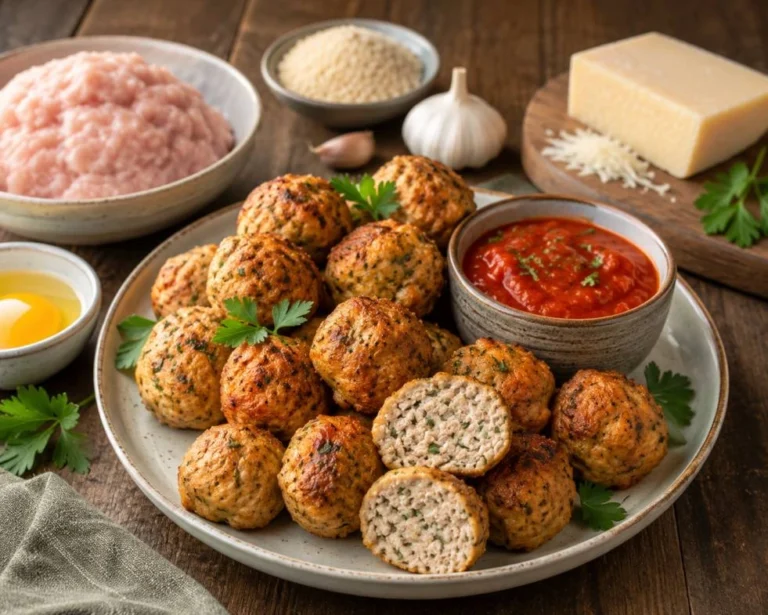
The Chicken Meatball Recipe That Actually Works (No More Dry, Crumbly Balls)
A beginner-friendly guide from a chef who’s ruined plenty of chicken meatballs to get here.
I’ll be honest with you: the first time I made chicken meatballs, they came out dry, pale, and about as exciting as a hockey puck. Chicken is lean. It doesn’t have the fat that beef or pork brings to the party, so if you treat a chicken meatball recipe like a beef one, you’re setting yourself up to fail.
The good news? Once you understand the three things chicken meatballs actually need — the right binder, a little fat insurance, and the right cooking method — they turn out juicy, tender, and full of flavor every single time. This is the exact process I use in my own kitchen, broken down step by step so even if this is your first time making meatballs, you’ll get it right on the first try.
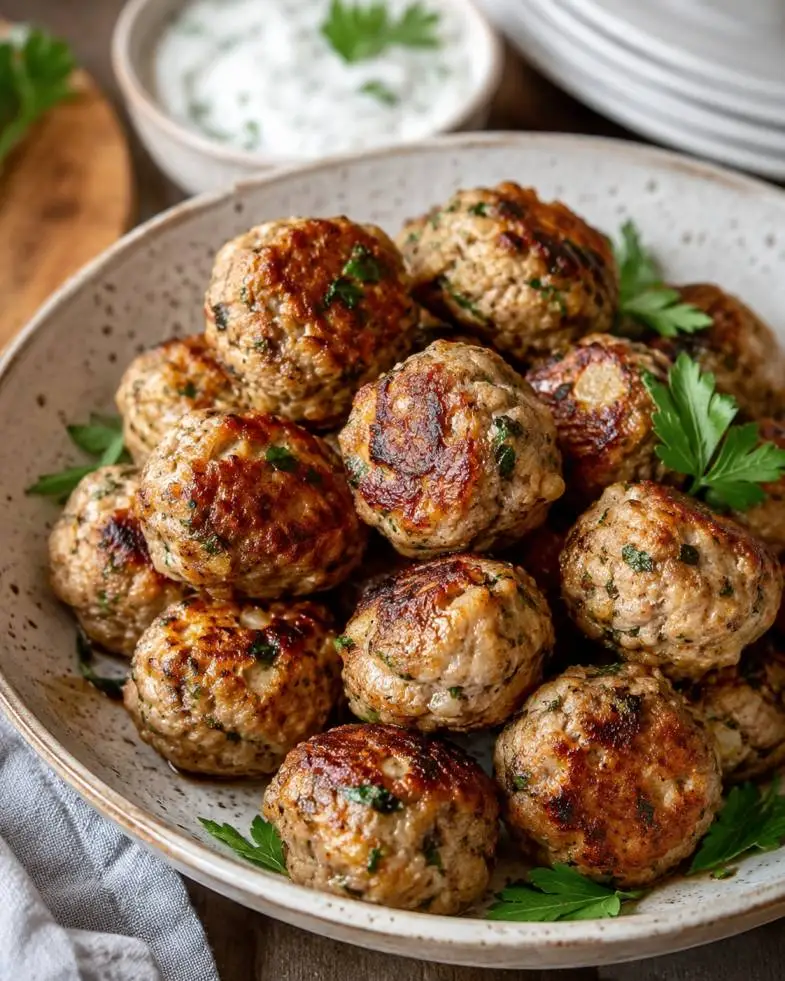
Juicy Chicken Meatballs That Actually Work (No More Dry, Crumbly Meatballs)
Ingredients
Notes
Instructions
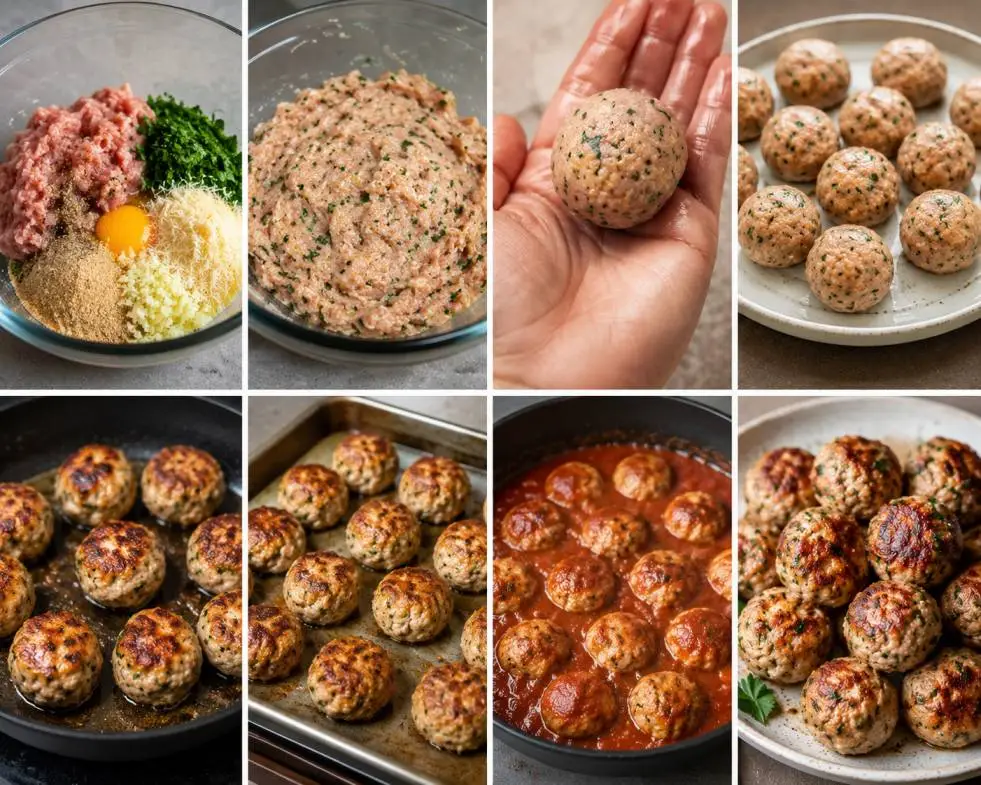
Soak the binder.
In a large bowl, combine the panko and milk. Let it sit for 2–3 minutes so the crumbs soften — this keeps the meatballs tender rather than dense.
Build the mixture.
Add the ground chicken, egg, Parmesan, garlic, grated onion, parsley, salt, pepper, and oregano to the bowl.
Mix gently.
Use your hands or a fork to combine everything just until it comes together. Stop as soon as you no longer see streaks of egg — overmixing is the enemy of a tender meatball.
Shape.
With damp or lightly oiled hands, roll the mixture into balls about 1.5 inches wide. You should get roughly 20.
Cook — choose your method:
Bake: Place on a parchment-lined tray, drizzle with a little olive oil, and bake at 400°F (200°C) for 18–20 minutes.
Pan-fry: Heat olive oil in a skillet over medium heat and cook, turning occasionally, for about 10–12 minutes until browned and cooked through.
Simmer in sauce: Sear the meatballs briefly in a hot pan to set their shape (about 2 minutes per side), then transfer to simmering sauce and finish cooking there, about 15 minutes.
Check doneness.
Meatballs are ready when they reach 165°F (74°C) internally.
Why Chicken Meatballs Fall Apart (And How to Stop It)
If your meatballs have ever crumbled in the pan or disintegrated in the sauce, it’s almost never bad luck — it’s almost always the binder. A binder is what holds the meat, moisture, and seasoning together so the meatball keeps its shape as it cooks.
The classic combination is breadcrumbs plus egg. The egg acts like glue, and the breadcrumbs soak up moisture and swell slightly, giving the mixture some structure without making it dense. Panko works particularly well here because it stays lighter than standard breadcrumbs.
No breadcrumbs on hand? Crushed crackers, oats, or even a slice of bread soaked in milk (a technique called a panade) all work as substitutes. The goal is the same: something starchy to absorb moisture and an egg to bind it all together.
The Real Secret to Juicy Chicken Meatballs
Here’s the part most recipes skip: chicken breast alone is too lean to stay juicy through cooking. Ground chicken thigh has more natural fat and will always give you a more forgiving, moister result. If all you have is breast meat, don’t panic — you just need to compensate.
- Add moisture back in. A splash of milk, a spoonful of ricotta, or grated onion (which releases liquid as it cooks) all help.
- Don’t overmix. Overworking the meat mixture pushes out moisture and makes the texture tough and rubbery. Mix just until combined.
- Don’t overcook. Chicken meatballs are done at 165°F (74°C) internally — pull them the moment they hit that mark.
This is also why restaurants get such reliably juicy chicken: they’re not relying on the meat alone. They’re building moisture and fat into the mixture on purpose, not hoping the chicken provides it.
What Sauce Actually Works Best With Chicken Meatballs
Chicken meatballs are milder and lighter than beef, so they pair beautifully with sauces that bring their own richness or acidity. A few reliable pairings:
- Classic marinara — the acidity balances the mild chicken flavor and keeps things bright.
- Creamy garlic or mushroom sauce — adds back the richness lean chicken doesn’t naturally have.
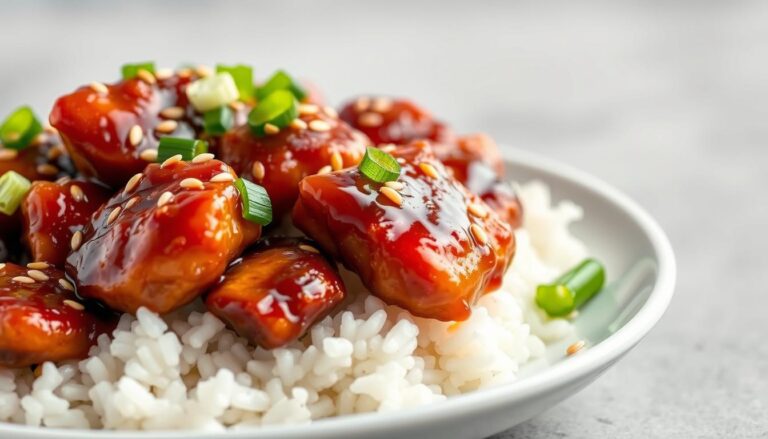
- Sweet-and-tangy glaze (honey garlic, teriyaki) — great if you’re serving these as an appetizer rather than over pasta.
If you’re short on time, a good-quality jarred marinara works completely fine — just simmer the meatballs in it directly for the last 10–15 minutes of cooking so they soak up the flavor. And if you’re working with premade or store-bought chicken meatballs, this same simmer-in-sauce method is the easiest way to make them taste homemade.
Frequently Asked Questions
What are the ingredients in a really good chicken meatball recipe?
Ground chicken (preferably thigh, for fat content), a binder like panko and egg, a moisture source such as milk or grated onion, and aromatics like garlic, Parmesan, and herbs for flavor. The combination of binder plus moisture is what separates a good chicken meatball from a dry, crumbly one.
How can you keep chicken meatballs from falling apart?
Make sure you’re using enough binder — egg plus breadcrumbs (or a substitute like crushed crackers or oats) — and avoid overmixing the meat, which weakens its structure. Letting shaped meatballs rest in the fridge for 10–15 minutes before cooking also helps them hold together.
What kind of sauce is good with chicken meatballs?
Classic marinara, creamy garlic or mushroom sauce, and sweet-tangy glazes all pair well, since chicken’s milder flavor benefits from a sauce with some acidity, richness, or sweetness. Simmering the meatballs directly in the sauce for the last part of cooking adds flavor and keeps them moist.
What is the secret to juicy chicken meatballs?
Use chicken thigh instead of breast where possible, add a moisture source like milk, ricotta, or grated onion, avoid overmixing, and pull the meatballs the moment they hit 165°F (74°C) internally. Overcooking is the single biggest cause of dry chicken meatballs.