Jerk Chicken Seasoning: Everything You Need to Know (+ Step-by-Step Recipe)
From the heart of Jamaica to your kitchen — the real story behind one of the world’s most exciting spice blends.
Let me ask you something: have you ever taken a bite of food and felt like it transported you somewhere completely different? That’s exactly what good jerk chicken does. One mouthful and suddenly you’re on a sun-soaked beach in Montego Bay, smelling charcoal smoke and listening to reggae drift through the air.
But here’s the thing — jerk chicken doesn’t have to stay in Jamaica. With the right seasoning and a few chef’s secrets, you can recreate that magic right in your own kitchen. Whether you’re a total beginner or someone who’s tried (and failed) at jerk chicken before, this guide is going to change how you cook it forever.
Let’s start from the very beginning.
🌿What Is Jerk Chicken Seasoning Actually Made Of?
If you’ve ever picked up a jar of jerk seasoning at the grocery store and squinted at the ingredient list wondering what half of it meant — you’re not alone. Most beginners assume jerk seasoning is just “a spicy thing.” But it’s so much more layered and complex than that.
Authentic jerk seasoning is built on three non-negotiable pillars:
- Scotch bonnet peppers — fiery, fruity, and uniquely Jamaican. These are what give jerk its heat and its distinctive tropical undertone.
- Allspice (pimento berries) — this is the soul of jerk. It tastes like a warm mix of cloves, cinnamon, and nutmeg all at once. Nothing else really replaces it.
- Fresh thyme — earthy and herbal, it balances out the heat and smoke beautifully.
From there, most recipes — including mine — build on that foundation with garlic, ginger, green onions (scallions), brown sugar, soy sauce, and a splash of lime. Each one plays a role. The sugar caramelizes during cooking to create that gorgeous charred crust. The soy sauce adds depth and helps the marinade penetrate the meat. The lime brightens everything up.
👨🍳
Chef’s Note:You’ll notice most commercial jerk seasoning tastes a little flat compared to homemade. That’s because the magic of real jerk comes from fresh ingredients — especially fresh scotch bonnet and fresh thyme. Dried just doesn’t cut it for this one.
Step-by-Step Instructions
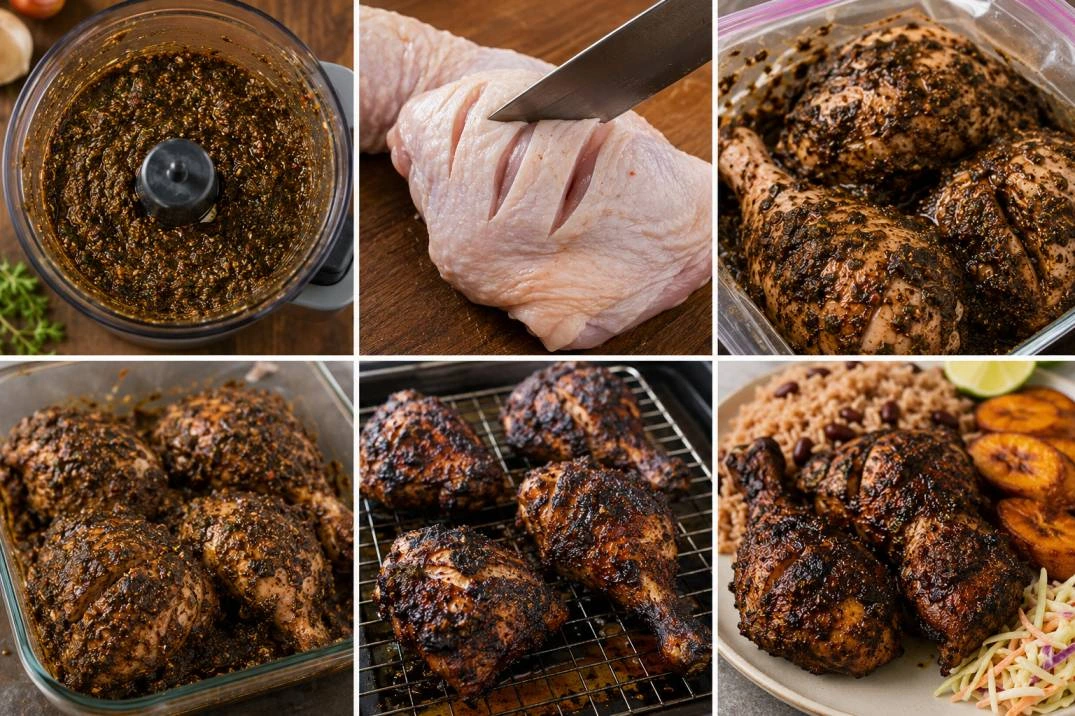
Make Your Jerk Paste
Add all marinade ingredients into a blender or food processor. Blend until you have a thick, rough paste — don’t over-blend it into a liquid. You want some texture. Taste it carefully (it’ll be intensely spicy raw) and adjust salt or sugar as needed.
Score the Chicken
Using a sharp knife, make 2–3 deep cuts into the thickest parts of each chicken piece. This is not optional — those cuts allow the marinade to get deep into the meat rather than just sitting on the surface. This is one of the biggest mistakes beginners skip.
Coat and Marinate
Rub the jerk paste all over the chicken, pushing it into those cuts. Place in a zip-lock bag or covered dish and refrigerate. Minimum 4 hours — but if you can leave it overnight (8–24 hours), do it. The difference in flavor depth is remarkable.
Bring to Room Temperature
Take the chicken out of the fridge 30 minutes before cooking. Cold chicken straight from the fridge cooks unevenly. This small step makes a real difference
Cook Low and Slow (Then Finish Hot)
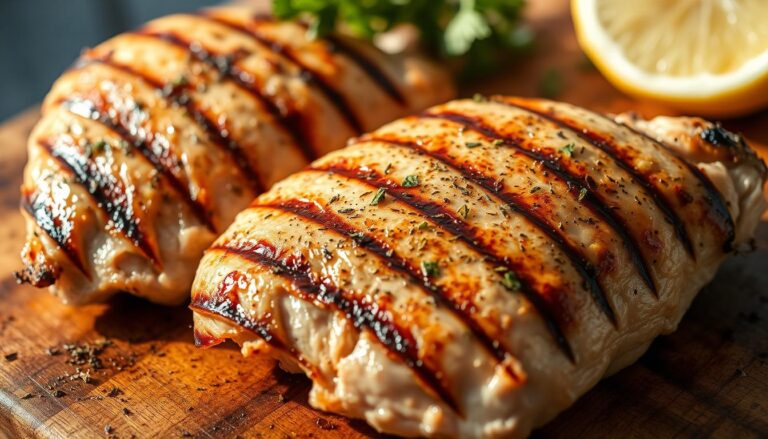
Preheat your oven to 190°C / 375°F. Place chicken on a wire rack over a baking tray. Cook for 35–40 minutes until almost done, then crank the heat to 220°C / 425°F for the final 8–10 minutes to char the outside. That char is everything — it’s where the smoky jerk magic lives. If grilling, use medium-indirect heat for 30 minutes, then finish over direct flame.
Rest Before Serving
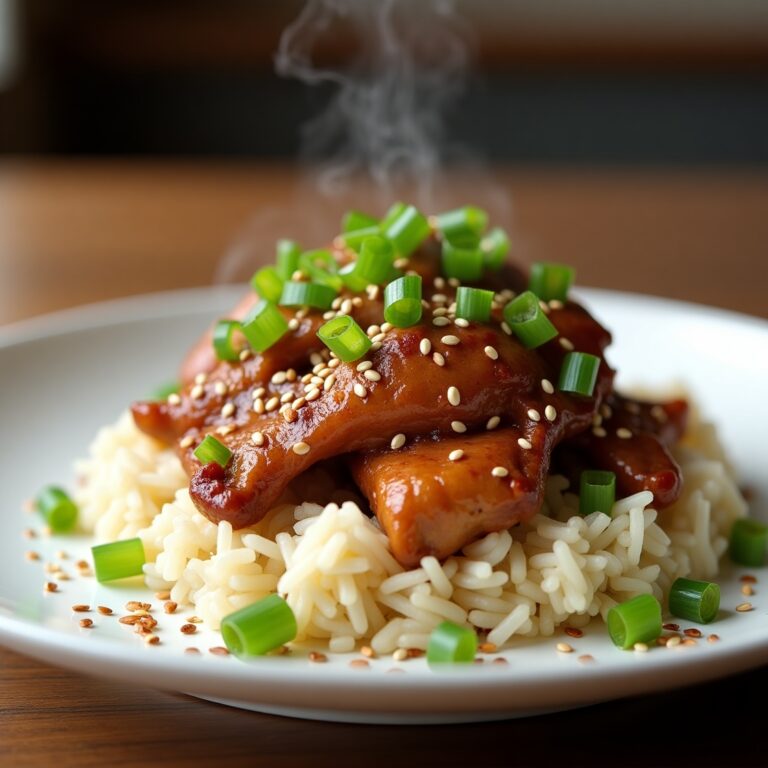
Let the chicken rest for 5–8 minutes before cutting. This keeps all those juices locked inside rather than running all over your cutting board. Serve with rice and peas, fried plantain, or a simple coleslaw.
🔥 Pro Tip on Heat Level:Scotch bonnets are seriously hot. If you’re nervous, start with just one pepper and remove the seeds. You can always add more heat — you can’t take it away. Habaneros are a widely available substitute that deliver similar fruitiness with slightly less fire.
🔑What’s the Real Secret to Perfect Jerk Chicken?
I’ve eaten a lot of bad jerk chicken over the years. And honestly? The problem is almost always the same two things: not enough marinating time, and cooking it too fast over too much direct heat.
Here’s what the best Jamaican cooks have always known — jerk chicken is not a quick weeknight dinner. It’s a patient cook’s dish. The marinade needs time to break down the proteins in the meat and infuse every fiber with flavor. Four hours is the bare minimum. Overnight is where the magic truly starts.
The other secret is the cooking method. Traditional Jamaican jerk is cooked over pimento wood (allspice wood), which adds another layer of that distinctive smoky-sweet aroma. You obviously can’t always replicate that at home — but you can get surprisingly close by adding a small piece of hardwood to your grill, or using a cast Use an iron pan on your stovetop to develop a proper crust.
🇯🇲
A Little History Worth Knowing:Jerk chicken is definitively Jamaican in origin, developed by the Maroons — escaped enslaved Africans who built free communities in the Jamaican mountains. They cooked wild boar in underground pits seasoned with native spices. The technique evolved over centuries into what we know today. So when you cook jerk chicken, you’re participating in a tradition with deep, proud roots.
🍗 Homemade Jerk Chicken Seasoning & Marinade
⏱ Prep: 15 min🕐 Marinate: 4–24 hrs🔥 Cook: 35–45 min👥 Serves: 4📊 Difficulty: Beginner
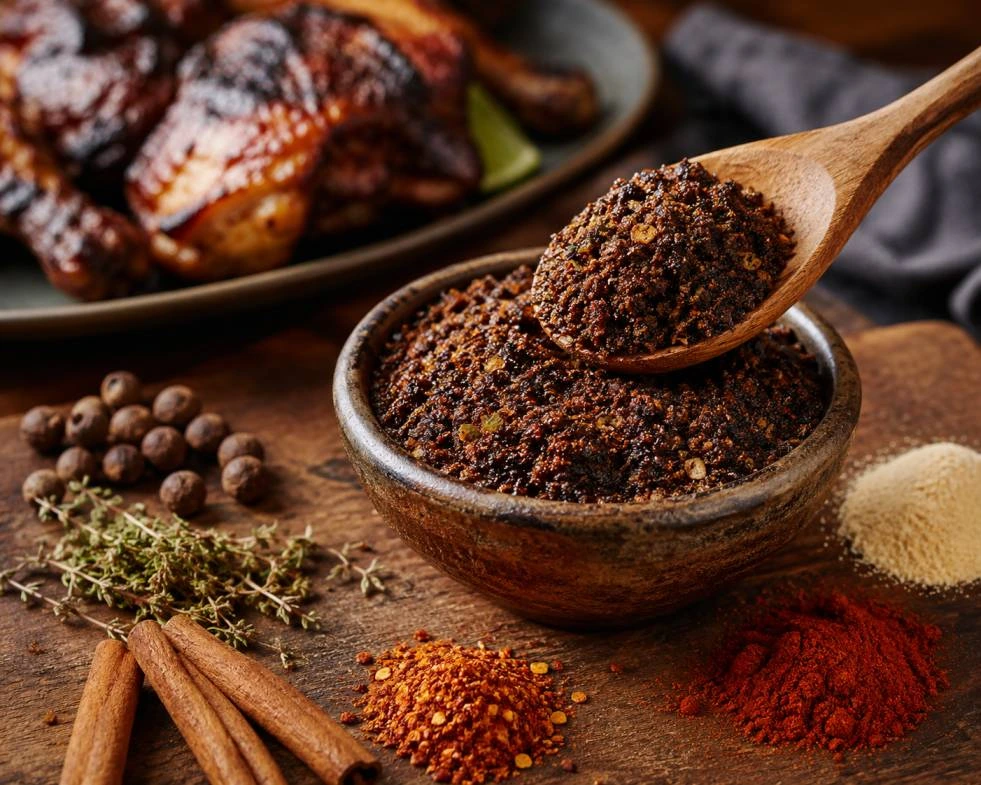
Homemade Jerk Chicken Seasoning (Easy Authentic Jamaican Spice Blend)
Ingredients
Notes
⚡ Key Takeaways
- Jerk seasoning is built on three non-negotiables: scotch bonnet peppers, allspice, and thyme
- The secret to great jerk chicken is all in the marinating time — minimum 4 hours, ideally overnight
- Authentic jerk flavor originates in Jamaica, not Africa — though it has fascinating cultural roots
- Jerk chicken can be part of a healthy diet when prepared without excess sodium or skin
- If you can’t find jerk seasoning, a smart Cajun or allspice-forward blend can work as a substitute
💚Is Jerk Chicken Actually Good for You?
Here’s a question that comes up constantly, and the answer might surprise you: yes, jerk chicken can absolutely be part of a healthy diet — with a couple of small adjustments.
The core ingredients in jerk seasoning — allspice, thyme, ginger, garlic, scotch bonnet — are genuinely functional foods. Ginger and garlic are well-documented for their anti-inflammatory properties. Scotch bonnet peppers contain capsaicin, which has been linked to improved circulation. Allspice has antioxidant properties. This is not junk food dressed up in exciting spices.
For people managing high cholesterol: Jerk chicken prepared without the skin and cooked on a rack (so fat drips away) is a lean, high-protein option. The key is keeping an eye on the sodium in your marinade — reduce soy sauce or use a low-sodium version if that’s a concern for you. The spices and herbs themselves add incredible flavor without adding fat or calories.
For diabetics, skinless grilled jerk chicken is generally considered a good protein choice. Pair it with fiber-rich sides like vegetables or legumes rather than white rice to keep blood sugar steady.
The version to be cautious about is the deep-fried or heavily processed fast-food style jerk chicken — that’s when things shift toward “junk food” territory. Made fresh at home the way we’ve outlined here? You’re eating well.
🔄What If You Can’t Find Jerk Seasoning?
We’ve all been there — you’re ready to cook, you’ve got the chicken out, and you realize your jerk seasoning is gone. Don’t panic. There are some smart substitutes that can get you surprisingly close.
The most important thing to understand is that allspice is the non-negotiable soul of jerk. Any substitute needs to start there. A quick emergency blend that works: ground allspice + garlic powder + dried thyme + cayenne pepper + cinnamon + a pinch of brown sugar. It won’t be identical, but it’ll give you that warm, spiced, slightly fiery flavor profile.
As for store-bought alternatives — Cajun seasoning is probably the most commonly mentioned substitute, and while it shares the boldness and heat of jerk, it’s missing the sweet-warm allspice notes that make jerk distinctly Caribbean. It works in a pinch, but know that you’re cooking something different.
🛒
Best Store-Bought Pick:If you want an authentic shortcut, look for Jamaican-made jerk seasoning brands rather than generic grocery store versions. Grace, Walkerswood, and Scotch Bonnet brand seasonings are widely available online and deliver genuine Jamaican flavor. They’re worth seeking out.
❓Frequently Asked Questions
Q1 : What are the three primary components of jerk seasoning?
The three non-negotiable pillars of authentic jerk seasoning are scotch bonnet peppers, allspice (pimento berries), and fresh thyme. Everything else — garlic, ginger, scallions, soy sauce, brown sugar — builds on this foundation. If a jerk seasoning is missing any of these three, it’s not truly authentic. Allspice in particular is what sets jerk apart from every other spice blend in the world.
Q2 : Is jerk chicken African or Jamaican?
Jerk chicken is Jamaican, though it has African heritage. The technique was developed by the Maroons — people of African descent who escaped enslavement and established free mountain communities in Jamaica. They combined African cooking methods with native Jamaican spices (particularly allspice/pimento, which grows wild on the island) to create what became jerk. So while the cultural roots run through Africa, jerk as a cuisine is proudly and distinctly Jamaican.
Q3 : How long should jerk chicken marinate?
The minimum recommended marinating time is 4 hours, but the sweet spot that professional cooks aim for is overnight (8 to 24 hours). The longer the chicken sits in the marinade, the deeper the flavor penetrates into the meat — especially important for thick cuts like thighs and drumsticks. Marinating under 4 hours will leave you with flavor mostly on the surface, which is one of the most common mistakes beginners make with jerk chicken.
Q4 : Can I eat jerk chicken if I have high cholesterol?
Yes — with a few smart adjustments. Remove the skin before or after cooking to significantly reduce saturated fat. Cook on a rack so excess fat drips away rather than pooling. Watch your sodium by using low-sodium soy sauce in the marinade. The herbs and spices themselves (allspice, garlic, ginger, thyme) are actually beneficial and contain antioxidants and anti-inflammatory compounds. Jerk chicken made this way is a lean, high-protein option that fits well within a heart-conscious eating plan.
Ready to Bring Jamaica Into Your Kitchen?
There’s something genuinely special about mastering jerk chicken from scratch. It connects you to a tradition that spans centuries, cultures, and continents — and it tastes incredible. Start with this recipe this weekend, don’t rush the marinade, and let the heat do its thing. Once you’ve made it homemade, you’ll never reach for a packet again.
Share your results, ask questions, or tell us how it went in the comments below. 🇯🇲🔥