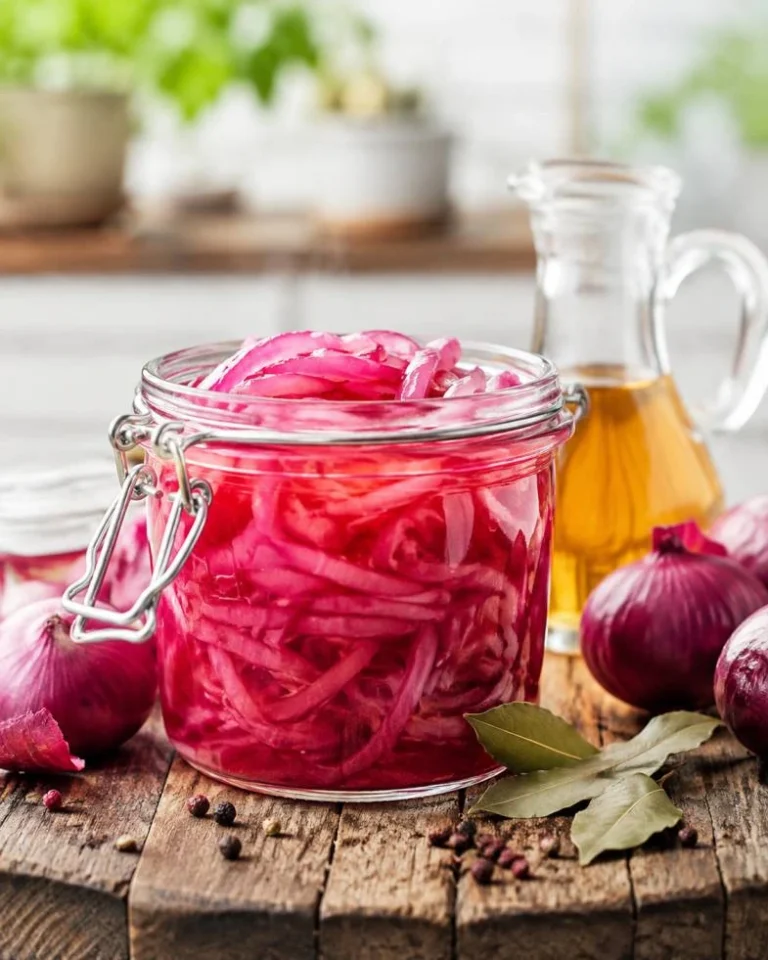
Garlic Scape Recipes: Everything a Beginner Needs to Know
These curly green gems show up at farmers markets for just a few weeks a year — here’s how to make the absolute most of them.
🧑🍳 By a Chef Expert📖
What You’ll Learn in This Guide
- What garlic scapes actually are — and which part you eat
- Whether it’s better to eat them raw or cook them first
- How to store and freeze garlic scapes so none go to waste
- Step-by-step garlic scape pesto recipe (beginner-friendly)
- Answers to the most common garlic scape questions
Picture this: you’re walking through your local farmers market, maybe eyeing the strawberries, when you spot a bundle of something that looks like the garlic decided to grow a curly green tail and take a walk. That’s a garlic scape — and if you’ve never cooked with one before, you’re in for a genuinely exciting discovery.
As a chef, I get more questions about garlic scapes than almost any other seasonal ingredient. And I completely understand why. They’re unfamiliar, they look a little wild, and most grocery stores don’t carry them. But here’s the thing: garlic scapes are one of the most versatile, flavorful, and beginner-friendly ingredients you’ll find from late spring to early summer. Once you know what to do with them, you’ll be hunting for them every year.
Garlic Scape Pesto
Bright, bold, and ready in 10 minutes. Makes about 1 cup.
⏱ Prep: 10 min🍽 Serves: 4📊 Level: Beginner
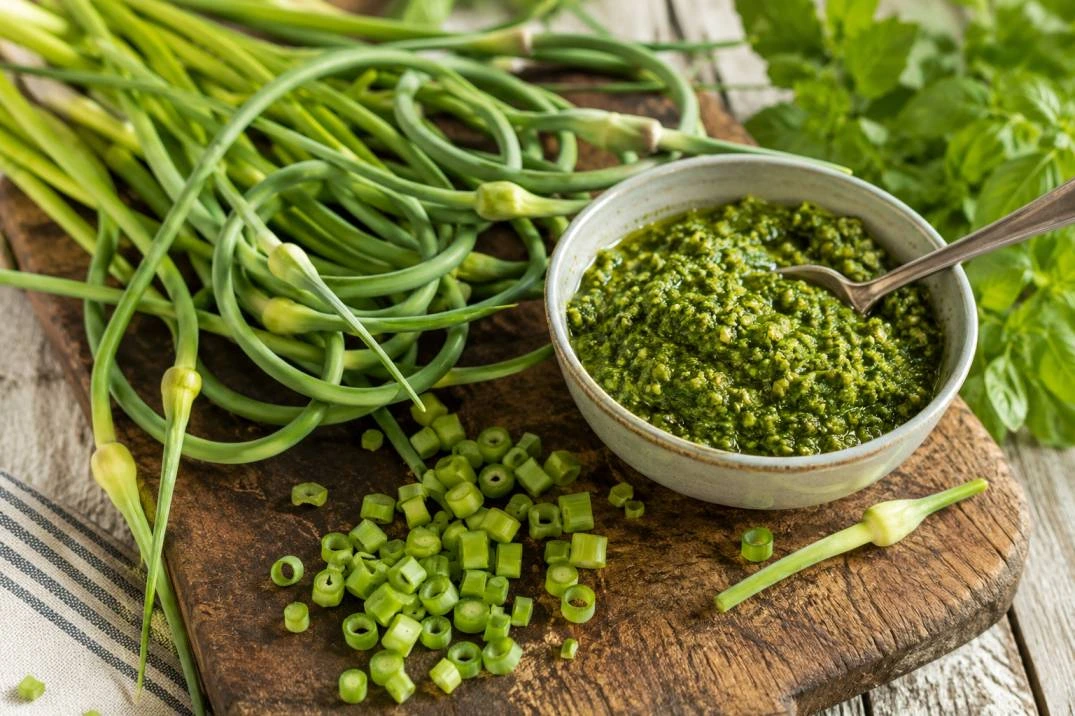
Garlic Scape Recipes: The Beginner’s Guide to Cooking with Garlic Scapes
Ingredients
Let’s break it all down, step by step.
What Is a Garlic Scape — and Which Part Do You Eat?
A garlic scape is the flower stalk that hardneck garlic plants send up in early summer. Farmers cut them off on purpose — removing the scape actually directs the plant’s energy back into forming a bigger, better garlic bulb underground. So scapes are both a byproduct and a bonus.
Now, the part you eat: the entire tender green stem, from just above where it meets the bulb all the way up to (and including) the pale, pointed bud at the tip. That tip is sometimes slightly tougher in texture, but it’s completely edible. The only part I’d skip is the very base of the stalk, where it starts to feel woody or stringy — give it a bend, and if it snaps cleanly, it’s good to go.
“Garlic scapes taste like garlic’s younger, milder, more adventurous cousin — and they cook in a fraction of the time.”
In terms of flavor, think of them as somewhere between garlic and a mild green onion. Raw, they pack a real punch. Cooked, they mellow out beautifully into something sweet, savory, and deeply satisfying.
Raw or Cooked? Here’s What Works Best
Both work — but they’re very different experiences, and knowing when to use each approach will make all the difference in your cooking.
Eating Them Raw
Raw garlic scapes are sharp and pungent. They work brilliantly when finely chopped and used as a finishing garnish, stirred into salad dressings, or blended into dips. If you love the intensity of raw garlic, you’ll enjoy them this way. If you’re more sensitive to bold flavors, a little goes a long way.
Cooking Them
This is where garlic scapes truly shine for beginners. A quick sauté in olive oil over medium-high heat for 5 to 7 minutes transforms them completely — they become tender, slightly caramelized, and wonderfully mild. Toss them on a hot grill, roast them at 400°F, add them to a stir-fry, or fold them into scrambled eggs. They are forgiving, quick, and difficult to get wrong.
How to Store Garlic Scapes (and Freeze Them)
One of the best things about garlic scapes is how long they last compared to fresh herbs. Pop them in the fridge in a loosely sealed plastic bag or wrapped in a slightly damp paper towel, and they’ll stay fresh for up to 2 to 3 weeks. That gives you plenty of time to cook through a whole farmers market bundle without any pressure.
Want to hold onto that summer flavor even longer? You can absolutely freeze garlic scapes — and it’s easier than you think. Rinse them, pat them dry, cut them into 1-inch pieces, and spread them on a baking sheet to freeze individually before transferring to a freezer bag. They’ll keep for up to 6 months and go straight into soups, stir-fries, or pasta from frozen without any fuss.
Garlic Scape Pesto: The Perfect Beginner Recipe
If there’s one recipe that every garlic scape beginner should start with, it’s pesto. It’s quick, it requires no cooking, and it shows off that unique flavor in the best possible way. Toss it with pasta, spread it on toast, stir it into soup — it does everything.
Step-by-Step Instructions
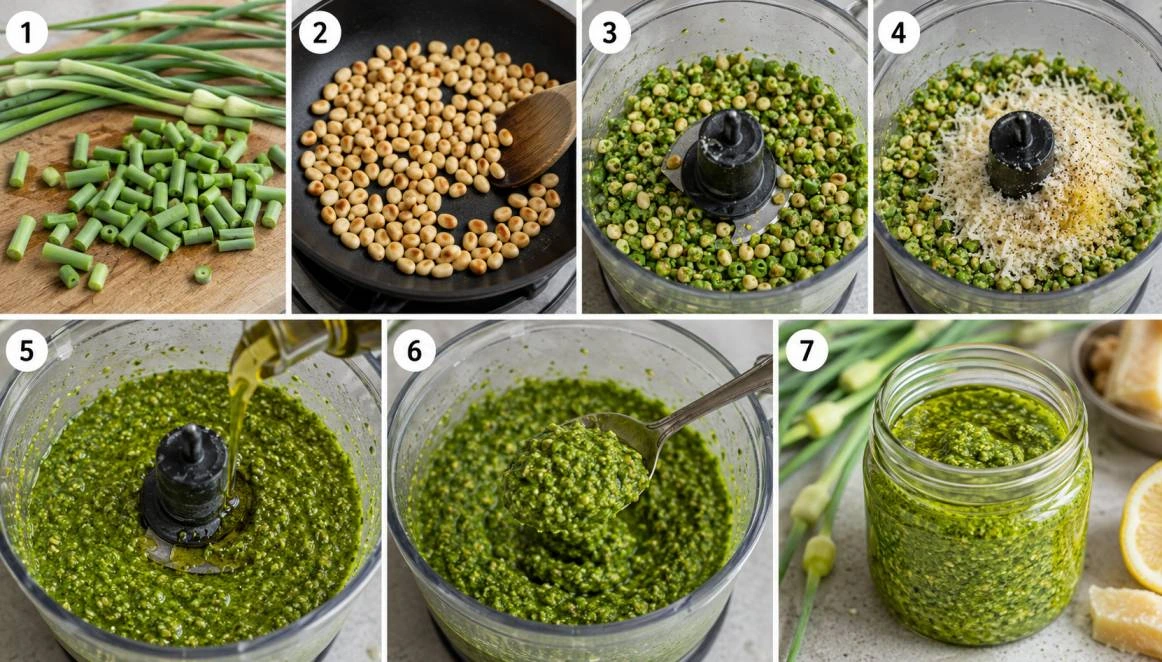
• Prep your scapes:
Wash the garlic scapes with cold water and dry them. Trim off the very base (the bottom half inch) if it feels tough or woody. Chop them into rough 2-inch pieces so your food processor can handle them easily.
• Toast the nuts.
In a dry skillet over medium heat, toast your pine nuts for 2 to 3 minutes, stirring frequently, until they’re lightly golden and fragrant. Keep a close eye — they go from perfect to burned very quickly. Remove from heat and let cool for a minute.
• Blend the base.
Add the chopped garlic scapes and toasted pine nuts to a food processor. Pulse 8 to 10 times until you have a coarse, chunky mixture — you want texture here, not a smooth paste just yet.
• Add cheese and lemon.
Combine the grated Parmesan, lemon juice, salt, and black pepper. Pulse another 5 to 6 times to combine everything evenly.
• Stream in the olive oil.
With the food processor running on low, slowly pour in the olive oil through the feed tube. Let it blend for about 20 seconds until the pesto comes together into a slightly loose, vibrant green sauce. Stop and scrape down the sides if needed.
• Taste and adjust.
This is the most important step. Taste your pesto and adjust: more salt? A little extra lemon? Some people prefer a slightly looser pesto — just add another tablespoon of olive oil. Make it yours.
• Serve or store.
Toss immediately with freshly cooked pasta, spread on crostini, or transfer to a clean jar. Pour a thin layer of olive oil on top to prevent browning. Refrigerate for up to 5 days, or freeze in small portions for up to 3 months.
Chef’s tip: If your pesto tastes too sharp or pungent, blanch the garlic scapes in boiling water for just 60 seconds before blending. It takes the edge right off without losing any of the flavor.
Beyond Pesto: 3 More Easy Ways to Use Garlic Scapes
Once you’ve made pesto, the world opens up. Here are three more beginner-friendly directions to take your scapes:
Sautéed with butter and pasta. Slice scapes into half-inch rounds and sauté them in butter over medium heat until they soften and pick up a little color, about 6 minutes. Toss with hot pasta, a splash of pasta water, and a handful of Parmesan. Simple, fast, and absolutely delicious.
Grilled whole as a side dish. Toss whole scapes with olive oil, salt, and pepper. Grill over high heat for 3 to 4 minutes per side until they char slightly and become tender. They’re the perfect summer side next to grilled chicken or fish.
Stirred into scrambled eggs. Finely chop 2 or 3 scapes and cook them in butter for 2 minutes before adding your eggs. It adds a gentle, savory depth that makes even a basic breakfast feel restaurant-worthy.
Frequently Asked Questions :
How long will garlic scapes last in the fridge?
Stored properly in a loosely sealed bag or wrapped in a slightly damp paper towel, fresh garlic scapes will keep in the refrigerator for 2 to 3 weeks. This makes them one of the longer-lasting fresh vegetables you’ll find at the farmers market — no need to rush through cooking them all at once.
Can I freeze garlic scapes whole?
Yes — and it’s very straightforward. You can freeze them either whole or cut into pieces. For the best results, wash and dry them first, then spread them flat on a baking sheet to freeze before bagging them up. This stops them from sticking together in one solid clump. Frozen scapes work perfectly in cooked dishes like soups, stir-fries, and pasta straight from the freezer.
Are garlic scapes low FODMAP?
This is a great question for anyone managing IBS or a sensitive digestive system. Garlic scapes are not considered low FODMAP because they contain fructans — the same compound found in garlic bulbs that can trigger symptoms in people with IBS. However, the green tops of scapes (the leafy parts) are generally better tolerated than the white base portions. If you’re following a strict FODMAP diet, garlic-infused oil is often recommended as a safe alternative to get that garlic flavor without the digestive trouble.
What is the 10-minute garlic rule?
The 10-minute garlic rule refers to the recommended waiting time after chopping or crushing garlic (and garlic scapes) before applying heat. When you cut garlic, it activates an enzyme called alliinase, which converts alliin into allicin — the compound responsible for garlic’s health benefits and bold flavor. Letting it sit for about 10 minutes after chopping gives this reaction time to complete fully, so you get maximum flavor and nutritional benefit even after cooking.