Ricotta Cheese: Everything You Need to Know Before You Cook With It
Is it healthy? How does it compare to cottage cheese? And why does it sometimes upset your stomach? Let’s talk about all of it.
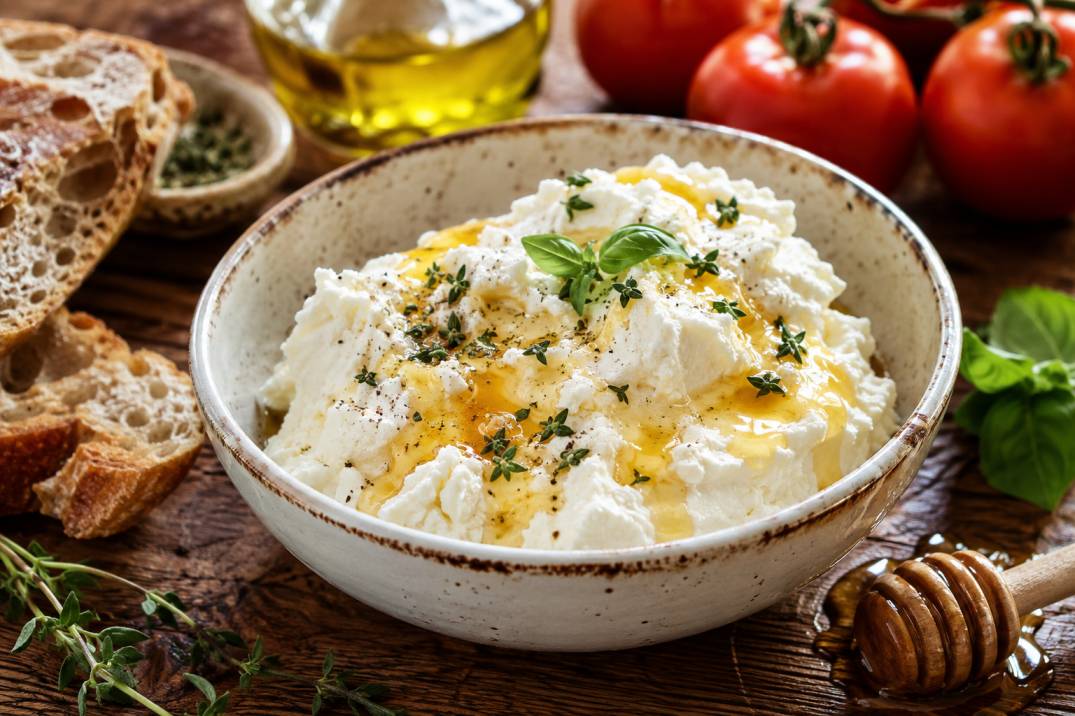
Whipped Ricotta Crostini with Honey & Fresh Herbs:
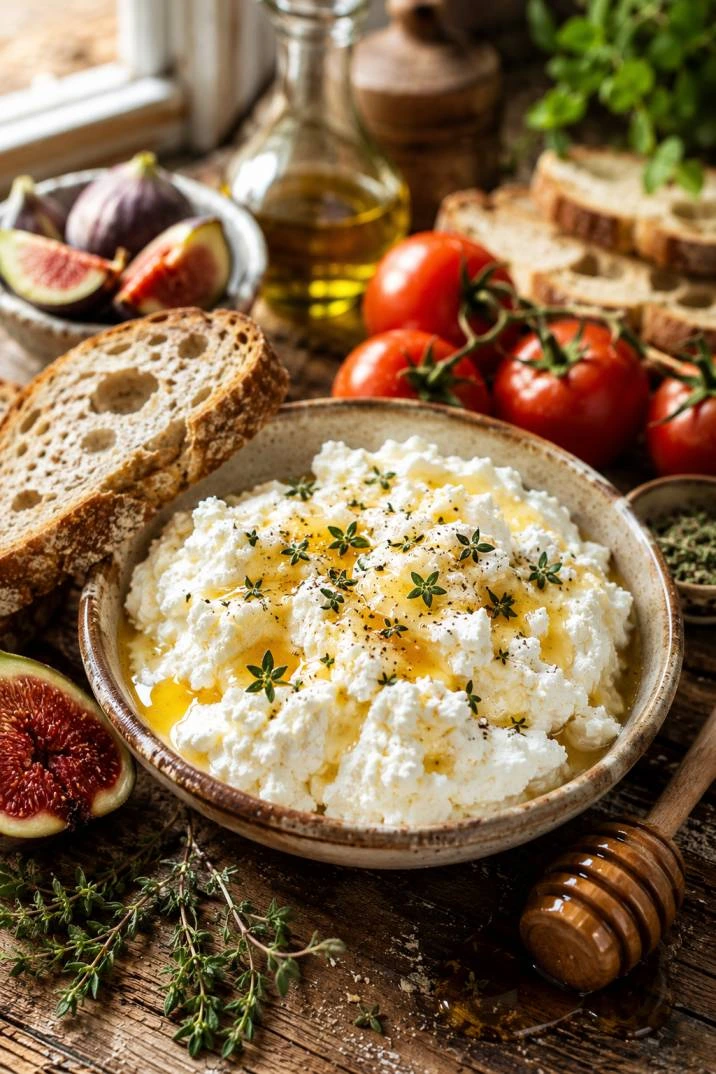
Ricotta Cheese Guide: Everything You Need to Know About Ricotta
Ingredients
Equipment
Notes
- Whole-milk ricotta offers the richest flavor and creamiest texture.
- Ricotta works well in lasagna, stuffed pasta, cheesecakes, pancakes, dips, and toast toppings.
- Store ricotta in the refrigerator and consume within a few days after opening for best quality.
- Drain excess liquid before using in baked dishes to avoid watery results.
Quick Takeaways
- Ricotta is one of the most protein-rich, lower-fat cheeses you can cook with
- It is not the same as cottage cheese — they differ in texture, flavor, and how they behave when heated
- Italians use it in everything from pasta to dessert; you should too
- If it upsets your stomach, lactose is usually the culprit — and there are easy fixes
- A homemade ricotta takes under 30 minutes and tastes nothing like store-bought
I still remember the first time I made ricotta from scratch. I was a culinary student, it was a Tuesday afternoon, and my instructor dropped a gallon of whole milk, some white vinegar, and a piece of cheesecloth on my station and said: “Make cheese.” Twenty-five minutes later I had something so impossibly creamy and fresh that I ate half of it with a spoon before it ever made it into the pasta.
That’s the thing about ricotta. Most people typically associate it with the white ingredient commonly used as a filling in lasagna. But once you understand it — really understand it — it becomes one of the most versatile, nutritious, and honestly underrated ingredients in your kitchen.
So whether you’ve got a tub of it sitting in your fridge right now wondering what to do with it, or you’re trying to figure out if it’s healthy enough to eat regularly, you’re in the right place. Let’s go through everything.
Is Ricotta Cheese Actually Good for You?
Short answer: yes, more than most people realize. Ricotta is made from whey — the liquid left behind after making other cheeses — which means it naturally contains a solid profile of protein, calcium, and B vitamins. A half-cup serving gives you roughly 14 grams of protein, which is genuinely impressive for a cheese.
Now, is it the healthiest cheese on the planet? Not necessarily. Harder cheeses like parmesan pack more calcium per gram, and something like cottage cheese can edge it out slightly on protein-to-calorie ratio. But here’s what I always tell people: don’t eat ricotta because it’s a superfood. Eat it because it’s delicious and it happens to be a smart choice compared to most alternatives.
Compared to mozzarella, for instance, ricotta tends to be lower in fat and sodium while delivering more protein. And if you’re comparing it to Greek yogurt — a popular health food swap — the two are actually surprisingly close in nutritional value. Ricotta is slightly richer and a bit higher in fat, but Greek yogurt has a sharper tang that doesn’t work in savory dishes the same way.
If gut health is a priority for you, ricotta won’t actively harm it — but it’s not a probiotic food either. For anti-inflammatory benefits, the bigger wins come from what you put with the ricotta: olive oil, fresh herbs, leafy greens, whole grain toast.
What about cholesterol? This is where people get nervous. Ricotta does contain saturated fat, and if you’re managing high cholesterol under a doctor’s guidance, portion size matters. That said, for most healthy adults, eating ricotta a few times a week as part of a balanced diet is completely fine. You’re not ladling it out by the cup — a few generous tablespoons goes a long way.
Ricotta vs. Cottage Cheese: Not the Same Thing (But Close Cousins)
This question comes up constantly, and honestly, the confusion makes sense. They look similar, they live in the same section of the grocery store, and they’re both white, milky, and soft. But no — they are not the same thing, and substituting one for the other carelessly will get you into trouble.
Here’s the key difference: cottage cheese is made from curdled milk (with visible curds), while ricotta is made from whey and has a much smoother, creamier texture. Cottage cheese is tangier and saltier. Ricotta is mild, slightly sweet, and velvety.
In terms of protein, cottage cheese often has a slight edge — but we’re talking a gram or two per serving. Not a reason to choose one over the other. What matters more is how you’re using them.
Can you eat ricotta just like cottage cheese? Technically, yes. Both work as high-protein snacks, both go well with fruit, and both can be spread on toast. But if you’re baking — say, making a cheesecake or stuffing shells — do not swap them directly without adjusting your recipe. Ricotta is much smoother and less watery, so a 1:1 swap with cottage cheese will change your texture significantly.
What can you use instead of ricotta when you don’t have any? Cottage cheese (blended until smooth), mascarpone (richer, use less), or even a drained plain Greek yogurt can all work depending on the application. I’ve used all three in a pinch.
How to Use Ricotta: A Simple Recipe to Start With
Before I give you the grand tour of ricotta applications, let me walk you through one foundational recipe that I come back to constantly. It works as a weeknight dinner, an impressive brunch dish, or honestly just something to eat on its own at midnight — no judgment.
This is a whipped ricotta crostini with honey and fresh herbs. It’s dead simple, it takes about 15 minutes, and it will change how you think about this ingredient forever.
Step-by-Step Instructions
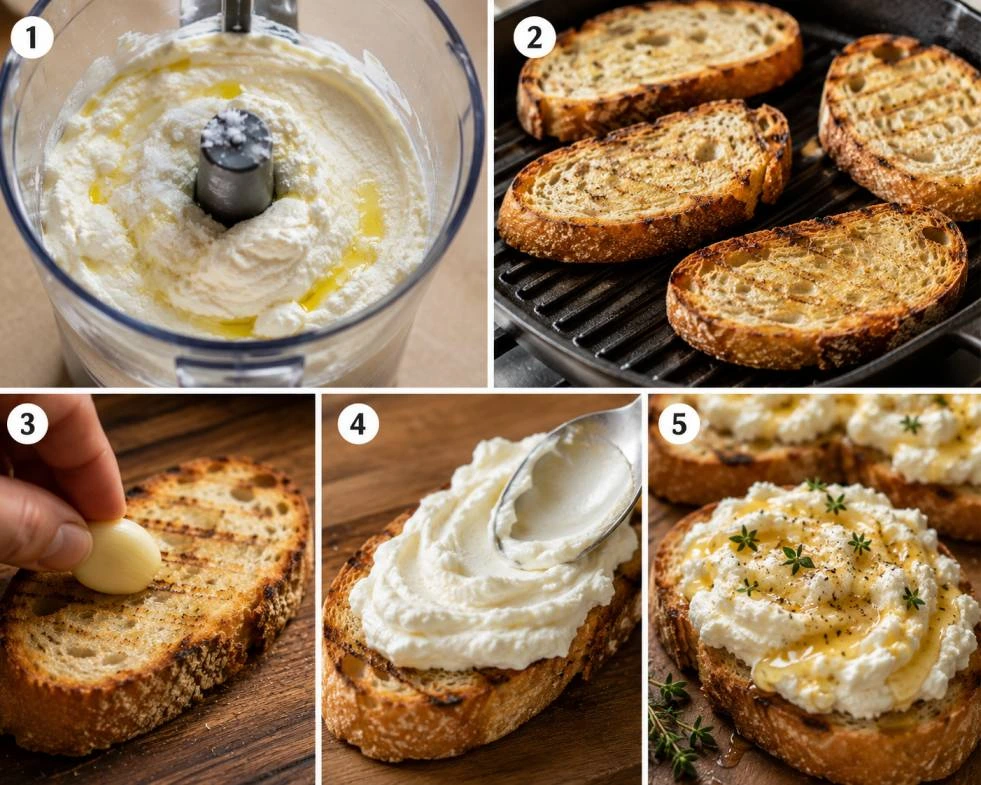
Step 1
Whip the ricottaAdd the ricotta, olive oil, lemon juice, and sea salt to a food processor or blender. Blend on high for 60–90 seconds until completely smooth and airy. Taste it. It should be bright, creamy, and slightly tangy. Adjust salt if needed. If you don’t have a blender, a hand mixer works well too — just beat it vigorously for 2–3 minutes.
Step 2
Toast the breadHeat a grill pan or your oven broiler to high. Brush each bread slice lightly with olive oil on both sides. Toast for 2–3 minutes per side until you get golden edges and those satisfying char marks. Watch it closely — bread goes from perfect to burnt very fast under a broiler.
Step 3
Rub with garlicThe moment the bread comes off the heat, immediately rub the cut side of the garlic clove across the surface of each slice. It sounds like a small detail. It is not a small detail. The heat from the bread opens up the garlic and infuses it into the toast in a way that raw garlic in a recipe never quite matches.
Step 4
AssembleSpoon a generous amount of whipped ricotta onto each crostini — don’t be shy, this is not the time for restraint. Use the back of your spoon to swirl it into gentle peaks rather than spreading it flat. Those little valleys will catch the honey.
Step 5
Finish and serveDrizzle honey over each crostini in a thin, slow zigzag. Scatter fresh thyme leaves on top, add a pinch of flaky salt, and crack black pepper generously over everything. Serve immediately — these do not wait well, and they don’t need to.
Chef’s Variations
- Savory version: Skip the honey and top with roasted cherry tomatoes, torn basil, and a drizzle of good balsamic instead
- Egg version: Top with a soft-poached egg — the runny yolk mixing into whipped ricotta is something special
- Protein boost: Add smoked salmon and capers for a breakfast-style appetizer that feels very Italian-American
What Is Ricotta Best Used For? More Than You Think
People tend to put ricotta in one mental box: lasagna. And while it is extraordinary in lasagna, limiting it to that single dish is like buying a great chef’s knife and only using it to cut bread.
Italians — who have been cooking with ricotta for centuries — use it across the entire meal. In the south of Italy, you’ll find it stirred into pasta sauces to add richness without heaviness. In Sicily, it fills cannoli and goes into cassata, a festive ricotta-and-sponge cake that makes every other dessert seem slightly lacking by comparison.
Here are the uses I come back to most in my own kitchen:
Scrambled eggs. This one surprises people every time. Add a spoonful of ricotta to your eggs in the last 30 seconds of cooking and stir it in gently. It melts into the eggs and makes them almost impossibly creamy. No butter, no cream — just ricotta doing all the work.
Pasta filling. Classic for a reason. Mix ricotta with an egg, parmesan, fresh nutmeg, and black pepper, and you have the filling for ravioli, manicotti, or stuffed shells. Adding an egg is important — it binds the mixture so it doesn’t turn watery in the oven.
Pizza dollops. Instead of spreading ricotta, use a spoon to add cold dollops across your pizza before baking. They stay distinct and creamy even in a hot oven, and the contrast of cool ricotta against hot sauce and bubbling mozzarella is genuinely wonderful.
Pancake batter. Swap some of the milk in your pancake recipe for ricotta. The result is a fluffier, more tender pancake with a subtle richness that you won’t find in standard diner pancakes.
Should you refrigerate ricotta? Always. It’s a fresh cheese with a high moisture content, which means it spoils faster than aged cheeses. Store it in the coldest part of your fridge and use it within 5 days of opening. Do you eat it hot or cold? Both. It’s delicious straight from the container, but it also bakes, melts, and stirs beautifully when heated.
Why Does Ricotta Sometimes Upset Your Stomach?
Let’s talk about the less glamorous side of ricotta, because if you’ve ever felt bloated or uncomfortable after eating it, you’re not imagining things — and you’re definitely not alone.
The most common culprit is lactose. Ricotta is a fresh cheese, which means it hasn’t been aged long enough for the natural bacterial process to break down much of the lactose. Compare that to a hard, aged parmesan or cheddar — those have very little lactose left by the time they reach your plate. Ricotta still has a meaningful amount.
If dairy in general gives you trouble, ricotta is likely going to as well. That doesn’t mean you have to give it up entirely. A few things that can help: eating smaller portions, pairing it with other foods rather than eating it alone, or looking for lactose-free ricotta (yes, it exists — it’s showing up more in mainstream grocery stores now).
Is ricotta an inflammatory food? Not really — not in the way that processed foods or refined sugars are. The inflammation question around dairy is genuinely complicated and still actively debated in nutritional research. For most people without a specific dairy sensitivity, ricotta is not going to cause systemic inflammation. If you’re someone with an existing inflammatory condition, it’s worth having a conversation with your doctor rather than making decisions based on general online advice.
Your Ricotta Questions, Answered
Which has more protein — cottage cheese or ricotta?
It depends slightly on the brand and fat percentage, but cottage cheese generally has a small edge — roughly 14–16 grams of protein per half cup versus ricotta’s 12–14 grams. The difference is meaningful for athletes tracking macros carefully, but for everyday cooking it’s negligible. Both are strong protein sources compared to most other cheeses.
Can I eat ricotta if I have diabetes?
Rico-tta is actually a reasonable choice for people managing blood sugar. It’s low in carbohydrates, reasonably high in protein, and the fat content helps slow glucose absorption. That said, portion size and what you pair it with matters — a ricotta-topped cracker with honey is a very different blood sugar conversation than rico-tta stirred into eggs. Always worth discussing with your dietitian based on your specific situation.
Is ricotta cheese ok for kidney patients?
This requires more caution. Ricotta contains phosphorus and potassium, both of which people with chronic kidney disease often need to limit carefully. The amount in a small serving may be fine for early-stage kidney disease, but for those on dialysis or with advanced CKD, it’s important to check with your renal dietitian before making it a regular part of your diet. This isn’t a question with a one-size-fits-all answer.
How do Italians eat ricotta cheese?
Italians don’t think of ricotta as a specialty ingredient — it’s as normal as buying milk. In the south, it’s eaten fresh with a drizzle of honey for breakfast. It goes into pasta fillings, gets baked into savory pies (like the Neapolitan pastiera), and forms the base of countless desserts. They also eat it simply with a little olive oil, black pepper, and torn bread — which, honestly, is the most underrated way to eat it and something you should try this week.
The Takeaway
Ricotta doesn’t need to be your every-Tuesday pasta filling. It deserves more range than that — and once you start experimenting, you’ll find that it quietly improves almost everything it touches.
It’s healthy enough to eat regularly. It’s different enough from cottage cheese that they’re not interchangeable. It works beautifully hot, cold, sweet, and savory. And if it sometimes upsets your stomach, a smaller portion and a little bit of attention to what you’re eating it with will usually solve the problem.
Start with that whipped rico-tta crostini recipe above. Once you make it once, you’ll understand why Italian grandmothers have been stirring this cheese into everything for generations.
Have you tried cooking with rico-tta in an unexpected way? Drop a comment below — I read every one and I’m always looking for a new idea to test in my kitchen.