Easy Meringue Recipe: Tips for Perfect Peaks
Achieving perfect meringue peaks can be a challenge, but with the right techniques, you can create light, airy meringues every time. Whether you’re a beginner or an experienced baker, our comprehensive guide will walk you through the steps to meringue perfection.
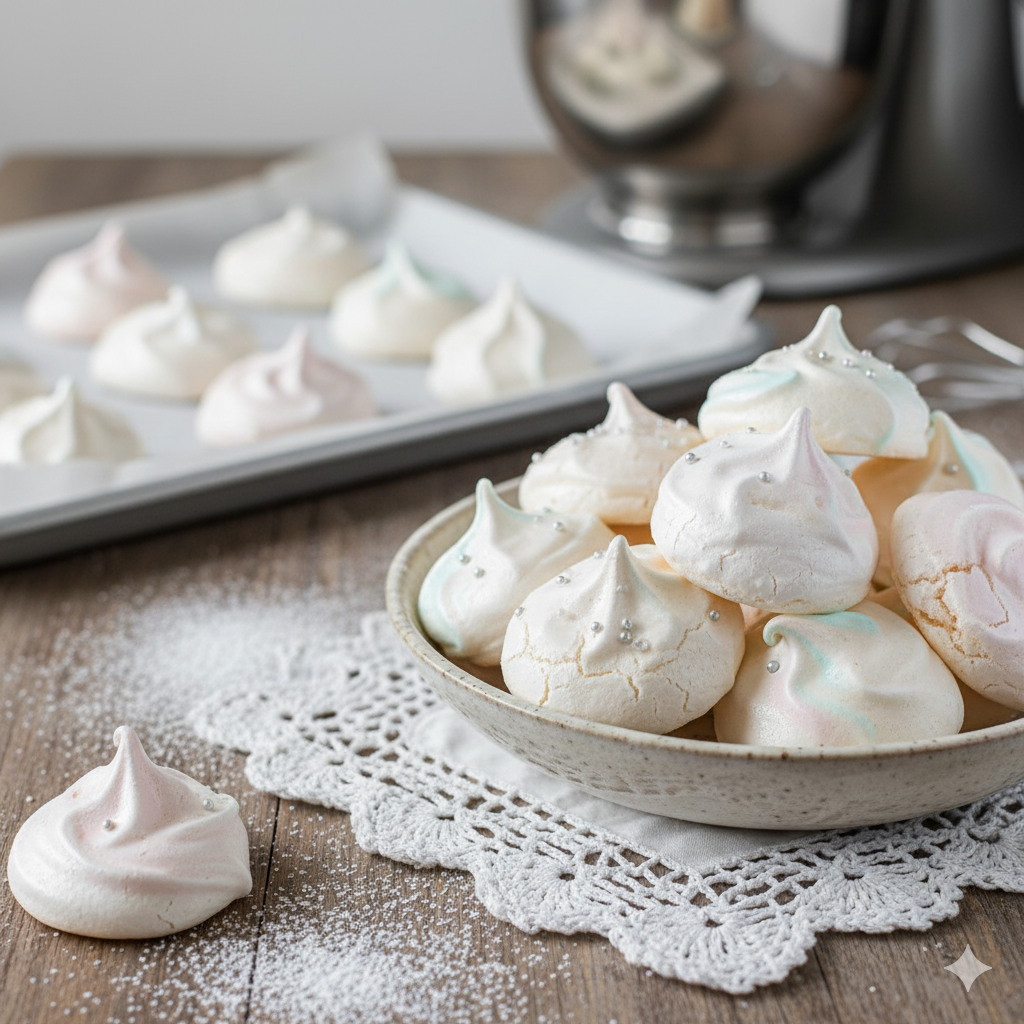
Creating a great meringue recipe involves understanding the essential ingredients and preparation tips, as well as avoiding common mistakes. By mastering the perfect meringue technique, you’ll be confident in your ability to make delicious meringue desserts.
Key Takeaways
- Understand the essential ingredients for a great meringue
- Learn preparation tips for achieving perfect peaks
- Avoid common mistakes that can ruin your meringue
- Master the technique for creating light, airy meringues
- Gain confidence in making delicious meringue desserts
Understanding Meringue: What Is It?
At its core, meringue is a simple yet versatile confectionery made from egg whites and sugar. It’s a crucial component in many desserts, ranging from meringue cookies to elaborate pavlovas. The beauty of meringue lies in its ability to be both delicate and sturdy, making it a favorite among bakers.
Types of Meringue
There are three primary types of meringue: French, Swiss, and Italian. Each type has its unique characteristics and uses in baking.
- French Meringue: The simplest to prepare, French meringue is often used in cookies and pavlovas. It’s made by gradually adding sugar to egg whites while whipping.
- Swiss Meringue: This type involves heating the egg whites and sugar over a double boiler before whipping. It’s more stable and commonly used in buttercreams and frostings.
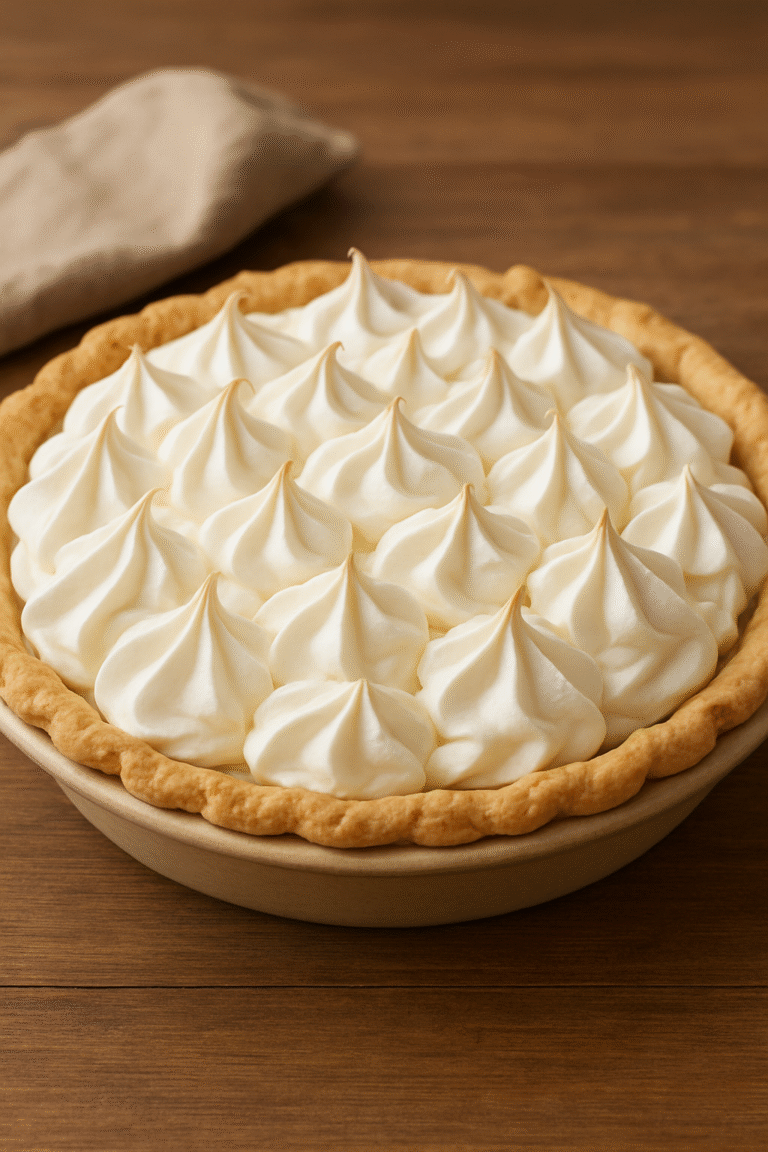
- Italian Meringue: Made by slowly pouring a hot sugar syrup into whipping egg whites, Italian meringue is the most stable of the three. It’s often used in desserts like lemon meringue pie.
| Type of Meringue | Method of Preparation | Common Uses |
|---|---|---|
| French Meringue | Gradually add sugar to egg whites while whipping | Cookies, Pavlovas |
| Swiss Meringue | Heat egg whites and sugar over a double boiler before whipping | Buttercreams, Frostings |
| Italian Meringue | Slowly pour hot sugar syrup into whipping egg whites | Lemon Meringue Pie, Desserts |
Common Uses for Meringue
Meringue is incredibly versatile and can be used in a variety of desserts. From topping pies to creating meringue-based cookies, its applications are vast. Baking with meringue can elevate your desserts, adding a light and airy texture that’s hard to resist.
Some popular uses include making fluffy meringue-topped pies, creating meringue cookies, and using meringue as a topping for cakes and pavlovas. With meringue tips and tricks, you can achieve perfect peaks every time, ensuring your baked goods stand out.
Essential Ingredients for Meringue
Making perfect meringue peaks starts with understanding the essential ingredients. The quality and type of ingredients used can significantly affect the stability and texture of the meringue.
Eggs: The Star Ingredient
Eggs, specifically egg whites, are the foundation of meringue. They provide the structure and stability necessary for achieving stiff peaks.
The freshness and temperature of the egg whites can impact the meringue’s volume and stability. Using room temperature egg whites is recommended for better volume and more stable peaks.
Sugar: Choosing the Right Type
Sugar not only adds sweetness but also helps stabilize the egg whites. Granulated sugar is the most commonly used type, but superfine or caster sugar can also be used for easier dissolution.
| Type of Sugar | Characteristics | Best Use |
|---|---|---|
| Granulated Sugar | Common, easy to find | General meringue recipes |
| Superfine/Caster Sugar | Dissolves easily, reduces grittiness | Delicate meringue desserts, Italian meringue |
| Powdered Sugar | Smooth texture, can contain cornstarch | Meringue-based frostings, decorative elements |
Additional Flavors and Stabilizers
Additional flavors such as vanilla or almond extract can enhance the taste of meringue. Stabilizers like cream of tartar help achieve stiff peaks by adjusting the pH of the egg whites, making them more stable.
Using the right ingredients is crucial for making successful meringue. Experimenting with different types of sugar and flavorings can help you find the perfect combination for your dessert.
Preparation Tips for Success
To achieve perfect meringue, preparation is key. Before diving into the whipping process, it’s essential to understand that having the right ingredients and equipment is crucial for success.
Using a clean, dry bowl and beaters is crucial to prevent any fat from interfering with the egg whites. This simple step can make a significant difference in the quality of your meringue. Ensuring that your equipment is free from any residual fat or moisture will help in achieving the desired consistency.
Equipment You’ll Need
Having the right equipment can make the process easier and more efficient. A stand mixer or hand mixer is highly recommended for whipping egg whites to the desired consistency. If you don’t have a mixer, you can also use a whisk, although this will require more elbow grease. The key is to choose a tool that you’re comfortable with and that can handle the task.
It’s also worth noting that the material of your bowl can affect the whipping process. A stainless steel or glass bowl is ideal because it doesn’t retain fat or oils, which can interfere with the egg whites. Avoid using plastic bowls as they can retain fat and other residues.
Room Temperature vs. Cold Ingredients
Room temperature egg whites whip up faster and to a greater volume than cold egg whites. This is because the proteins in the egg whites are more relaxed at room temperature, making it easier for them to incorporate air. To bring your eggs to room temperature quickly, you can submerge them in warm water for a few minutes.
Using room temperature ingredients is a simple yet effective tip for achieving the perfect meringue. It’s a small step that can significantly impact the final result, making your meringue lighter and fluffier.
How to Whip Egg Whites to Perfection
Achieving stiff peaks in egg whites is a delicate process that requires attention to detail. The quality of your meringue depends significantly on how well you whip the egg whites. In this section, we will guide you through the steps to whip egg whites to perfection.
The Right Mixing Bowl
The choice of mixing bowl can affect the outcome of your egg whites. It’s recommended to use a stainless steel or glass bowl because these materials are less likely to retain grease or other residues that can prevent egg whites from whipping properly. Avoid using plastic bowls as they can retain oils that interfere with the whipping process.
“The bowl you choose can make or break your meringue. Stick with stainless steel or glass for the best results.”
Achieving Soft Peaks
To achieve soft peaks, start by beating the egg whites until they become frothy. This initial stage is crucial as it lays the foundation for the rest of the whipping process. Gradually add sugar while continuing to beat the egg whites. The mixture will start to thicken and form soft peaks. This stage is characterized by a smooth, shiny appearance and a peak that folds over when the beaters are lifted.
- Begin with room temperature egg whites for better volume.
- Beat the egg whites until frothy before adding sugar.
- Gradually add sugar while continuing to whip.
Transitioning to Stiff Peaks
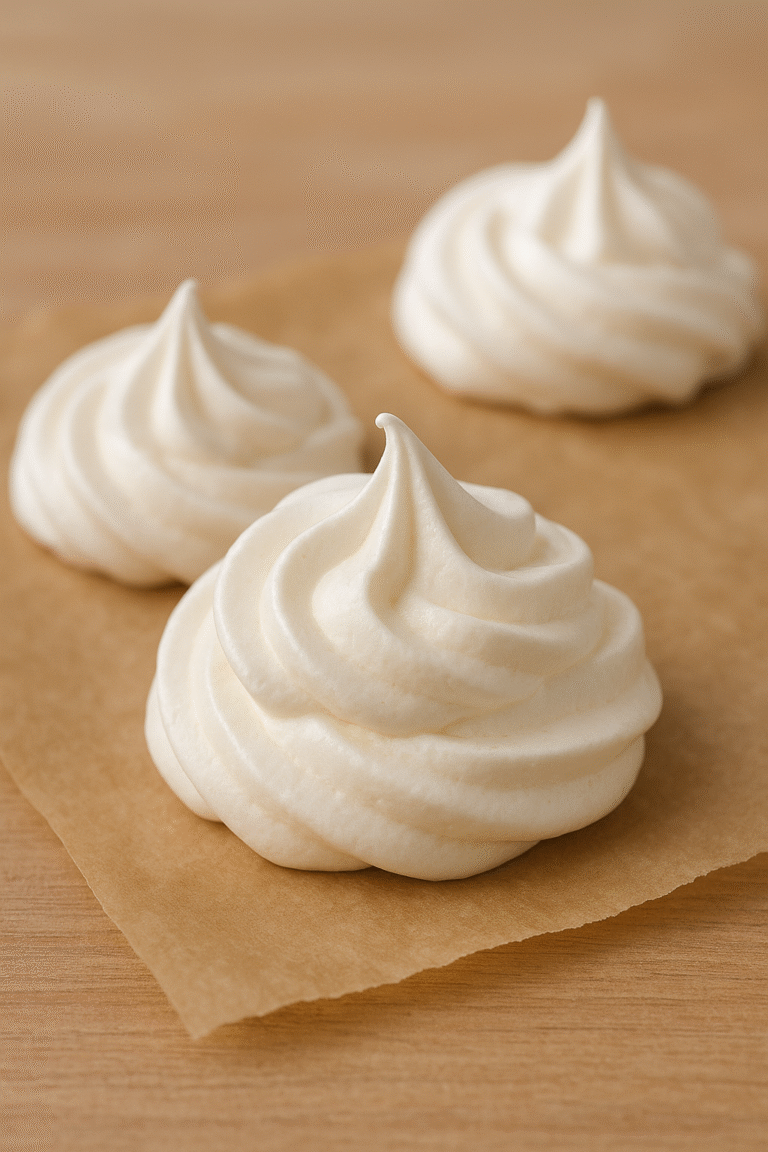
To transition from soft peaks to stiff peaks, continue whipping the egg whites while keeping a close eye on the mixture. Stiff peaks are achieved when the mixture becomes thick and holds its shape firmly. Be cautious not to over-whip, as this can lead to a grainy or separated mixture. The ideal stiff peak stage is when the mixture is smooth, glossy, and holds a peak that stands straight up when the beaters are lifted.
| Whipping Stage | Characteristics |
|---|---|
| Frothy | Initial stage where egg whites become bubbly. |
| Soft Peaks | Smooth, shiny appearance; peak folds over. |
| Stiff Peaks | Thick, glossy; peak stands straight up. |
By following these steps and being mindful of the whipping process, you can achieve perfect meringue peaks that will elevate your baked goods.
Avoiding Common Mistakes
The art of making meringue lies not just in following a recipe, but in avoiding the mistakes that can ruin the final product. Even experienced bakers can encounter issues that lead to less-than-desirable results.
Understanding and avoiding these common pitfalls is crucial for achieving perfect meringue peaks. Two of the most significant mistakes involve the whipping process and sugar dissolution.
Over-whipping Egg Whites
Over-whipping egg whites is a common error that can lead to a dry, crumbly texture. When egg whites are whipped too much, they become too stiff and separate, making them unusable for meringue. To avoid this, it’s essential to monitor the whipping process closely and stop when the egg whites have reached the desired consistency.
Tips for whipping egg whites to the right consistency include using room temperature eggs and adding stabilizers like cream of tartar. This helps in achieving a smooth, glossy finish.
Inadequate Sugar Dissolution
Inadequate sugar dissolution is another mistake that can cause meringue to become weepy or grainy. Sugar that hasn’t fully dissolved can lead to a meringue that’s not only unappealing in texture but also in appearance.
To ensure that sugar is fully incorporated, bakers can use a few simple techniques, such as gradually adding sugar to the egg whites while continuously whipping, or checking the mixture between your fingers for any graininess.
By being aware of these common mistakes and taking steps to avoid them, bakers can significantly improve their meringue-making skills and achieve a perfect meringue technique. Whether you’re a novice or an experienced baker, mastering meringue is a matter of practice and attention to detail, making it a rewarding skill to develop.
Baking Meringue: Techniques and Tips
Baking meringue to perfection requires a delicate balance of temperature and time. Achieving the ideal texture, whether you’re making meringue cookies, pavlovas, or topping a pie, depends on understanding the baking process.
When it comes to baking meringue, the oven temperature plays a crucial role. A low oven temperature is generally recommended to dry out the meringue slowly, preventing it from browning or cracking. This technique is essential for creating a crisp exterior and a dry, chewy interior.
Choosing the Right Temperature
The ideal baking temperature for meringue can vary, but most recipes suggest a temperature between 200°F to 250°F (90°C to 120°C). It’s essential to preheat your oven and ensure it’s at the correct temperature before baking.
Tips for Temperature Control:
- Use an oven thermometer to verify the temperature.
- Avoid opening the oven door during the baking process.
- For a more golden meringue, you can slightly increase the temperature towards the end of baking.
Baking Times for Different Styles
The baking time for meringue varies significantly depending on the style and size of your meringue dessert. For instance, meringue cookies might require a shorter baking time compared to a pavlova.
| Meringue Style | Baking Time | Temperature |
|---|---|---|
| Meringue Cookies | 1-2 hours | 200°F (90°C) |
| Pavlova | 1.5-3 hours | 250°F (120°C) |
| Meringue Pie Topping | 10-15 minutes | 375°F (190°C) |
As Julia Child once said, “The only time to eat diet food is while you’re waiting for the steak to cook.” This quote humorously highlights the joy of indulging in perfectly baked meringue desserts.
By mastering the techniques of baking meringue, including choosing the right temperature and understanding baking times for different styles, you’ll be well on your way to creating delicious meringue-based desserts.
Creative Meringue Variations
Meringue is not just a topping, it’s a versatile ingredient that can be used in a multitude of creative ways. Whether you’re looking to elevate your desserts or experiment with new recipes, meringue offers a world of possibilities.
Swiss Meringue Buttercream
One of the most popular uses for meringue is in Swiss Meringue Buttercream, a rich and creamy frosting that’s perfect for cakes and cupcakes. This buttercream is made by whipping egg whites and sugar into a meringue, then incorporating butter and flavorings. The result is a light, airy texture that’s both stable and delicious.
To make Swiss Meringue Buttercream, you’ll need:
- 3 large egg whites
- 1 cup granulated sugar
- 1/2 cup unsalted butter, softened
- Flavorings such as vanilla or almond extract
The process involves heating the egg whites and sugar over a double boiler, whipping them into a meringue, then slowly adding the butter until fully incorporated.
Meringue Kisses and Cookies
Meringue kisses and cookies are delightful treats that can be flavored and colored in numerous ways. These small meringue-based confections are perfect for snacking or as a decorative element for larger desserts.
| Meringue Type | Flavorings | Baking Time |
|---|---|---|
| Meringue Kisses | Vanilla, Almond | 1-2 hours |
| Meringue Cookies | Lemon, Chocolate | 2-3 hours |
By experimenting with different flavorings and colors, you can create a variety of meringue kisses and cookies to suit any occasion.
Storing and Serving Meringue
To keep your meringue desserts fresh and delicious, it’s essential to understand the best storage and serving practices. Meringue-based desserts are sensitive to humidity and temperature, which can affect their texture and appearance.
Ideal Storage Conditions
Storing meringue desserts requires careful consideration to maintain their quality. It’s recommended to store them in airtight containers to prevent moisture from affecting their texture. Here are some key storage tips:
- Keep meringue desserts away from direct sunlight and heat sources.
- Store them in a cool, dry place, such as a pantry or cupboard.
- Avoid storing meringue in humid environments, as this can cause them to become soggy.
| Storage Method | Duration | Notes |
|---|---|---|
| Airtight Container at Room Temperature | Up to 3 days | Keep away from direct sunlight |
| Refrigerated | Up to 5 days | Allow to come to room temperature before serving |
Best Serving Suggestions
Serving meringue desserts can be a creative process. You can top pavlovas with fresh fruit, use meringue cookies as decorative elements for cakes, or simply serve them as is. The key is to present them in a way that highlights their texture and flavor.
Some popular serving suggestions include:
- Topping with whipped cream and fresh fruit
- Using as a base for desserts like pavlova
- Serving as a crunchy snack on its own
By following these storage and serving tips, you can ensure that your meringue desserts remain delicious and visually appealing, perfect for any occasion.
Troubleshooting Meringue Issues
Troubleshooting meringue problems is an essential skill for any baker, ensuring your desserts turn out perfectly every time. Even with the best techniques, issues can arise when making meringue. Knowing how to address these problems can save your dessert and provide valuable lessons for future baking endeavors.
Runny Meringue: Causes and Solutions
A runny meringue can be a sign of under-whipping or inadequate sugar. If your meringue is too runny, it’s likely because the egg whites were not whipped to the correct consistency or the sugar did not fully dissolve. To fix this, you can try whipping the mixture again until it reaches stiff peaks. Ensure that you’re using room temperature egg whites and that your mixing bowl is clean and free of grease.
Tips to Avoid Runny Meringue:
- Use room temperature egg whites.
- Whip the egg whites until they form stiff peaks.
- Gradually add sugar while continuously whipping.
Fixing Cracked Meringue
Cracked meringue can result from sudden temperature changes or over-baking. If your meringue cracks, don’t worry; there are ways to fix it. For minor cracks, you can cover the meringue with whipped cream or fruit to conceal the imperfections. For more significant cracks, consider using the meringue as a component in a dessert, such as a meringue-based ice cream or as a topping for a cake.
| Issue | Cause | Solution |
|---|---|---|
| Runny Meringue | Under-whipping, inadequate sugar | Whip to stiff peaks, ensure room temperature egg whites |
| Cracked Meringue | Sudden temperature changes, over-baking | Conceal with whipped cream or fruit, use in desserts |
By understanding the causes of common meringue issues and knowing how to troubleshoot them, you can improve your baking skills and achieve perfect meringue peaks every time.
Final Thoughts: Mastering Meringue
Mastering the art of meringue is a journey that requires patience, practice, and a willingness to experiment. As you’ve learned through this article, achieving perfect meringue technique involves understanding the basics, avoiding common mistakes, and refining your skills through trial and error.
Practicing for Perfection
The more you practice making meringue, the more confident you’ll become in your ability to create beautiful and delicious desserts. With each attempt, you’ll refine your technique, learning how to adjust ingredients, temperature, and baking time to achieve the desired results.
Exploring New Flavors and Techniques
As you become more comfortable with the basics, we encourage you to try new flavors and ingredients, exploring the endless possibilities of baking with meringue. From classic lemon to innovative flavor combinations, the world of meringue is full of creative possibilities. By incorporating meringue tips and tricks into your baking routine, you’ll be well on your way to creating stunning desserts that impress friends and family.