How to Make Meringue for Pie
Meringue for pie is a classic topping for pies, adding a light, airy texture and a touch of sweetness. Making meringue is a straightforward process that requires some basic ingredients and techniques.
With the right guidance, anyone can learn to craft perfect meringue for their pie. In this article, we’ll walk you through the steps to create a beautiful and delicious homemade meringue.
Key Takeaways
- Basic ingredients are required to make meringue.
- Techniques are crucial for a perfect meringue topping.
- Homemade meringue can be customized to your taste.
- A light and airy texture is achieved with proper meringue preparation.
- Meringue is a versatile topping for various pie fillings.
What is Meringue and Why Use It for Pie?
For many bakers, meringue is the crowning glory of a pie, adding both visual appeal and flavor. Meringue is a topping made from egg whites and sugar, whipped together to create a light and airy texture. It’s a versatile topping that can be used in various pie recipes, from classic lemon meringue to chocolate meringue pie.
Using meringue as a topping for pie not only adds a decorative touch but also enhances the flavor profile. The sweetness of the meringue can balance out the tartness of fillings like lemon or orange, creating a well-rounded taste experience. Moreover, meringue can be toasted to a golden brown perfection, adding a crunchy texture that contrasts beautifully with the softer filling.
Different Types of Meringue
There are three main types of meringue: French, Italian, and Swiss. Each type has its unique characteristics and uses in baking.
- French Meringue: Made by whipping egg whites and sugar until stiff peaks form. It’s the simplest and most common method.
- Italian Meringue: Involves slowly pouring hot sugar syrup into whipped egg whites, creating a stable and smooth meringue.
- Swiss Meringue: Egg whites and sugar are heated over a double boiler and then whipped until cool and stiff.
For a meringue recipe for pie, French meringue is often the go-to choice due to its simplicity and effectiveness.
Advantages of Meringue Topping
Meringue topping offers several advantages when used on pies. Not only does it add a visually appealing finish, but it also provides a textural contrast that can elevate the overall dining experience. Furthermore, meringue can be flavored in various ways to complement or contrast with the filling, offering a lot of creative freedom.
When aiming for the best meringue for pie, bakers often look for a meringue that’s both stable and flavorful. Achieving the right balance can make all the difference in the quality of the final product.
“A good meringue is like a good soufflé – it’s all about the technique and the quality of the ingredients.”
By understanding the different types of meringue and their advantages, bakers can choose the best meringue recipe for their pie, ensuring a delicious and visually appealing dessert.
Essential Ingredients for Meringue
Meringue is a simple yet finicky topping made from a few key ingredients. The quality of these components can significantly affect the final product’s texture and stability.
Eggs: Choosing the Right Type
Eggs are a crucial component of meringue, with egg whites being the primary ingredient. It’s essential to use fresh, cold eggs for the best results. The proteins in egg whites help to strengthen the meringue’s structure. When selecting eggs, opt for those with large or extra-large whites, as they yield more volume.
Sugar: Granulated vs. Confectioners’
Sugar not only adds sweetness but also helps stabilize the egg whites. There are two common types of sugar used in meringue recipes: granulated and confectioners’. Granulated sugar is more commonly used due to its availability and effectiveness. However, confectioners’ sugar can be used for a finer texture, as it dissolves more easily. The choice between the two often comes down to personal preference and the desired texture.
Cream of Tartar: A Key Component
Cream of tartar is an acidic ingredient that plays a vital role in stabilizing the egg whites and helping to achieve stiff peaks. It works by adjusting the pH level of the egg whites, making them more stable when whipped. Adding cream of tartar can make a significant difference in the meringue’s texture and its ability to hold its shape.
Tools You’ll Need
Making meringue requires more than just ingredients; it demands the right equipment. Having the appropriate tools not only simplifies the process but also ensures that your meringue turns out perfectly. In this section, we’ll explore the essential tools you’ll need to make a perfect meringue for pie.
Mixing Bowls and Whisks
A large, clean mixing bowl is crucial for whipping egg whites. It’s recommended to use a stainless steel or glass bowl, as these materials don’t retain oils or odors, which can affect your meringue. A whisk, especially a balloon whisk, is ideal for incorporating air and mixing the egg whites and sugar thoroughly.
Electric Mixer vs. Hand Mixer
An electric mixer, either stand or handheld, is a valuable tool for whipping egg whites to the right consistency. While a hand mixer is more portable and easier to clean, a stand mixer offers more power and hands-free operation. For large batches or frequent meringue making, a stand mixer might be the better choice.
| Mixer Type | Advantages | Disadvantages |
|---|---|---|
| Stand Mixer | Powerful, hands-free | Bulkier, more expensive |
| Hand Mixer | Portable, easy to clean | Less powerful, requires manual holding |
Baking Sheets and Parchment Paper
For baking your meringue, you’ll need a baking sheet. Line it with parchment paper to prevent the meringue from sticking. This makes removal easier and cleanup a breeze. Ensure your baking sheet is flat and not warped to achieve an evenly baked meringue, following meringue pie tips for the best results.
Steps to Prepare Your Ingredients
The key to a successful meringue lies in the preparation of its ingredients. Proper preparation ensures that your meringue turns out light, fluffy, and stable. In this section, we’ll walk you through the essential steps to prepare your ingredients for making a great homemade meringue for pie.
Preparing Egg Whites
To start, you’ll need to separate your egg whites from the yolks. It’s crucial to do this carefully, as any trace of yolk in the whites can prevent them from whipping up properly. Use a clean and dry bowl and utensils to avoid contamination. Ensure that your eggs are at room temperature, as this helps in achieving better volume when whipping.
Here’s a simple way to separate eggs:
- Crack the egg gently and pass the yolk back and forth between the two halves of the shell, allowing the white to drip into a bowl below.
- Continue until all the white is separated from the yolk.
- Inspect the egg white for any yolk traces and transfer it to another bowl if you’re using it immediately.
Measuring Sugar Accurately
Measuring your sugar accurately is vital for achieving the right consistency and flavor in your meringue. Too little sugar can result in a meringue that’s too soft or weeps, while too much can make it overly sweet and potentially grainy. Use a digital scale for the most accurate measurement. If you’re using cups, make sure to level them off properly to avoid any discrepancies.
Some tips for measuring sugar accurately include:
- Using a digital kitchen scale to weigh your sugar.
- Sifting your sugar before measuring to remove any lumps.
- Leveling off your measuring cups with a straight edge.
By following these steps, you’ll be well on your way to creating a delicious and visually appealing homemade meringue for pie. Properly prepared ingredients lay the groundwork for a successful baking process, ensuring that your meringue is both tasty and aesthetically pleasing.
How to Whip Egg Whites Perfectly
To create a meringue that’s both stable and fluffy, you need to whip the egg whites to the right consistency. Whipping egg whites is a crucial step that requires attention to detail and a bit of patience.
Before you start whipping, ensure your egg whites are at room temperature. This simple step makes a significant difference in the whipping process, as cold egg whites will not whip up as well. As Julia Child once said, “The only time to eat diet food is while you’re waiting for the steak to cook.” In the context of meringue, the right preparation is just as important as the ingredients themselves.
Achieving Soft Peaks
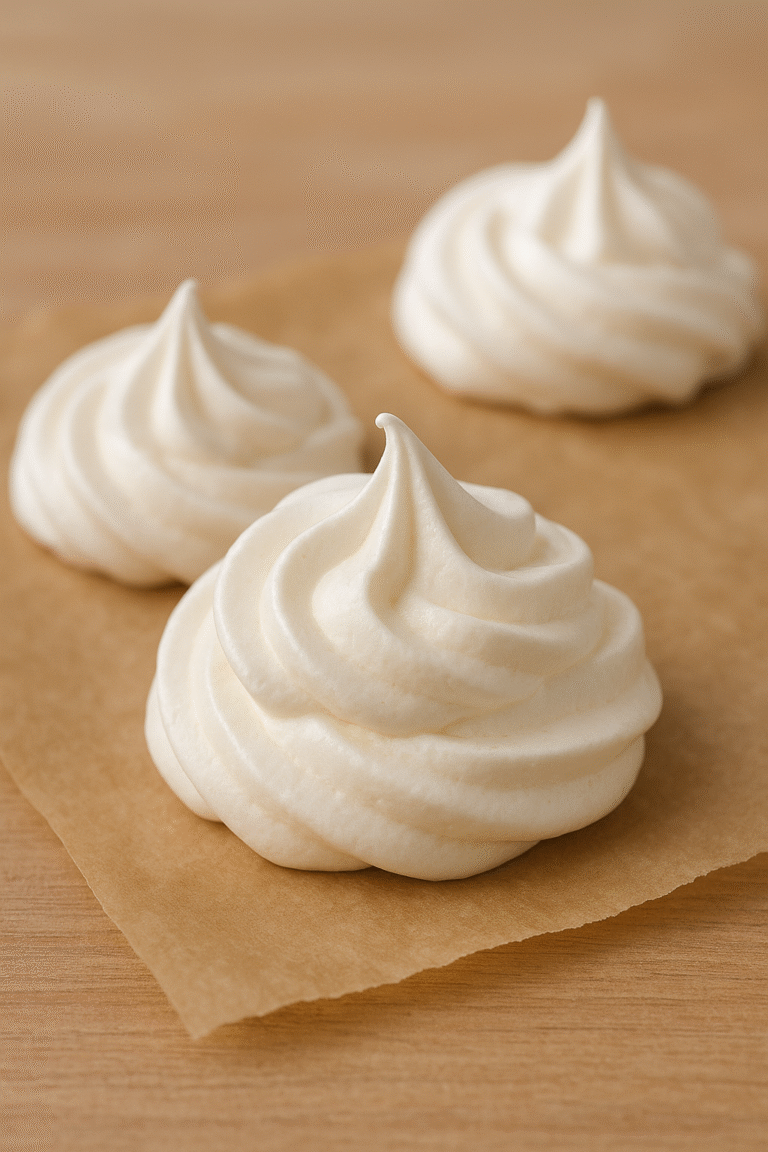
Soft peaks are the initial stage of whipping egg whites, where they become frothy and start to hold their shape. To achieve soft peaks, begin whipping the egg whites on a low speed until they become frothy. Gradually increase the speed, and you’ll notice the egg whites starting to thicken. Soft peaks are ideal when you’re looking to fold the egg whites into another mixture.
Achieving Stiff Peaks
Stiff peaks are the ultimate goal when making meringue. To achieve stiff peaks, continue whipping the egg whites beyond the soft peak stage. You’ll notice the mixture becoming thicker and more stable. Be cautious not to over-whip, as this can lead to a grainy texture. As a general rule, stop whipping once you see stiff peaks that hold their shape firmly.
Whipping egg whites perfectly is a skill that improves with practice. Don’t be discouraged if it doesn’t turn out as expected the first time. With time and patience, you’ll master the technique and be able to create beautiful, stable meringues for your pies.
How to Add Sugar Gradually
To achieve a smooth and glossy meringue, it’s essential to add sugar slowly. This gradual incorporation of sugar not only enhances the texture but also ensures that your meringue is stable and perfect for topping your pie.
Tips for Incorporating Sugar
When adding sugar to your egg whites, it’s crucial to do so gradually while continuously whipping the mixture. This process helps to prevent the formation of sugar crystals, which can give your meringue a grainy texture. Here are some tips to keep in mind:
- Add sugar in small increments, allowing each addition to be fully incorporated before adding more.
- Use a high-quality granulated sugar that dissolves easily.
- Whip the mixture long enough to ensure that the sugar is fully dissolved and the mixture is smooth and glossy.
Avoiding Crystallization
Crystallization can occur if the sugar is not fully dissolved during the whipping process. To avoid this, ensure that you are whipping your meringue mixture long enough. You can test for dissolved sugar by rubbing a small amount of the mixture between your fingers; if it feels grainy, continue whipping until it feels smooth.
Here’s a comparison table to help you understand the differences between proper and improper sugar incorporation:
| Characteristics | Proper Sugar Incorporation | Improper Sugar Incorporation |
|---|---|---|
| Texture | Smooth and glossy | Grainy or weeping |
| Stability | Stable and holds shape | Unstable, collapses or weeps |
| Appearance | Visually appealing, shiny | Dull, may have sugar crystals visible |
By following these tips and understanding the importance of gradual sugar addition, you can create an easy meringue pie topping that is both delicious and visually appealing.
Flavoring Your Meringue
Flavoring your meringue is a simple way to add depth to your pie. By incorporating different flavors, you can create a unique and delicious dessert that stands out. Whether you’re making a classic lemon meringue pie or experimenting with new flavors, the right flavor additions can make all the difference.
Common Flavor Additions
Some of the most popular flavors for meringue include vanilla, almond extract, and citrus zests. Vanilla is a classic choice, providing a subtle, creamy flavor that complements many fillings. Almond extract, on the other hand, adds a distinct nutty flavor that’s perfect for certain fruit pies. Citrus zests, like lemon or orange, can add a bright, tangy flavor that cuts through the richness of the meringue.
When choosing a flavor, consider the filling and the overall character you want your pie to have. For example, a lemon meringue pie pairs perfectly with a hint of lemon zest in the meringue, enhancing the citrus flavor. For a more traditional taste, a touch of vanilla can be all you need.
Using Extracts and Zests
Extracts and zests are powerful flavor enhancers. When using extracts, start with a small amount (about 1/4 teaspoon per 3 egg whites) and adjust to taste. This is because extracts are highly concentrated and can quickly overpower the other flavors. For zests, use a fine grater to avoid including the bitter white pith. A tablespoon or two of freshly grated zest can be enough to impart a nice flavor.
To incorporate extracts or zests into your meringue, add them during the whipping process, usually after you’ve achieved soft peaks. This ensures that the flavor is evenly distributed throughout the meringue. For the best meringue for pie, it’s all about balance – you want the flavor to enhance, not overpower, the other components.
- Start with small amounts of extract or zest.
- Taste as you go and adjust the flavor.
- Consider the filling and overall pie character when choosing flavors.
Baking Your Meringue
Baking your meringue is a crucial step in creating the perfect meringue for pie. The baking process gives meringue a crispy texture that many people associate with traditional meringue-based desserts.
There are two primary methods to consider when making meringue: baking and no-bake. Understanding the difference between these methods is essential to achieving the desired texture and consistency.
Baking vs. No-Bake Meringue
Baking meringue involves placing it in a preheated oven at a low temperature. This method is ideal for creating a crispy exterior and a dry, stable meringue. On the other hand, no-bake meringue remains soft and is often used in desserts where a gooey meringue is desired.
The choice between baking and no-bake meringue depends on the type of pie you’re making and your personal preference. For a classic lemon meringue pie, baking the meringue is usually the preferred method.
Ideal Oven Temperatures and Times
To bake meringue to perfection, it’s crucial to use the right oven temperature and baking time. A low oven temperature, typically around 300°F to 325°F (150°C to 165°C), is recommended to prevent the meringue from browning too quickly or burning.
- Temperature: 300°F to 325°F (150°C to 165°C)
- Baking Time: 15 to 20 minutes, or until the meringue is golden brown
Keep an eye on your meringue while it’s baking, as the baking time may vary depending on your oven and the size of your meringue.
Troubleshooting Common Meringue Issues
Creating the perfect meringue topping requires precision and patience, as several common issues can arise. Even with careful preparation, meringue can sometimes fail to turn out as expected, leading to frustration. In this section, we will address some of the most common problems encountered when making meringue and provide practical solutions.
Grainy Texture Remedies
A grainy texture in meringue is often due to undissolved sugar. To avoid this, ensure that you are using superfine sugar, which dissolves more easily than granulated sugar. Additionally, make sure to whip the egg whites until they reach the stiff peak stage before gradually adding sugar.
If your meringue still turns out grainy, you can try baking it at a lower temperature for a longer period to help dissolve the sugar. Another remedy is to re-whip the meringue with a bit more egg white until the grainy texture is resolved.
Preventing Weeping or Liquifying
Weeping or liquifying meringue is usually caused by underbaking or high humidity. To prevent this, ensure that your meringue is baked until it is dry and crisp. If you’re experiencing weeping, check your oven temperature with an oven thermometer to ensure it’s not too high.
Another strategy is to make sure the filling is not too hot when you top it with meringue, as this can cause the meringue to weep. Using a layer of cooled filling or letting the pie cool slightly before adding the meringue can help mitigate this issue.
| Issue | Cause | Remedy |
|---|---|---|
| Grainy Texture | Undissolved sugar | Use superfine sugar, whip until stiff peaks form |
| Weeping or Liquifying | Underbaking, high humidity | Bake until dry and crisp, check oven temperature |
Storing Leftover Meringue
Storing leftover meringue properly is crucial to maintaining its texture and freshness. Whether you’ve made a fluffy meringue recipe for a pie or as a topping, knowing how to store it correctly can make all the difference.
Best Practices for Storage
To keep your meringue fresh, it’s essential to store it in an airtight container. This prevents moisture from entering and causing the meringue to become soggy or weep. You can store meringue at room temperature or in the refrigerator, depending on how soon you plan to use it.
For short-term storage (up to 2 days), an airtight container at room temperature is sufficient. For longer storage, consider refrigerating the meringue. Ensure it’s wrapped tightly in plastic wrap or aluminum foil to prevent drying out.
| Storage Method | Duration | Notes |
|---|---|---|
| Room Temperature | Up to 2 days | Airtight container |
| Refrigerator | Up to 5 days | Wrap tightly in plastic wrap or foil |
How Long Does Meringue Last?
The shelf life of meringue depends on the storage method. Generally, meringue can last for several days when stored properly. As Julia Child once said, “The only time to eat diet food is while you’re waiting for the steak to cook.” Enjoy your meringue within the recommended timeframe for the best taste and texture.
“Meringue is a versatile dessert component that can be used in various creative ways, from toppings to standalone cookies.” –
For a fluffy meringue recipe, it’s best to consume it within a day or two for optimal freshness. If you’re storing it for later use, make sure to check on it periodically for any signs of deterioration.
Pie Assembly with Meringue
Creating a stunning meringue pie involves more than just topping your pie with meringue. It requires a delicate touch and an understanding of how to balance flavors and textures. In this section, we’ll guide you through the process of assembling your pie with meringue, ensuring a beautiful and delicious finish.
Layering Meringue on Your Pie
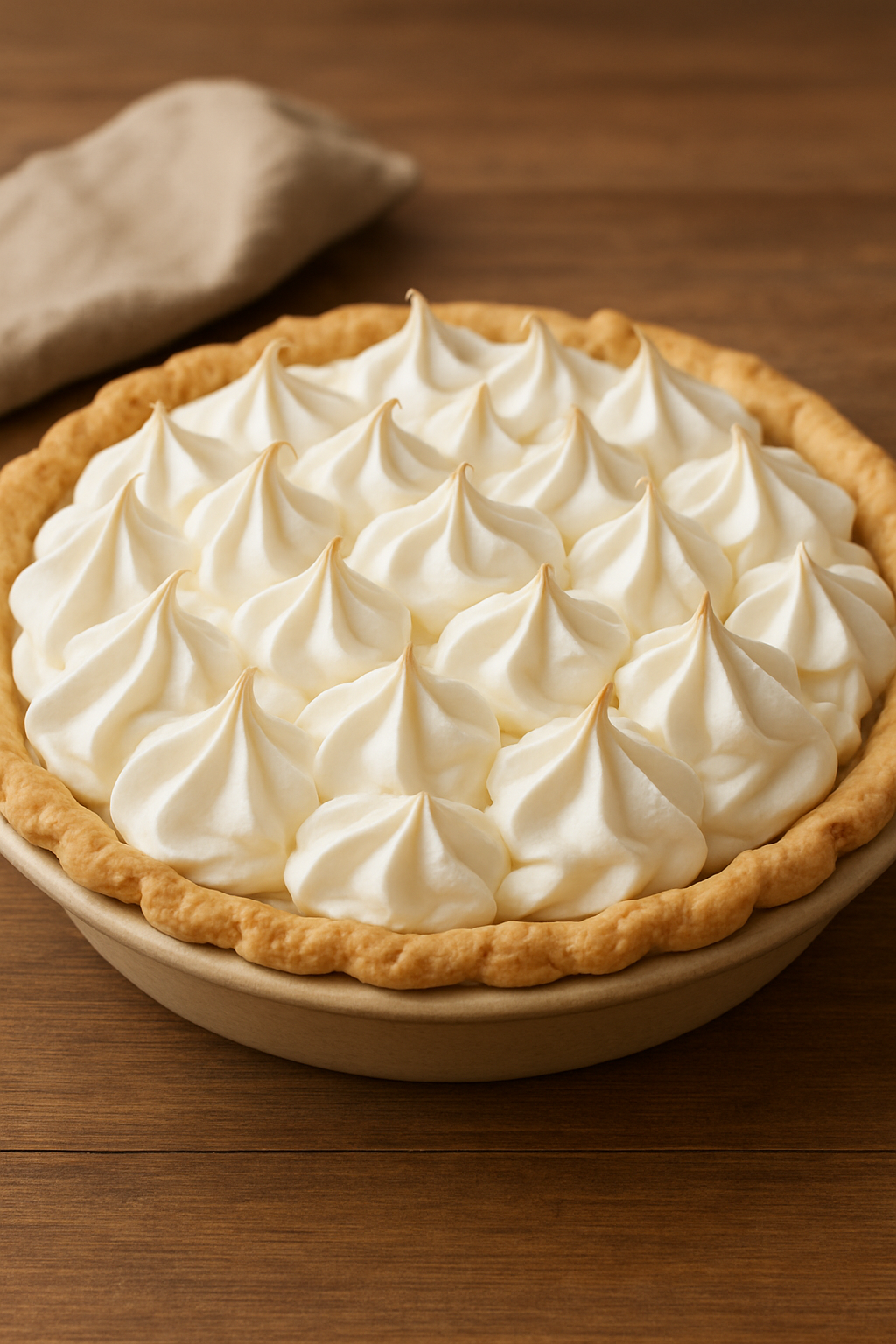
When layering meringue on your pie, it’s essential to spread it evenly to avoid any gaps or unevenness. Start by spooning the meringue onto the filling, making sure to seal the edges by spreading the meringue to the pie crust’s edges. This prevents the meringue from shrinking away during baking.
Use a spatula or the back of a spoon to create peaks and swirls in the meringue, adding a decorative touch to your pie.
Toasting for a Golden Finish
To achieve a golden finish, you’ll need to toast the meringue in the oven. Preheat your oven to 350°F (175°C), and bake for 10-15 minutes, or until the meringue is golden brown. Keep an eye on it to prevent over-browning.
As
“The perfect meringue pie is not just about the filling or the crust, but how these elements come together under a beautifully toasted meringue topping.”
, achieving that perfect golden brown color can elevate your pie from great to extraordinary.
Tips for Serving Meringue Pie
Serving meringue pie can be a delightful experience, especially when paired with the right accompaniments. To elevate your dessert game, consider serving your meringue pie with a cup of freshly brewed coffee or a glass of cold milk.
Ideal Pairings and Accompaniments
For a classic combination, pair your meringue pie with a fruit salad or a scoop of vanilla ice cream. The creamy texture and sweetness of the ice cream complement the light, airy meringue perfectly. You can also try pairing it with a fruit-based dessert, such as a lemon or raspberry tart, for a refreshing twist.
Presentation Ideas for Special Occasions
To make your meringue pie a showstopper at special occasions, consider adding some decorative touches. You can top your meringue with toasted nuts or shredded coconut for added texture and visual appeal. For a more elegant look, use a kitchen torch to create a golden-brown finish on your meringue. By following these meringue pie tips, you’ll be sure to impress your guests with a beautifully presented dessert.
With a perfect meringue recipe for pie, you’ll be well on your way to creating a delicious and visually appealing dessert that’s sure to please.