Meringue 101: Easy Steps to Whip Up a Delicious Treat
Welcome to Meringue101, your go-to guide for whipping up a delicious meringue treat. In this comprehensive guide, we will walk you through the easy steps to create a perfect meringue.
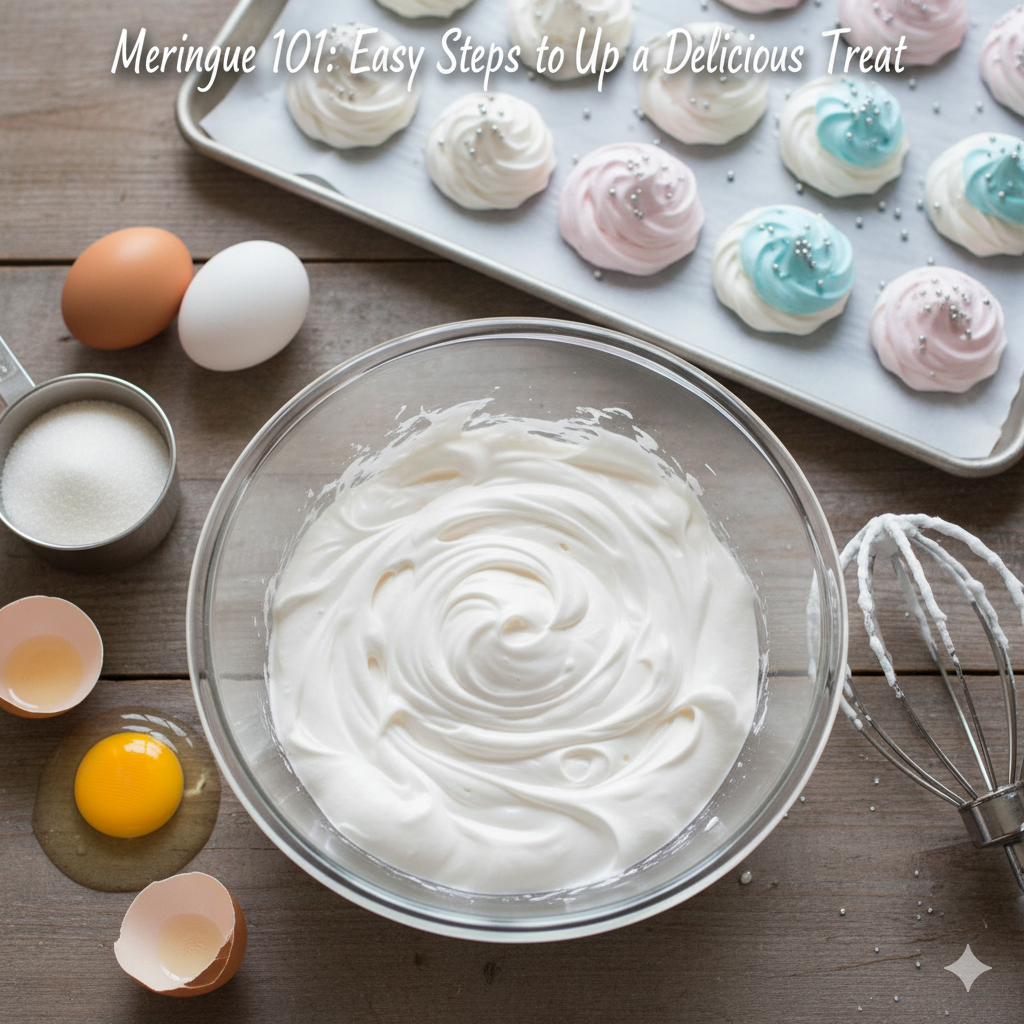
Whether you’re a beginner or an experienced baker, this article will provide you with the knowledge and confidence to master the art of making meringue. We’ll cover the basics, the science behind meringue, and provide you with tips and tricks to achieve the perfect fluffy meringue or crispy meringue shell.
Key Takeaways
- Learn the basics of making meringue
- Understand the science behind meringue
- Get tips and tricks for achieving the perfect meringue texture
- Discover how to make a delicious meringue treat
- Gain confidence in your ability to cook meringue like a pro
What is Meringue?
At its core, meringue is a simple mixture of egg whites and sugar whipped into a light, airy texture. This basic definition belies the complexity and versatility of meringue in baking.
Definition and Basic Ingredients
Meringue is made from whipped egg whites and sugar. The quality of these ingredients is crucial for the success of your meringue. Egg whites provide structure, while sugar adds sweetness and stability.
The basic ingredients are simple, but the technique is key. Ensuring that your egg whites are at room temperature and free from any yolk or other contaminants is vital.
Different Types of Meringue
There are three main types of meringue: French, Swiss, and Italian. Each has its own method of preparation and use in baking.
- French Meringue: Made by whipping egg whites and then adding sugar. It’s the simplest method but requires careful handling to avoid deflation.
- Swiss Meringue: Involves heating the egg whites and sugar over a double boiler before whipping. This method produces a more stable meringue.
- Italian Meringue: Made by slowly pouring hot sugar syrup into whipping egg whites. It’s the most stable form of meringue and is often used in buttercreams and frostings.
Common Uses in Baking
Meringue is a versatile ingredient used in a variety of desserts, from lemon meringue pie to meringue cookies. It’s valued for its light, airy texture and its ability to add volume and sweetness to baked goods.
Some common uses include topping pies and cakes, creating meringue-based cookies, and adding texture to ice creams and desserts.
The Science Behind Meringue
To whip up a meringue that’s both stable and sweet, it’s essential to grasp the underlying science. Meringue’s structure and stability are largely dependent on the interaction between its main components: egg whites and sugar.
The Role of Egg Whites
Egg whites are the foundation of meringue, providing the protein and moisture necessary for its structure. When egg whites are whipped, the proteins unwind and reorganize into a network that traps air, creating the meringue’s signature lightness and texture. The quality of egg whites is crucial; fresher eggs yield better volume and stability due to their higher protein content.
Egg White Composition:
| Component | Function |
|---|---|
| Protein | Provides structure and stability |
| Water | Contributes to moisture content |
Importance of Sugar
Sugar plays a dual role in meringue: it adds sweetness and helps strengthen the structure by stabilizing the egg white foam. Sugar’s hygroscopic nature helps retain moisture, but excessive sugar can make the meringue too sticky. The key is finding the right balance.
The ratio of sugar to egg whites is critical. Too little sugar, and the meringue may not be sweet enough and could collapse; too much sugar, and it becomes overly sticky and difficult to work with.
How Temperature Affects Meringue
Temperature is a critical factor in meringue preparation. Whipping egg whites at room temperature (around 70°F to 75°F) is ideal because it allows for maximum volume and stability. Cold egg whites do not whip up as well, while very warm egg whites can lead to a meringue that’s too runny.
The baking temperature also affects the final product. A low and slow baking process helps to dry out the meringue, making it crispy. The best meringue technique involves baking at a low temperature, typically around 200°F, for an extended period.
Understanding the interplay between egg whites, sugar, and temperature is crucial for mastering the best meringue technique. By balancing these elements, you can create meringues that are not only delicious but also visually appealing.
Tools You’ll Need to Cook Meringue
To cook meringue to perfection, having the right tools is crucial. Whether you’re a seasoned baker or a beginner, the quality of your equipment can significantly impact the outcome of your meringue.
Essential Kitchen Equipment
Certain tools are indispensable when it comes to cooking meringue. A stand mixer or hand mixer is a must-have for whipping egg whites until they form stiff peaks. Additionally, a baking sheet lined with parchment paper is necessary for baking the meringue. This setup prevents the meringue from sticking and makes cleanup easier.
Using a large bowl for whipping egg whites is also recommended, as it gives you more room to maneuver and helps in incorporating air more efficiently. Ensure that your bowl and beaters are clean and free of grease, as any fat can prevent the egg whites from whipping properly.
Optional Tools for Perfection
While the above tools are essential, there are a few optional tools that can help you achieve a crispy meringue shell. A candy thermometer can be useful in monitoring the temperature of your meringue, especially if you’re making a meringue-based dessert that requires precise temperature control.
Some bakers also find a silicone mat helpful, as it provides a non-stick surface and can help in achieving evenly baked meringues. Furthermore, a piping bag can be used to create decorative shapes and designs with your meringue, adding a creative touch to your baked goods.
Preparing Egg Whites for Meringue
To whip up a meringue, you first need to prepare your egg whites correctly. This step is crucial because the quality of your egg whites directly affects the stability and texture of your meringue. In this section, we’ll guide you through the best practices for separating egg whites, achieving the ideal egg white temperature, and maintaining clean equipment.
Best Practices for Separation
Separating egg whites from yolks can be a bit tricky, but it’s essential to do it correctly to avoid contamination with yolk, which can prevent your egg whites from whipping properly. To separate egg whites, gently crack the egg and pass the yolk back and forth between the two halves of the shell, allowing the white to drip into a bowl below. It’s advisable to use a separate bowl for each egg to prevent any yolk from contaminating the entire batch of egg whites.
Tip: Make sure your eggs are cold, as this makes the separation process easier. If you accidentally get some yolk into your whites, it’s best to start over with a new egg to ensure the best results.
Ideal Egg White Temperature
The temperature of your egg whites can significantly impact your meringue. Egg whites at room temperature will whip up to a greater volume than cold egg whites. To bring your egg whites to room temperature, simply leave them on the counter for about 30 minutes before you plan to use them. This simple step can make a big difference in the fluffiness and stability of your meringue.
Tips for Clean Equipment
Cleanliness is key when making meringue. Any fat or grease in your mixing bowl or on your beaters can prevent your egg whites from whipping up properly. To ensure your equipment is clean, wash your bowl and beaters with soap and hot water, and then dry them thoroughly. For an extra layer of assurance, you can wipe your bowl and beaters with a little white vinegar before drying.
Remember: Even a tiny bit of fat can ruin your meringue, so it’s worth taking the extra time to ensure your equipment is spotless.
How to Whip Egg Whites to Stiff Peaks
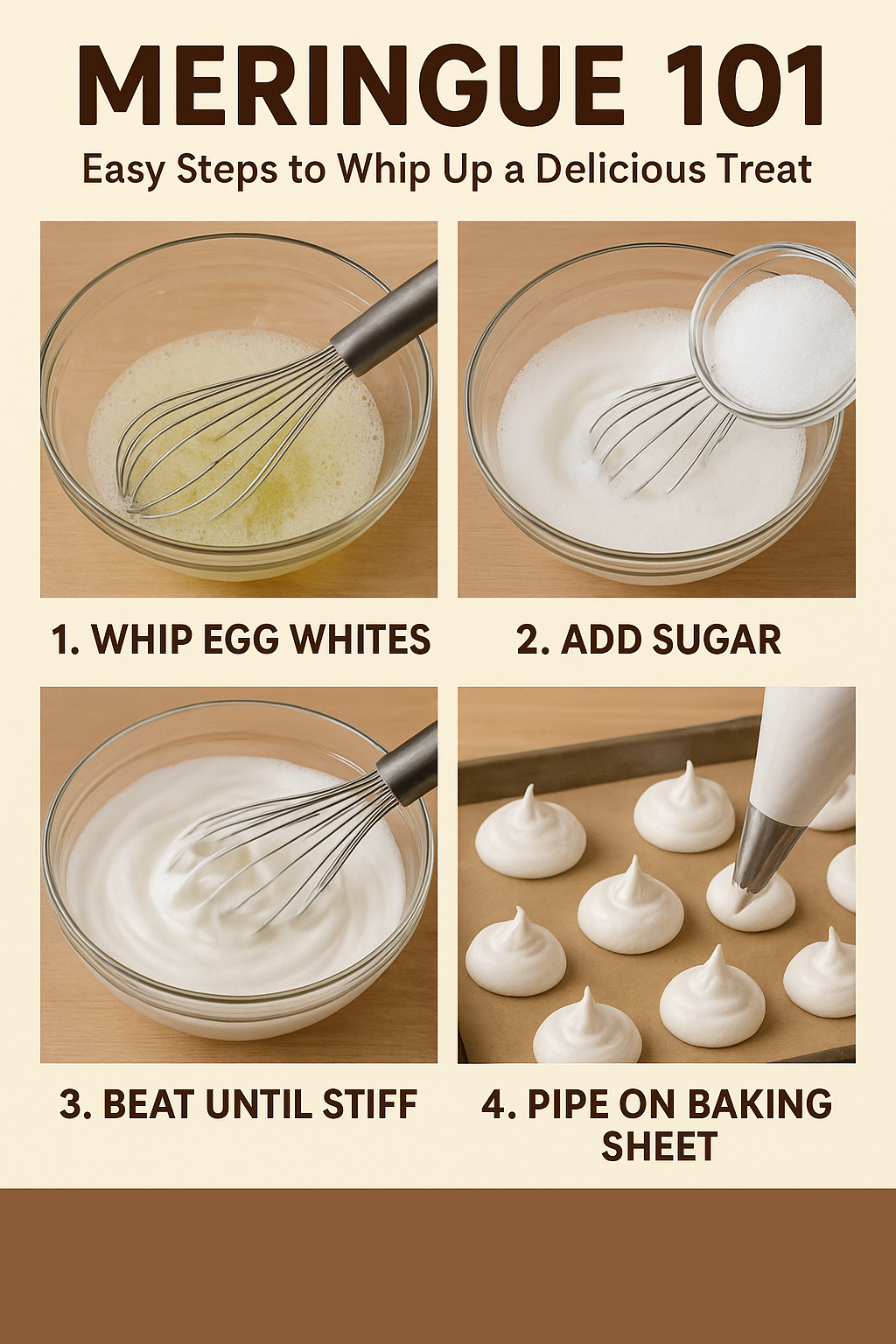
Whipping egg whites to stiff peaks is a simple yet precise process that requires attention to detail. The end result is well worth the effort, as it’s crucial for creating a fluffy meringue that’s perfect for topping pies, cakes, and other desserts.
Step-by-Step Guide to Whipping
To whip egg whites successfully, follow these steps:
- Start with room temperature egg whites. This helps to incorporate air more efficiently.
- Use a clean, dry bowl and beaters. Any fat or residue can prevent the egg whites from whipping properly.
- Begin whipping at a low speed until the egg whites become frothy.
- Gradually increase the speed to high and continue whipping until soft peaks form.
- Keep whipping until the egg whites become stiff and hold their shape.
By following these steps, you’ll be able to achieve the perfect consistency for your meringue, incorporating valuable meringue tips into your baking routine.
Recognizing Stiff Peaks
Stiff peaks are achieved when the egg whites become rigid and hold their shape firmly. To check, stop the mixer and lift some of the egg whites with the beaters. If they stand upright without folding over, they have reached stiff peaks.
| Stage | Description |
|---|---|
| Frothy | Initial stage where egg whites become bubbly. |
| Soft Peaks | Egg whites start to hold shape but are still quite soft. |
| Stiff Peaks | Egg whites are rigid and hold their shape firmly. |
Common Mistakes to Avoid
Several common mistakes can hinder your ability to whip egg whites to stiff peaks:
- Using cold egg whites, which can make whipping more difficult.
- Not ensuring the bowl and beaters are clean and free of fat.
- Over-whipping, which can cause the egg whites to become too stiff and separate.
By being aware of these potential pitfalls, you can take steps to avoid them and ensure your meringue turns out light and fluffy, embodying the essence of a fluffy meringue.
Adding Sugar to Meringue
Meringue’s texture and stability depend significantly on sugar incorporation. The process of adding sugar to egg whites is crucial for achieving the desired consistency and structure in meringue-based desserts.
Timing is Everything: When to Add Sugar
Adding sugar at the right moment is vital. Introduce sugar too early, and it may not incorporate properly; too late, and the egg whites may not stabilize correctly. The ideal time to add sugar is when the egg whites have reached the soft peak stage.
- Soft Peak Stage: Egg whites should be frothy and doubled in volume.
- Gradual Addition: Add sugar gradually while continuously whipping the egg whites.
The Right Sugar for the Job: Types of Sugar to Use
The type of sugar used can affect the meringue’s texture and flavor. While granulated sugar is the most commonly used, other types like superfine or caster sugar can also be effective due to their finer texture.
- Granulated Sugar: Standard choice for most meringue recipes.
- Superfine/Caster Sugar: Dissolves more easily, reducing the risk of grainy texture.
Incorporating Sugar Properly
To incorporate sugar properly, it’s essential to do so gradually and with continuous whipping. This ensures that the sugar is evenly distributed and that the meringue achieves the desired stiffness and stability.
- Continuous Whipping: Maintain a steady whipping motion to prevent sugar from sinking to the bottom.
- Check for Sugar Granules: Stop whipping occasionally to check if the sugar has fully dissolved.
Flavoring Your Meringue
The art of flavoring meringue is a simple yet effective way to add personality to your desserts. By incorporating different extracts, natural ingredients, and color options, you can create unique and delicious meringue-based treats.
Extracts and Flavorings
Extracts and flavorings are a great way to add distinct flavors to your meringue. Vanilla, almond, and lemon are popular choices that can enhance the taste of your meringue cookies or toppings. When using extracts, start with a small amount (about 1/4 teaspoon per cup of egg whites) and adjust to taste. This is because extracts can be quite potent, and you can always add more but it’s harder to remove excess.
Some other flavorings you might consider include:
- Orange blossom water for a fragrant, floral taste
- Cinnamon or nutmeg for a warm, spicy flavor
- Cocoa powder or espresso powder for a chocolatey or mocha twist
Using Natural Ingredients
Incorporating natural ingredients is another excellent way to flavor your meringue. Fresh or dried fruits, nuts, and even candy pieces can be used to create unique flavor combinations. For example, adding dried cranberries or cherries can give your meringue a fruity twist, while chopped nuts can add a satisfying crunch.
| Natural Ingredient | Flavor Profile |
|---|---|
| Raspberries | Sweet and tart |
| Pistachios | Nutty and slightly sweet |
| Coconut flakes | Tropical and sweet |
Color Options for Meringue
Adding color to your meringue can make it visually appealing and match your dessert theme. Food coloring is the most common method for coloring meringue. Gel or paste coloring is recommended over liquid because it doesn’t add extra moisture to your meringue, which can affect its stability.
To achieve the desired shade, start with a small amount of coloring and gradually add more until you reach the desired intensity. Be sure to mix well after each addition to ensure an even color distribution.
Baking Meringue
Baking meringue to achieve that perfect crispiness involves more than just throwing it in the oven. It requires a combination of the right temperature, timing, and technique.
Optimal Temperature Settings
The temperature at which you bake your meringue is crucial. A low and slow approach is often recommended to prevent browning too quickly and to ensure crispiness.
- Low Temperature: Preheat your oven to around 200°F (90°C) for a slow and dry bake.
- Gradual Cooling: Some bakers prefer to turn off the oven and let the meringue cool gradually inside to prevent cracking.
Recommended Baking Times
Baking time can vary depending on the size and thickness of your meringue. Generally, a larger meringue will require a longer baking time at a lower temperature.
| Meringue Size | Baking Time | Temperature |
|---|---|---|
| Small | 1-2 hours | 200°F (90°C) |
| Medium | 2-3 hours | 200°F (90°C) |
| Large | 3-4 hours | 175°F (80°C) |
Tips for Crisp Meringue
Achieving a crisp meringue shell requires attention to detail. Here are some tips:
- Ensure your egg whites are at room temperature before whipping.
- Gradually add sugar to the egg whites while whipping.
- Avoid overmixing, which can lead to a dense meringue.
- Use a baking sheet lined with parchment paper for easy removal.
By following these guidelines, you’ll be well on your way to baking a meringue that’s not only crispy but also golden brown and delicious.
Storing and Using Leftover Meringue
Don’t let leftover meringue go to waste; instead, learn how to store it properly and get creative with its reuse. Meringue, being a delicate mixture of whipped egg whites and sugar, requires careful handling to maintain its texture and flavor.
Best Storage Practices
To keep your meringue fresh, it’s essential to store it in an airtight container. This prevents moisture from seeping in and causing the meringue to become soggy or sticky. For short-term storage, you can keep the meringue at room temperature for up to 2 days. For longer storage, consider freezing the meringue. Place the meringue in a single layer on a baking sheet, freeze until solid, and then transfer it to an airtight container or freezer bag for storage up to 2 months.
When storing meringue-based desserts like pavlova or meringue cookies, it’s crucial to keep them away from humidity. You can use silica gel packets or a dehumidifier to maintain a dry environment. This helps preserve the crispness of the meringue.
Creative Ways to Use Leftovers
Leftover meringue can be repurposed into various delicious treats. One idea is to use it as a topping for desserts like pies or cakes. Simply spread or pipe the meringue onto your dessert and bake until golden brown. You can also make meringue cookies by dropping spoonfuls of the leftover meringue onto a baking sheet lined with parchment paper and baking at a low temperature until crisp.
Another creative way to use leftover meringue is to make meringue-based desserts like Eton mess. This classic English dessert consists of meringue broken into pieces, mixed with whipped cream, and fresh fruit. It’s an easy and impressive dessert to serve at gatherings.
Reheating Techniques
When reheating meringue, it’s essential to do so gently to prevent it from becoming too brown or developing an unpleasant texture. For dried meringue, you can rehydrate it slightly by placing it in a low-temperature oven (150°F – 200°F) for a few minutes. Keep an eye on it to avoid overheating.
If you’re reheating a meringue-based dessert, consider using a water bath to maintain moisture. This is particularly useful for desserts like lemon meringue pie, where you want to warm the filling without overcooking the meringue topping.
Troubleshooting Common Meringue Issues
Achieving perfect meringue is within your reach with our troubleshooting tips. Making meringue can sometimes be tricky, but understanding the common issues that arise can help you overcome them. In this section, we’ll explore solutions to frequently encountered problems such as soft or runny meringue, cracked meringue, and discoloration.
Soft or Runny Meringue
A soft or runny meringue can be disappointing, especially after you’ve put in the effort to whip it to stiff peaks. This issue often arises from underbaking or high humidity. To avoid this, ensure your oven is at the correct temperature, and consider baking your meringue for a longer period at a lower temperature.
- Check your oven temperature with an oven thermometer to ensure accuracy.
- Bake meringue at a lower temperature (around 200°F) for a longer duration.
- Avoid opening the oven door during baking, as this can cause temperature fluctuations.
Cracked Meringue
Cracked meringue can be caused by sudden temperature changes or uneven baking. To prevent this, make sure your meringue cools gradually in the oven with the door slightly ajar. This helps in reducing stress on the meringue structure, thereby minimizing cracks.
| Cause | Solution |
|---|---|
| Sudden temperature change | Cool meringue gradually in the oven. |
| Uneven baking | Rotate the baking sheet halfway through baking. |
Discoloration Problems
Discoloration can occur due to high baking temperatures or the presence of contaminants in your egg whites. To achieve a pristine white meringue, use clean equipment, and ensure your egg whites are free from yolk. Baking at a lower temperature can also help prevent browning.
Tips for avoiding discoloration:
- Use stainless steel or glass bowls, as they are less likely to react with egg whites.
- Avoid using copper bowls, as they can cause egg whites to turn pink or brown.
- Ensure all utensils are clean and free from fat residue.
By following these troubleshooting tips, you can overcome common meringue issues and achieve a perfect meringue every time. Remember, practice makes perfect, so don’t be discouraged by initial failures. With the best meringue technique and a bit of patience, you’ll be making meringue like a pro in no time.
Creative Meringue Recipes to Try
Meringue is a versatile ingredient that can be used in a variety of sweet treats, from classic desserts to innovative creations. Whether you’re looking to make a show-stopping pie topping or simply want to enjoy a light and airy cookie, meringue is the perfect ingredient.
Classic Swiss Meringue
Swiss meringue is known for its stability and smooth texture, making it a favorite among bakers. To make a classic Swiss meringue, you’ll need to heat egg whites and sugar in a double boiler, whipping them until stiff peaks form. This recipe is ideal for topping pies or creating decorative meringue-based desserts.
Tips for a Fluffy Meringue: Ensure that your egg whites are at room temperature, and avoid over-whipping, as this can lead to a dense meringue.
Flavored Meringue Cookies
Flavored meringue cookies are a delightful treat that can be customized with your favorite extracts and colorings. By adding a few drops of vanilla or almond extract, you can create unique flavor profiles that will impress your friends and family.
- Use a piping bag to create uniform cookies.
- Experiment with different flavors like lemon or peppermint.
- Bake at a low temperature to achieve a crisp exterior.
Meringue Toppings for Pies
A fluffy meringue topping can elevate a simple pie into a stunning dessert. To create a beautiful meringue topping, spread the meringue mixture over your pie filling, ensuring it’s sealed to the edges to prevent shrinking.
Tips for a Golden Finish: Use a kitchen torch to lightly brown the meringue, or bake at a high temperature for a short duration, keeping a close eye to avoid burning.
Conclusion: Mastering the Art of Meringue
Now that you’ve reached the end of our comprehensive guide to meringue, you’re ready to cook meringue like a pro. With the knowledge gained from the previous sections, you can confidently whip up a delicious meringue treat.
Practical Tips for Success
To ensure success when cooking meringue, remember to follow the tips provided in our guide. Using the right tools, preparing egg whites correctly, and baking at the optimal temperature are crucial meringue tips to achieve the perfect texture.
Experimenting with Meringue
Don’t be afraid to experiment with different flavors and recipes. Try incorporating various extracts, natural ingredients, or color options to create unique meringue-based desserts. With practice, you’ll become a meringue expert, and your creativity will shine through in your baked goods.
The Magic of Meringue
Meringue is a versatile ingredient that can elevate your baked goods to the next level. By mastering the art of meringue, you’ll be able to create stunning desserts that are sure to impress. So, go ahead, get baking, and enjoy the magic of meringue!