Homemade Creme Caramel: A Silky Smooth Custard Delight
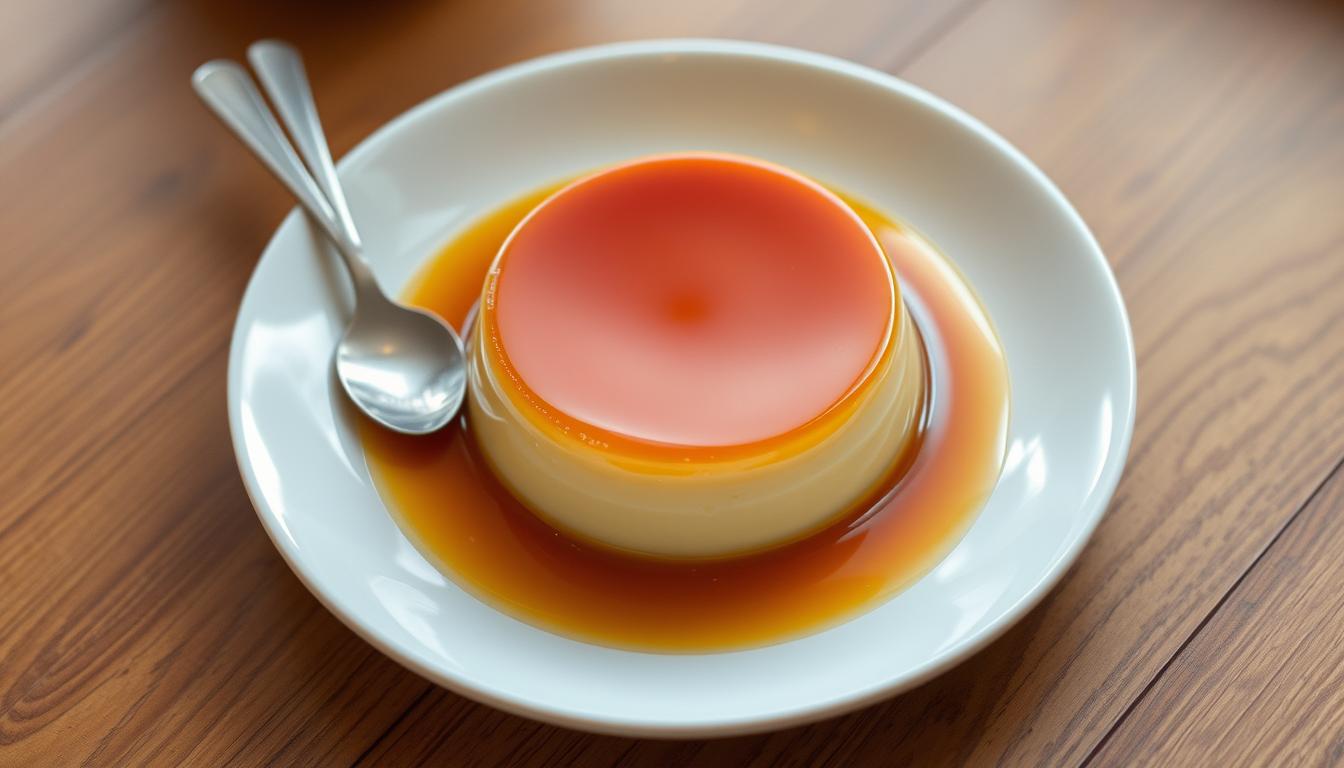
Indulge in the rich flavors of homemade creme caramel, a classic dessert that never goes out of style. This silky smooth custard delight is a treat for anyone with a sweet tooth. The combination of a caramelized sugar crust and a creamy custard base makes for a truly unforgettable dessert experience.
Making creme caramel at home is easier than you think, and the result is well worth the effort. With just a few simple ingredients, you can create a custard dessert that’s sure to impress your family and friends.
Key Takeaways
- Learn how to make a classic homemade creme caramel
- Discover the secrets to achieving a silky smooth custard
- Understand the importance of caramelizing sugar for the perfect crust
- Impress your loved ones with this elegant dessert
- Explore the simplicity of making creme caramel at home
The Rich History of Creme Caramel
Creme caramel’s history is a tale of culinary innovation, tracing back to its French and Spanish roots. This dessert has captivated palates for centuries, evolving into the silky, caramel-topped delight known today.
Origins in French and Spanish Cuisine
The origins of creme caramel are deeply rooted in both French and Spanish culinary traditions. The French version, known as “crème brûlée,” emphasizes a rich custard base topped with a layer of caramelized sugar. Similarly, the Spanish “crema Catalana” shares a comparable texture and flavor profile, highlighting the shared culinary heritage between these two European nations.
A closer look at the historical data reveals that creme caramel was initially a simple dessert made with eggs, sugar, and milk. Over time, it evolved to incorporate various flavorings and techniques, such as caramelizing sugar on top.
| Dessert | Country | Key Ingredients |
|---|---|---|
| Crème Brûlée | France | Custard, Sugar |
| Crema Catalana | Spain | Eggs, Milk, Sugar |
Evolution of the Classic Dessert
As culinary techniques and cultural exchange evolved, so did creme caramel. It spread across the globe, adapting to local tastes while maintaining its core characteristics. The dessert has been refined over the years, with chefs experimenting with new flavors and presentation styles.
Today, creme caramel remains a beloved dessert, cherished for its creamy texture and the delicate balance of sweetness. Its evolution is a testament to the power of culinary innovation and cultural exchange.
Why Homemade Creme Caramel Outshines Store-Bought Versions
The superiority of homemade creme caramel over store-bought versions is evident in its flavor, texture, and overall quality. When you make creme caramel at home, you can immediately taste the difference.
Superior Flavor and Texture
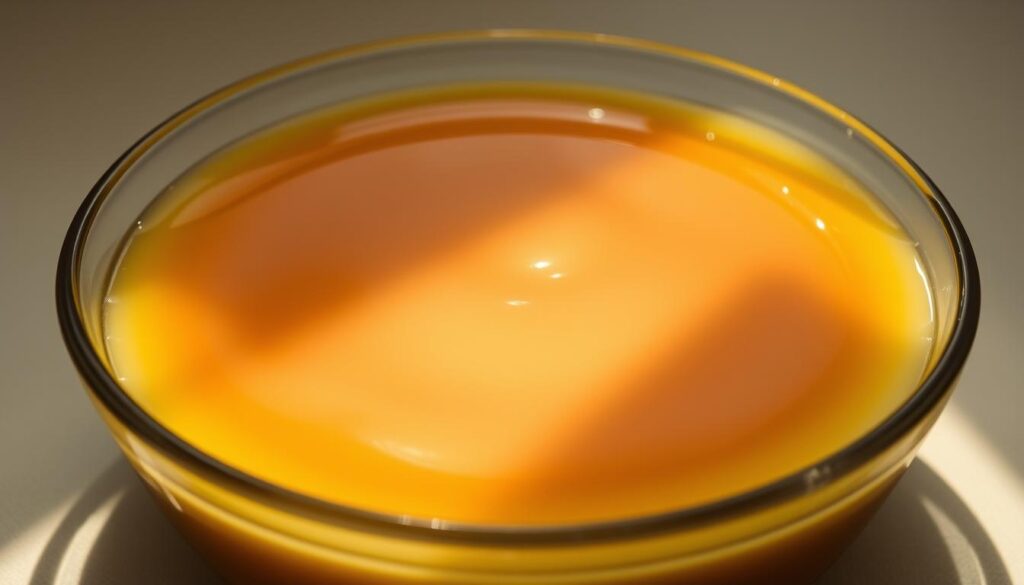
Homemade creme caramel boasts a rich, velvety texture that is hard to find in store-bought versions. The silky smooth custard is a result of careful preparation and the use of high-quality ingredients. Unlike mass-produced creme caramel, homemade versions aren’t constrained by preservatives or manufacturing processes that can affect texture.
Control Over Ingredients and Sweetness
When you make creme caramel at home, you have complete control over the ingredients and the level of sweetness. This is particularly important for those with dietary restrictions or preferences. You can choose to use organic eggs, high-quality dairy, and adjust the sugar content to your taste. The table below highlights some key differences between homemade and store-bought creme caramel:
| Feature | Homemade Creme Caramel | Store-Bought Creme Caramel |
|---|---|---|
| Ingredients | High-quality, customizable | Preservatives, additives |
| Sweetness Level | Adjustable to taste | Fixed, often overly sweet |
| Texture | Silky, smooth | Often rubbery or too firm |
By making creme caramel at home, you can ensure that your dessert is not only delicious but also tailored to your preferences.
Essential Ingredients for the Perfect Custard
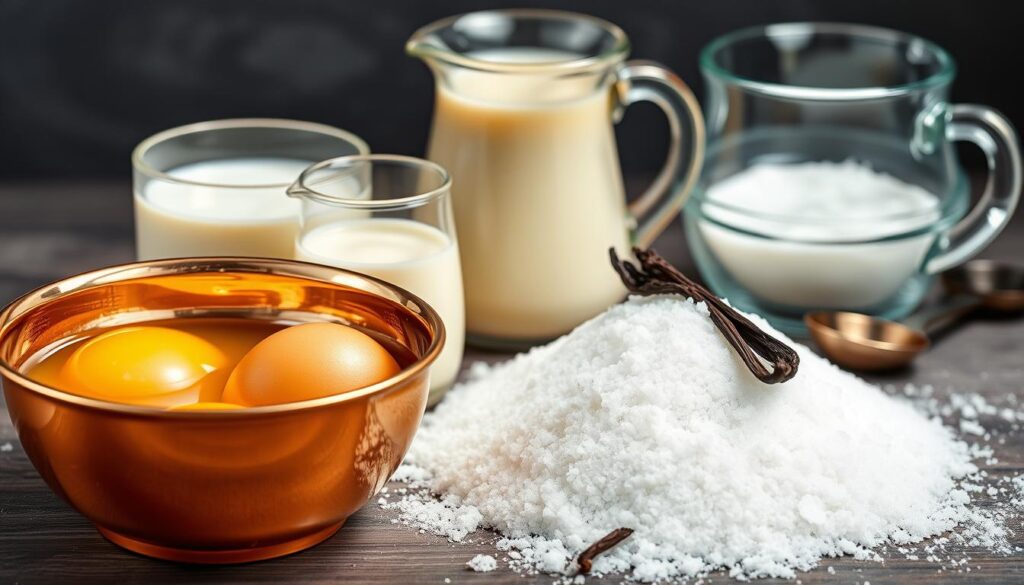
The foundation of a silky smooth creme caramel lies in its high-quality ingredients. To create a truly exceptional dessert, it’s essential to understand the role of each component.
The Role of High-Quality Eggs
Eggs are a crucial element in creme caramel, providing structure and richness. Using high-quality eggs ensures that your custard will be smooth and creamy. Fresh eggs will also contribute to a better texture and flavor.
Choosing the Right Dairy Products
The type of dairy products used can significantly impact the flavor and texture of your creme caramel. Whole milk and heavy cream are commonly used for their rich, creamy texture. The quality of these dairy products directly affects the overall taste and smoothness of the custard.
Sugar Types and Their Effects on Caramel
The type of sugar used for the caramel sauce can vary, with granulated sugar being the most common. However, other types of sugar, such as brown sugar or muscovado sugar, can add different flavor dimensions. Understanding the characteristics of each sugar type is key to achieving the perfect caramel.
| Sugar Type | Flavor Profile | Effect on Caramel |
|---|---|---|
| Granulated Sugar | Neutral, sweet | Classic caramel flavor |
| Brown Sugar | Rich, caramel-like with hints of molasses | Deeper, more complex flavor |
| Muscovado Sugar | Strong molasses flavor | Bold, rich caramel |
By carefully selecting the right ingredients and understanding their roles, you can create a creme caramel that is both delicious and visually appealing.
Equipment You’ll Need for Success
Before you start making creme caramel, it’s essential to have the necessary equipment. The right tools will help you achieve a smooth and creamy texture, while also making the process easier and less prone to errors.
Ramekins vs. Single Mold Options
When it comes to choosing the right molds for your creme caramel, you have two main options: ramekins or a single large mold. Ramekins are individual serving dishes that allow you to portion out the creme caramel, making it perfect for serving. On the other hand, a single mold can be used to make a large creme caramel that can be sliced and served.
Using ramekins provides more control over the cooking time and can result in a more evenly cooked dessert. However, a single mold can be more convenient for larger gatherings.
Essential Tools for Caramel Making
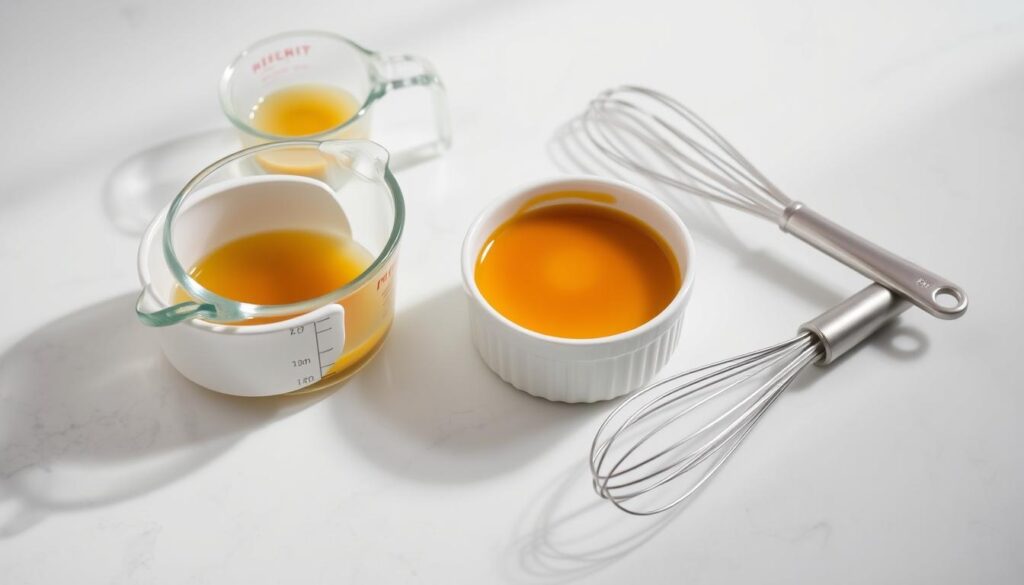
In addition to the molds, you’ll need a few other essential tools to make creme caramel. A heavy-bottomed saucepan is necessary for making the caramel sauce, as it distributes heat evenly and prevents burning.
A fine-mesh strainer is also crucial for straining the custard base, ensuring a smooth texture. Other necessary tools include a whisk for mixing the ingredients and a measuring cups and spoons for accurate measurements.
Classic Creme Caramel Recipe
Indulge in the rich flavors of our classic creme caramel recipe, a dessert that epitomizes elegance and simplicity. This timeless dessert consists of a delicate caramel topping over a creamy custard base, making it a showstopper for any dinner party or special occasion.
Preparing the Perfect Caramel
The caramel layer is a crucial component of creme caramel, providing a deep, rich flavor that complements the creamy custard. To prepare the perfect caramel, you’ll need granulated sugar and water. Combine these ingredients in a saucepan and heat them until the sugar dissolves, then increase the heat to create a deep amber caramel.
“The art of making caramel is all about temperature control,” says renowned pastry chef, Jacques Torres. “You want to heat the sugar to the perfect temperature to achieve that deep amber color without burning it.”
Creating the Silky Custard Base
The custard base is what gives creme caramel its signature silky texture. To achieve this, you’ll need to combine high-quality eggs, sugar, and dairy products in a specific ratio. The eggs provide structure, while the sugar adds sweetness and the dairy contributes to the creamy texture.
To create the custard base, start by heating the dairy products and then gently whisking them into the egg yolks and sugar mixture. This process, known as tempering, prevents the eggs from scrambling when added to the hot dairy.
Baking Techniques for Smooth Results
Baking is a critical step in making creme caramel. To achieve a smooth, even texture, it’s essential to use a water bath. This technique ensures that the custard cooks gently and evenly, preventing it from curdling or developing bubbles.
To bake your creme caramel, preheat your oven to a moderate temperature, place the ramekins in a baking dish, and add hot water to come halfway up the sides of the ramekins. This simple technique will help you achieve a perfectly cooked dessert.
Mastering the Water Bath Method
Achieving the perfect creme caramel requires mastering the water bath method, a crucial technique for a smooth and creamy dessert. This baking technique involves placing the creme caramel molds in a large pan filled with hot water, which surrounds the dessert with gentle heat.
Why a Water Bath Is Crucial
A water bath is essential for creme caramel as it provides a uniform temperature around the dessert, preventing it from cooking too quickly or unevenly. This gentle heat helps in creating a silky smooth texture and prevents the eggs from scrambling, which can happen when exposed to high direct heat.
Moreover, the water bath method helps in preventing the formation of bubbles on the surface of the creme caramel, ensuring a clean and smooth finish.
Common Water Bath Mistakes to Avoid
While the water bath method is straightforward, there are common mistakes to watch out for. One of the most common errors is not ensuring the water level is below the top of the ramekins or mold, which can lead to water seeping into the creme caramel. Another mistake is not preheating the water bath, which can cause uneven cooking.
To avoid these issues, always check the water level and preheat the water bath before adding the creme caramel molds. This attention to detail will ensure a perfectly cooked creme caramel with a smooth texture and a beautifully caramelized top.
Troubleshooting Common Creme Caramel Issues
Achieving the perfect creme caramel requires patience and understanding of common pitfalls. Despite careful preparation, issues such as bubbles, texture problems, and caramel that won’t release can occur. In this section, we will explore solutions to these common problems, helping you to create a flawless dessert.
Fixing Bubbles and Texture Problems
Bubbles and texture issues in creme caramel can be caused by several factors, including overmixing the custard base or incorrect baking temperatures. To avoid bubbles, gently fold the egg whites into the custard mixture, and ensure that your ramekins are properly prepared. If you notice bubbles on the surface, you can try to gently remove them with a toothpick before baking.
Texture problems, such as a too-runny or too-set custard, can often be attributed to undercooking or overcooking. To achieve a smooth texture, it’s crucial to bake the creme caramel in a water bath at a consistent, moderate temperature. Using a thermometer can help you maintain the ideal baking temperature.
Solutions for Caramel That Won’t Release
A common issue with creme caramel is the caramel layer sticking to the ramekins. To prevent this, ensure that your sugar syrup is heated to the correct temperature to achieve a deep amber color, and avoid stirring the caramel too much as it cools. If the caramel still sticks, try running a knife around the edges of the dessert or briefly dipping the ramekins in hot water to loosen it.
Addressing Overcooking and Undercooking
Overcooking can result in a rubbery or curdled texture, while undercooking leaves the custard too runny. To avoid these issues, monitor your creme caramel closely during baking. Check for doneness by gently jiggling the ramekins; the edges should be set, and the center slightly jiggly. Adjust your baking time accordingly, and consider using a timer to keep track.
By understanding and addressing these common creme caramel issues, you can refine your baking technique and consistently produce a smooth, creamy, and deliciously caramelized dessert.
Delicious Variations and Serving Suggestions
Transform your creme caramel into a masterpiece with these innovative ideas. Creme caramel is a versatile dessert that can be customized to suit various tastes and occasions. By experimenting with different flavors and presentation styles, you can create a unique dessert experience that will impress your guests.
Flavor Infusions for the Custard
Infusing your custard with unique flavors can elevate your creme caramel to new heights. Consider adding a touch of vanilla bean, a pinch of salt, or a teaspoon of citrus zest to create a distinct flavor profile. You can also experiment with liqueurs like Grand Marnier or Kahlúa to add depth and complexity.
- Add a teaspoon of vanilla extract or a vanilla bean to the custard for a classic flavor.
- Infuse the custard with citrus zest or a squeeze of fresh citrus juice for a bright, tangy taste.
- Use liqueurs like Grand Marnier or Kahlúa to add a rich, adult flavor to your creme caramel.
Creative Caramel Additions
The caramel topping is just as important as the custard base. Experiment with different types of sugar, like muscovado or turbinado, to create a unique caramel flavor. You can also add a pinch of sea salt or a sprinkle of nuts to the caramel for added texture and flavor.
Try using different types of sugar: Muscovado sugar adds a rich, molasses-like flavor, while turbinado sugar provides a slightly crunchy texture.
Perfect Pairings and Garnishes
Pairing your creme caramel with complementary flavors and textures can enhance the overall dessert experience. Consider serving it with fresh fruit, whipped cream, or a sprinkle of powdered sugar. For a more elaborate presentation, try garnishing with edible flowers or microgreens.
| Pairing | Description |
|---|---|
| Fresh Fruit | Add a pop of color and freshness with seasonal fruits like berries or sliced peaches. |
| Whipped Cream | A dollop of whipped cream adds a creamy texture and a touch of sweetness. |
| Powdered Sugar | A light dusting of powdered sugar adds a elegant finish to your creme caramel. |
Storage and Make-Ahead Tips
Creme caramel is a great make-ahead dessert, as it can be prepared in advance and stored in the refrigerator for several days. When storing, cover the ramekins with plastic wrap or aluminum foil to prevent drying out.
Make ahead and store: Prepare the creme caramel up to 3 days in advance and store it in the refrigerator.
Conclusion: Enjoying Your Homemade Creme Caramel
Savoring the fruits of your labor is a true delight. Your homemade creme caramel is a testament to the joy of creating something truly special. With its silky smooth custard and rich caramel sauce, this dessert is sure to impress family and friends.
As you’ve learned throughout this article, making creme caramel from scratch allows you to control the ingredients and sweetness level, resulting in a truly personalized homemade dessert. Whether you’re serving it at a dinner party or enjoying it on your own, creme caramel is sure to become a favorite treat.
Now that you’ve mastered the art of making creme caramel, don’t be afraid to experiment with new flavors and ingredients. Try infusing the custard with vanilla or adding a touch of caramel sauce to the top. The possibilities are endless, and the joy of enjoying creme caramel is sure to bring a smile to your face.