Delicious Egg White Meringue: Easy Recipe & Tips
Welcome to the world of egg white meringue, a versatile and delicious dessert component that can elevate any treat.
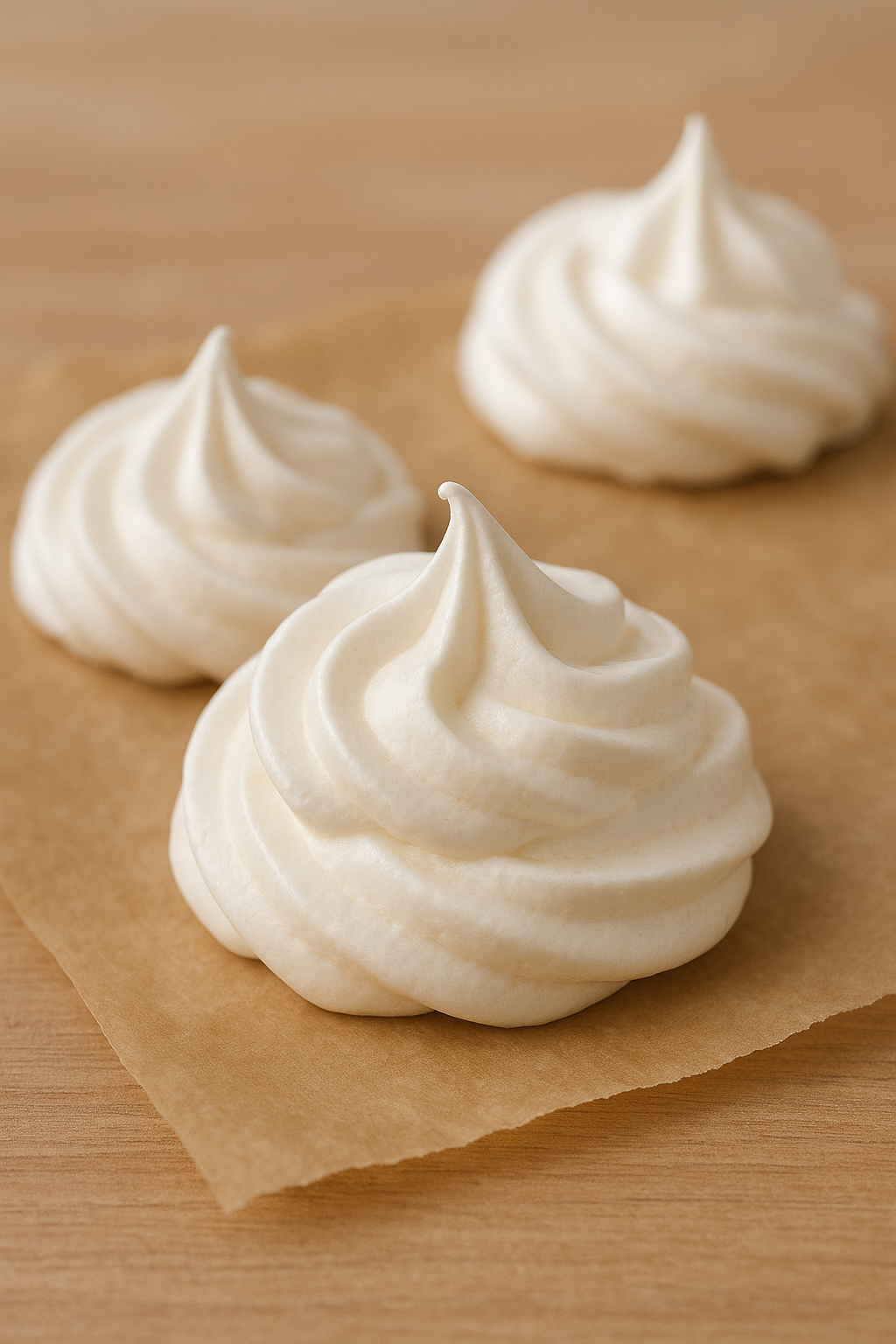
In this article, we’ll guide you through the process of making perfect fluffy egg white meringue, sharing tips and tricks to get you started.
Whether you’re a seasoned baker or a beginner, you’ll learn how to create light, airy, and mouth-watering meringues that will impress your friends and family with the best egg white meringue recipe.
Key Takeaways
- Learn the secrets to making perfect egg white meringue
- Discover the best tips for achieving a fluffy texture
- Explore easy recipes to get you started
- Understand the importance of using room temperature ingredients
- Master the technique of stabilizing meringue for perfect desserts
What is Egg White Meringue?
At its core, egg white meringue is a mixture of egg whites and sugar that is whipped until it becomes stiff and holds its shape. This transformation from liquid to a sturdy, airy confection is both fascinating and essential for many desserts.
Egg white meringue is not just a simple mixture; it’s a culinary technique that requires precision and patience. The process involves incorporating air into the egg whites, which is stabilized by the sugar, resulting in a meringue that is both crispy and chewy.
Definition and Characteristics
Egg white meringue is characterized by its light and airy texture, making it a popular choice for desserts where a delicate crunch is desired. The meringue’s structure is achieved by whipping egg whites until they become frothy, then gradually adding sugar until stiff peaks form.
The characteristics of a well-made meringue include:
- A crisp exterior
- A chewy interior
- Stability when baked
As noted by renowned pastry chef, Pierre Hermé, “The key to a successful meringue is in the whipping. You must whip the egg whites until they are stiff and hold their shape, but not so long that they become too stiff and separate.”
“The art of making meringue is in understanding the balance between egg whites and sugar.”
Common Uses in Desserts
Egg white meringue is a versatile ingredient used in a variety of desserts. Some of the most popular uses include:
| Dessert | Description |
|---|---|
| Pavlova | A meringue-based dessert named after the Russian ballerina Anna Pavlova, topped with whipped cream and fresh fruit. |
| Meringue Cookies | Crunchy on the outside, chewy on the inside, these cookies are a favorite among both kids and adults. |
| Lemon Meringue Pie | A classic dessert consisting of a lemon-filled pastry topped with a layer of meringue. |
These desserts showcase the versatility and appeal of egg white meringue, making it a fundamental component in many sweet treats.
The Benefits of Using Egg Whites
Egg whites are a game-changer in the world of baking, offering a natural stabilizer and a low-calorie alternative. When it comes to creating delicious and healthier desserts, incorporating egg whites into your recipes can make a significant difference. Not only do they provide a boost of protein, but they also help in achieving the perfect texture in meringue-based desserts.
Low-Calorie Alternative
One of the most significant advantages of using egg whites in baking is that they offer a low-calorie alternative to traditional desserts. Egg whites are virtually fat-free and contain very few calories, making them an excellent choice for those looking to reduce their calorie intake without compromising on taste.
For instance, a large egg white contains only about 17 calories. When whipped, egg whites can increase in volume significantly, making them a great ingredient for creating light and airy desserts. This characteristic is particularly beneficial for recipes like meringues, where the goal is to achieve a fluffy texture without adding excessive sugar or fat.
Natural Stabilizer in Recipes
Egg whites also serve as a natural stabilizer in many recipes. When whipped, they incorporate air and increase in volume, providing structure and stability to desserts like meringues and souffles. The protein content in egg whites helps to strengthen the foam, making it more stable and less likely to collapse.
A notable example of the stabilizing effect of egg whites can be seen in the preparation of meringue-based desserts. By whipping egg whites until they become stiff and hold their shape, you can create a stable foam that can be folded into other ingredients or baked until crispy.
| Benefit | Description |
|---|---|
| Low-Calorie | Egg whites are virtually fat-free and low in calories, making them ideal for healthier desserts. |
| Natural Stabilizer | Egg whites provide structure and stability to desserts through their protein content. |
“The art of making meringue is not just about whipping egg whites; it’s about understanding the science behind creating a stable foam that can be both delicate and resilient.”
Essential Ingredients for Egg White Meringue
To achieve the ideal meringue, it’s essential to begin with the right ingredients. The quality of your meringue is heavily dependent on the freshness and type of ingredients you use.
Fresh Egg Whites
Fresh egg whites are crucial for a successful meringue. They contain proteins that help to strengthen the structure of the meringue, allowing it to hold its shape and giving it a smooth texture.
Using old or contaminated egg whites can lead to a weak meringue that collapses or weeps. Always opt for the freshest egg whites available, as this will directly impact the stability and texture of your meringue, helping you achieve the perfect egg white meringue peaks.
Cream of Tartar
Cream of tartar is another essential ingredient that helps to stabilize the egg whites, making it easier to achieve stiff peaks. It works by adjusting the pH of the egg whites, which enhances their stability.
A small amount of cream of tartar can make a significant difference in the quality of your meringue, helping to prevent it from becoming too runny or weepy, a common issue in egg white meringue troubleshooting.
Sugar Types: Granulated vs. Powdered
The type of sugar used can affect the texture and stability of the meringue. Both granulated and powdered sugar can be used, but they have different effects.
| Sugar Type | Characteristics | Best Use |
|---|---|---|
| Granulated Sugar | Coarser texture, dissolves during whipping | General meringue recipes, provides structure |
| Powdered Sugar | Finer texture, dissolves quickly, can make meringue more stable | Delicate meringue desserts, like meringue cookies |
In conclusion, the right ingredients are fundamental to making a great egg white meringue. By choosing fresh egg whites, using cream of tartar, and selecting the appropriate sugar type, you can achieve a meringue that is both delicious and visually appealing, perfect for any best egg white meringue recipe.
Step-by-Step Recipe for Perfect Meringue
The art of crafting meringue involves a few simple steps that yield impressive results. With the right techniques and a bit of patience, you can create beautiful, stable meringues that will be the crowning glory of your desserts.
Prepping Your Equipment
Before you start, it’s crucial to ensure your equipment is clean and dry. Any trace of grease or moisture can prevent your meringue from forming properly. Use a glass or stainless steel bowl, as these materials are less likely to retain oils compared to plastic.
- Make sure your bowl and beaters are free from any fat or oil residue.
- Avoid using plastic bowls, as they can retain grease.
- Chill your bowl and beaters in the refrigerator for about 10-15 minutes before use to help the egg whites whip up faster and to a greater volume.
Whipping Egg Whites
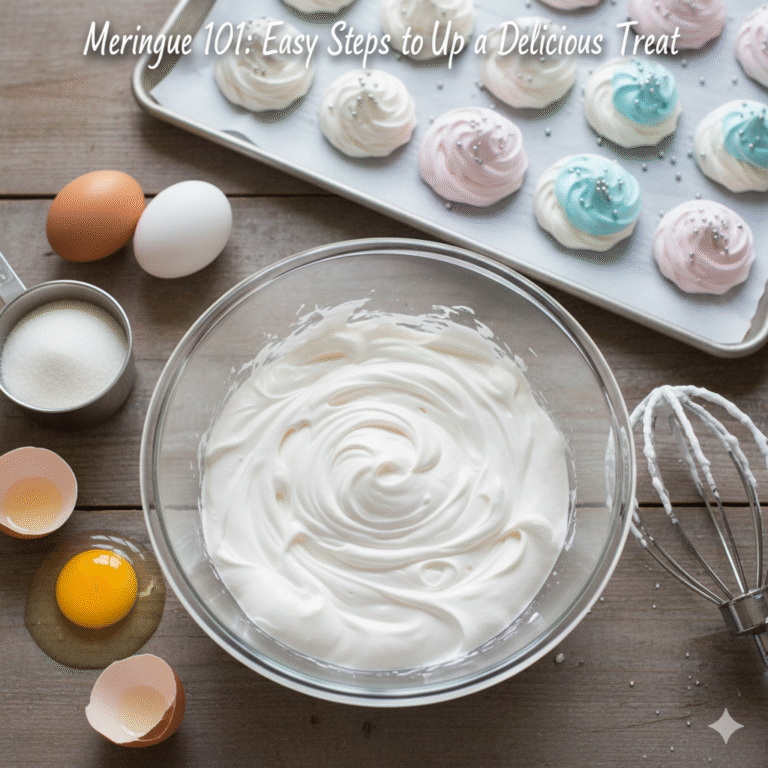
Whipping egg whites is a critical step in making meringue. Start by cracking your eggs and separating the whites into your prepared bowl. Begin whipping the egg whites on a low speed until they become frothy, then gradually increase the speed.
“The key to successful meringue is whipping the egg whites until they become stiff peaks,” says culinary expert, Jacques Pépin.
Continue whipping until the egg whites form soft peaks. This step is crucial as it lays the foundation for your meringue’s structure.
Gradually Adding Sugar
Once your egg whites have reached the soft peak stage, it’s time to add sugar. Gradually pour the sugar into the egg whites while continuously whipping. The slow addition of sugar helps to stabilize the egg whites, creating a smooth and glossy meringue.
- Add sugar slowly, about one tablespoon at a time.
- Continue whipping until the sugar is fully incorporated and the mixture is smooth and glossy.
- Stop whipping once the meringue forms stiff peaks. Overwhipping can lead to a grainy texture.
By following these steps, you’ll be well on your way to creating perfect meringues every time. Remember, practice makes perfect, so don’t be discouraged if it takes a few tries to get it just right.
Tips for Achieving the Right Texture
The key to a successful egg white meringue lies in its texture, which can be mastered with a few simple techniques. Achieving the right texture is crucial for the overall success of your dessert, whether you’re making a pavlova, meringue cookies, or another treat.
Soft Peaks vs. Stiff Peaks
Understanding the difference between soft peaks and stiff peaks is essential when whipping egg whites. Soft peaks are formed when the egg whites are whipped until they become frothy and doubled in volume. They are not stable and will collapse if over-whipped. On the other hand, stiff peaks are achieved when the egg whites are whipped further until they become thick, glossy, and hold their shape firmly.
| Characteristics | Soft Peaks | Stiff Peaks |
|---|---|---|
| Volume | Doubled | More than doubled, firm |
| Appearance | Frothy, soft | Thick, glossy |
| Stability | Unstable, collapses easily | Stable, holds shape |
Avoiding Overwhipping
Overwhipping is a common mistake that can lead to a grainy or separated meringue mixture. To avoid this, stop whipping once you’ve achieved the desired consistency. For most recipes, stiff peaks are preferred, but be cautious not to overdo it. If you notice the mixture starting to look grainy or separate, stop immediately.
By mastering the techniques for achieving the right texture and understanding the difference between soft and stiff peaks, you’ll be well on your way to creating perfect egg white meringue every time. Remember, practice makes perfect, so don’t be discouraged if it takes a few tries to get it just right.
Common Mistakes to Avoid
Egg white meringue, while a simple dessert component, can be tricky to perfect without knowing the pitfalls. Even experienced bakers can make mistakes that affect the texture and stability of their meringues. Understanding these common errors is crucial for achieving the perfect meringue every time.
Egg Yolk Contamination
One of the most significant mistakes when making egg white meringue is contaminating the egg whites with egg yolk. Egg yolks contain fats that interfere with the whipping process, preventing the egg whites from becoming stiff and holding air properly. To avoid this, it’s essential to separate eggs carefully and have a clean environment for whipping.
- Use a clean bowl and utensils when whipping egg whites.
- Separate eggs when they are cold, as this makes it easier to keep the yolks intact.
- If you accidentally get yolk in your whites, start over with new egg whites.
Not Using Clean Equipment
Another critical mistake is not using clean equipment. Any residue of fat or grease on your bowls, whisks, or beaters can prevent your egg whites from whipping up properly. This is because the fat molecules interfere with the protein structures in the egg whites, hindering their ability to become stiff peaks.
- Ensure all equipment is washed with soap and thoroughly rinsed before use.
- Dry the equipment completely, as any moisture can affect the meringue’s texture.
- Avoid using plastic bowls, as they can retain oils and fats.
By avoiding these common mistakes, you can significantly improve your egg white meringue’s texture and stability. Remember, practice makes perfect, and being mindful of these potential pitfalls will help you achieve the desired results in your baking endeavors.
Flavoring Your Meringue
Egg white meringue is not just about sugar; it’s a canvas waiting for your creative touch. While traditional recipes rely on sugar for flavor, there are numerous ways to add extra flavor dimensions to your egg white meringue, making it a versatile dessert component.
Vanilla Extract
One of the simplest ways to flavor your meringue is by adding vanilla extract. A few drops can significantly enhance the meringue’s flavor profile, giving it a warm, aromatic taste. When using vanilla extract, it’s essential to add it during the whipping process, allowing the flavors to distribute evenly throughout the egg whites.
Chocolate and Fruit Variations
For those looking to experiment beyond vanilla, chocolate and fruit variations offer exciting possibilities. You can incorporate cocoa powder or melted chocolate into your meringue for a chocolate twist. Fruit variations can be achieved by adding fruit purees or zests, creating a delightful contrast in texture and flavor.
| Flavor | Ingredient | When to Add |
|---|---|---|
| Vanilla | Vanilla Extract | During whipping |
| Chocolate | Cocoa Powder or Melted Chocolate | After whipping, fold gently |
| Fruit | Fruit Puree or Zest | After whipping, fold gently |
Experimenting with different flavors not only enhances the taste but also adds a creative element to your baking. Whether you’re making fluffy egg white meringue for a dessert or as a topping, these flavor variations can elevate your creations.
Creative Ways to Use Egg White Meringue
With its light and airy texture, egg white meringue is a baker’s best friend for creating stunning desserts. This versatile ingredient can be used in a variety of creative ways, from classic desserts to innovative treats.
Pavlova and Eton Mess
Pavlova is a popular dessert that showcases egg white meringue in all its glory. To make a pavlova, bake a large meringue shell and top it with whipped cream and fresh fruit. Eton mess is another delightful dessert that features meringue, but in a more rustic form. Simply crush meringue into pieces and mix with whipped cream and fruit for a sweet and satisfying treat.
- Pavlova: A classic Australian dessert made with a large meringue shell, topped with whipped cream and fresh fruit.
- Eton mess: A traditional English dessert consisting of crushed meringue mixed with whipped cream and fruit.
Meringue Cookies and Kisses
Meringue cookies and kisses are perfect for those who love individual treats. To make meringue cookies, pipe small meringue shapes onto a baking sheet and bake until crisp. Meringue kisses are similar but are typically smaller and more delicate. You can flavor both cookies and kisses with a variety of extracts, such as vanilla or almond, for added depth.
- Preheat your oven to the correct temperature for baking meringue.
- Pipe meringue into desired shapes and sizes.
- Bake until crisp and dry, then cool completely.
By incorporating egg white meringue into your baking, you can create a range of delicious desserts that are sure to impress. Whether you’re making a pavlova, Eton mess, or meringue cookies, the key is to master the best egg white meringue recipe and techniques.
Storing Egg White Meringue
After making your egg white meringue, storing it correctly is vital to maintaining its delightful texture. Proper storage ensures that your meringue remains fresh and ready for use in your favorite desserts.
Keeping It Fresh
To keep your egg white meringue fresh, it’s essential to store it in an airtight container. This prevents moisture from entering the container and causing the meringue to become soggy or weep. You can store meringue at room temperature for a short period, typically up to 2 days, if your kitchen is cool and dry.
- Use an airtight container to prevent moisture from affecting the meringue.
- Store the meringue in a cool, dry place at room temperature for up to 2 days.
- Avoid storing meringue in humid environments, as this can cause it to absorb moisture and lose its texture.
Freezing Meringue: Is It Possible?
Yes, you can freeze meringue, but it’s crucial to do it correctly to maintain its quality. To freeze meringue, place it in an airtight container or freezer bag, making sure to press out as much air as possible before sealing. Frozen meringue can be stored for several weeks.
Tips for Freezing Meringue:
- Place the meringue in a single layer in an airtight container or freezer bag.
- Press out as much air as possible before sealing the container or bag.
- Label the container or bag with the date and contents.
- Store in the freezer at 0°F (-18°C) or below.
When you’re ready to use the frozen meringue, simply remove it from the freezer and let it thaw at room temperature. It’s best to use frozen meringue within a few weeks for optimal texture and flavor.
Troubleshooting Common Issues
Achieving the perfect egg white meringue requires not just a good recipe, but also the ability to troubleshoot common issues. Even with the best techniques, problems can arise, but understanding how to address them can make all the difference.
Meringue Weeping
Meringue weeping, characterized by the release of liquid from the meringue, is a common issue that can ruin the texture and appearance of your dessert. This problem often occurs due to underbaking or high humidity. To prevent weeping, ensure your meringue is baked at the right temperature and for the correct amount of time.
- Check your oven temperature to ensure it’s accurate.
- Avoid opening the oven door during baking, as this can cause temperature fluctuations.
- If you’re baking in a humid environment, consider using a dehumidifier.
Cracking and Browning
Cracking and excessive browning are other issues that can affect your meringue. Cracking often results from sudden temperature changes or overbaking. To minimize the risk of cracking, avoid overbaking and let your meringue cool gradually in the oven with the door ajar.
Tips to prevent cracking and browning:
- Bake your meringue at a low temperature to prevent it from browning too quickly.
- Use a baking sheet lined with parchment paper to prevent the meringue from sticking.
- If you notice your meringue browning too quickly, cover the edges with foil.
By understanding and addressing these common issues, you can improve your egg white meringue techniques and achieve better results. Whether you’re making a simple meringue cookie or a complex dessert like pavlova, troubleshooting is key to success.
When to Use Different Meringue Styles
Understanding the differences between Italian, Swiss, and French meringue is crucial for achieving the perfect dessert texture and flavor. Each type of meringue has its unique characteristics and uses, making some more suitable for certain recipes than others.
Italian vs. Swiss vs. French Meringue
The primary difference between these meringue styles lies in the method of preparation and the stability they offer. French meringue is the simplest to make, involving the gradual addition of sugar to whipped egg whites. It’s commonly used in desserts like pavlova and meringue cookies.
Italian meringue, on the other hand, is made by whipping hot sugar syrup into egg whites. This method produces a very stable meringue, often used in buttercream frosting and toppings that need to withstand high temperatures.
Swiss meringue involves heating egg whites and sugar over a double boiler before whipping them. This technique provides a stable meringue that is less likely to weep or collapse, making it ideal for desserts like meringue-based cakes and toppings.
Choosing the Right Type for Your Recipe
When deciding which meringue style to use, consider the requirements of your recipe. If you’re making a dessert that needs to be stable at high temperatures, such as a topping for a pie, Italian meringue might be the best choice.
For baked goods like meringue cookies or pavlova, French meringue is often sufficient and easier to prepare. If you’re looking for a versatile meringue that can be used in a variety of desserts, such as cakes and toppings, Swiss meringue offers stability and texture.
- French Meringue: Best for baked desserts like cookies and pavlova.
- Italian Meringue: Ideal for high-temperature applications and stable toppings.
- Swiss Meringue: Suitable for a wide range of desserts, offering stability and versatility.
By understanding the strengths and uses of each meringue type, you can elevate your baking and create desserts that are both delicious and visually appealing.
Conclusion: Mastering Egg White Meringue
With the knowledge and techniques provided in this comprehensive guide, you’re now well-equipped to create perfect egg white meringue. The best egg white meringue recipe is just the starting point; feel free to experiment with different flavors and ingredients to create your own unique desserts.
Creating Delicious Desserts
Achieving a fluffy egg white meringue is a matter of practice and patience. As you continue to hone your skills, you’ll be able to create a variety of delicious desserts, from pavlovas to meringue cookies.
Exploring New Recipes
Don’t be afraid to try new egg white meringue recipes and flavor combinations. With the techniques learned in this guide, you’re ready to take your baking to the next level and create stunning desserts that will impress friends and family.