Discover the Lowest Calorie Fruits
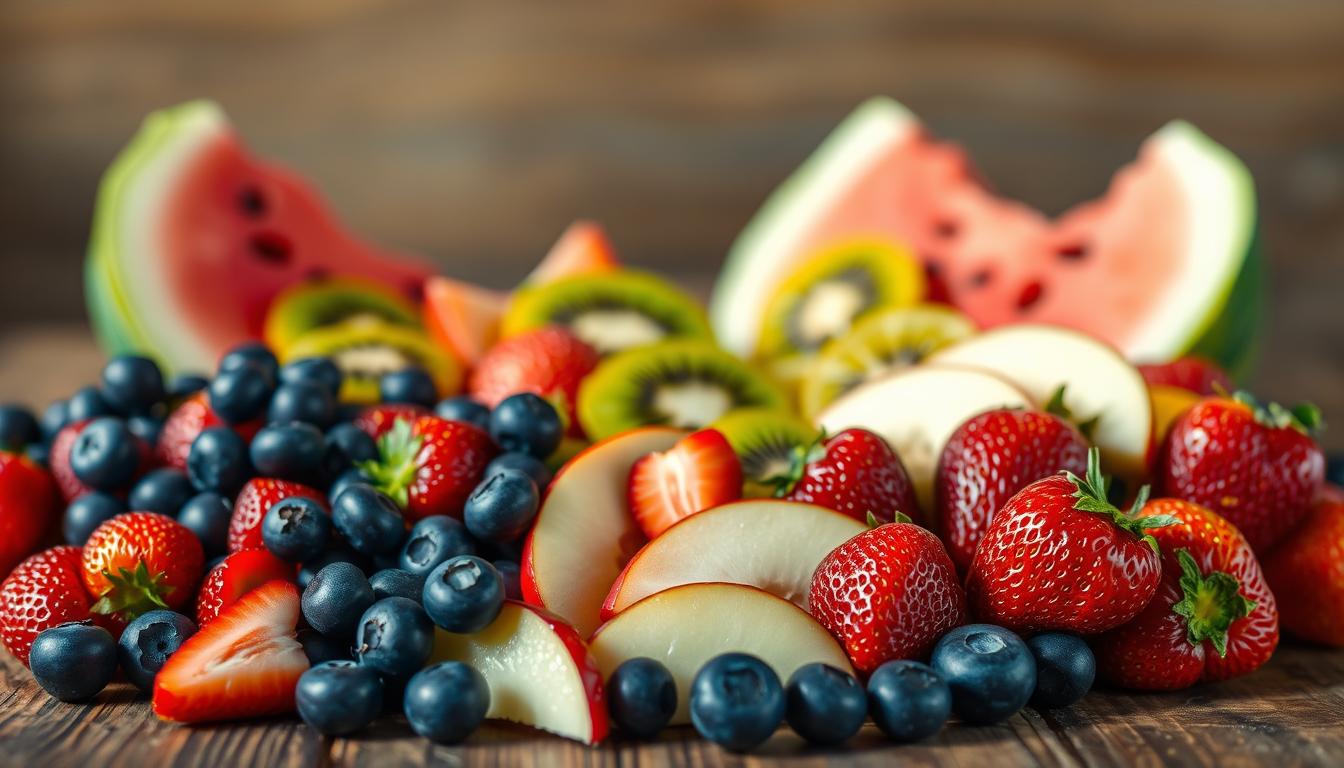
Eating a diet rich in low-calorie fruits can be a great way to maintain a healthy weight and support overall well-being. These healthy snacks are not only delicious but also packed with essential vitamins, minerals, and antioxidants.
Incorporating low-calorie fruits into your daily nutrition can have numerous benefits, from boosting energy levels to supporting healthy digestion. With so many options available, it’s easy to find the perfect healthy snack to satisfy your cravings.
Key Takeaways
- Eating low-calorie fruits can support a healthy weight.
- Low-calorie fruits are rich in essential vitamins and minerals.
- Incorporating these fruits into your diet can boost energy levels.
- Healthy snacking with low-calorie fruits supports overall well-being.
- Low-calorie fruits are a great option for those looking for a guilt-free snack.
Why Low-Calorie Fruits Matter for Health
The benefits of low-calorie fruits extend far beyond the calorie count. These fruits are packed with essential nutrients that play a crucial role in maintaining overall health and well-being.
Nutritional Benefits Beyond Calorie Count
Low-calorie fruits are rich in vitamins, minerals, and antioxidants. For instance, they are an excellent source of vitamin C, which is vital for immune function and skin health. They also contain fiber, which can help regulate digestion and promote feelings of fullness.
Antioxidants found in these fruits help protect the body against free radicals, reducing the risk of chronic diseases such as heart disease and certain cancers.
Role in Weight Management
Low-calorie fruits are a valuable component of a weight management diet. Their high fiber and water content make them very filling, reducing the likelihood of overeating. Moreover, they are naturally sweet, making them a great alternative to satisfy sweet cravings without consuming high-calorie snacks.
Incorporating a variety of low-calorie fruits into your diet can support a healthy and balanced lifestyle. They not only provide essential nutrients but also add flavor and variety to meals and snacks.
What Makes a Fruit Low in Calories
When it comes to fruits, the calorie count is influenced by factors such as water content, fiber, and natural sugars. Understanding these factors can help clarify why some fruits are lower in calories than others.
Water Content and Fiber
Fruits with high water content tend to be lower in calories because water adds weight without adding calories. For example, watermelon is made up of about 92% water, making it very low in calories. Similarly, fiber content plays a crucial role. Fiber is not fully digested by the body and thus contributes fewer calories. Fruits rich in fiber, such as berries, not only provide a feeling of fullness but also are lower in calorie count.
Natural Sugar Levels
While it’s true that fruits contain natural sugars, the amount can vary significantly from one fruit to another. Fruits with lower natural sugar levels tend to have fewer calories. For instance, citrus fruits like lemons and limes are not only low in calories but also have a low natural sugar content. On the other hand, fruits like mangoes and grapes have higher natural sugar levels and consequently more calories.
In summary, the calorie count of a fruit is determined by its water content, fiber, and natural sugar levels. By understanding these factors, you can make more informed choices about the fruits you include in your diet.
Top 10 Lowest Calorie Fruit Options
Discovering the lowest calorie fruits can be a game-changer for those looking to manage their weight without sacrificing flavor. Fruits are not only a rich source of vitamins, minerals, and antioxidants, but they also offer a natural way to curb hunger and satisfy sweet cravings.
Comprehensive Calorie Comparison Chart
To help you make informed choices, here’s a comparison of the top 10 lowest calorie fruits. Understanding the calorie content can guide your snacking habits and meal planning.
| Fruit | Calories per 100g |
|---|---|
| Watermelon | 30 |
| Strawberries | 32 |
| Cantaloupe | 34 |
| Honeydew | 36 |
| Grapefruit | 42 |
| Lemons | 29 |
| Limes | 20 |
| Raspberries | 52 |
| Blackberries | 43 |
| Oranges | 47 |
As shown in the table, fruits like watermelon and strawberries are among the lowest in calories, making them excellent choices for those watching their calorie intake.
Portion Size Considerations
While these fruits are low in calories, portion control is still essential. Eating large quantities can add up in terms of calorie intake. A quote from a nutrition expert highlights the importance of portion sizes:
“Understanding serving sizes is crucial for maintaining a balanced diet. It’s not just about what you eat, but how much.”
To enjoy these fruits effectively, consider incorporating them into your meals and snacks in moderation. For example, adding a serving of strawberries to your breakfast or having a slice of watermelon as a snack can be a refreshing and healthy choice.
By being mindful of portion sizes and choosing a variety of the lowest calorie fruits, you can enjoy a nutritious and satisfying diet that supports your health goals.
Strawberries: The Sweet Low-Calorie Champion
With their low calorie count and high nutritional value, strawberries are a champion fruit. They are an excellent choice for those seeking a sweet and healthy snack.
Nutritional Profile
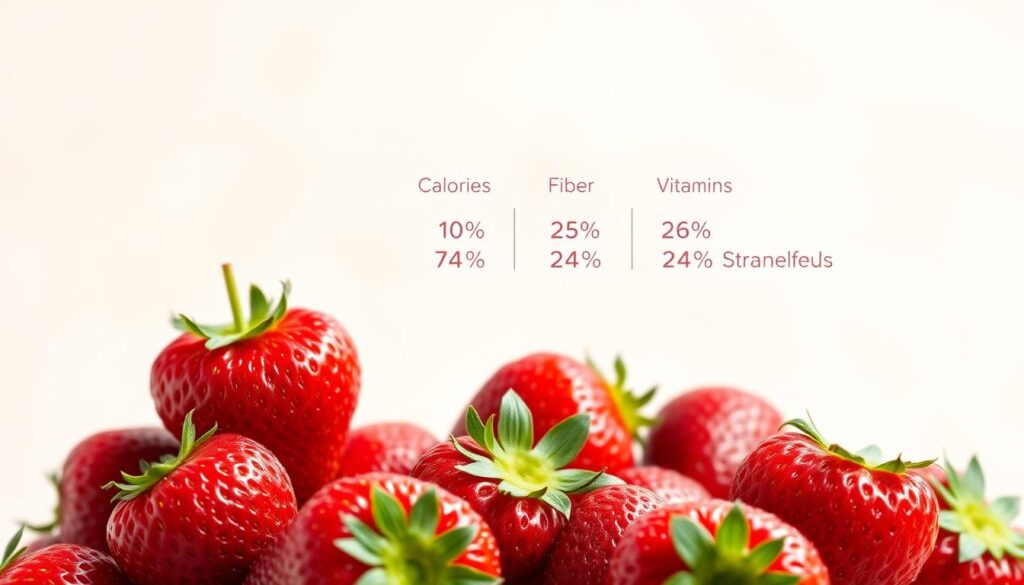
Strawberries are rich in vitamins, minerals, and antioxidants. One serving of strawberries (about 8 strawberries) contains only 50 calories, making them an ideal low-calorie snack. They are also a good source of vitamin C and fiber.
- High in Antioxidants
- Rich in Vitamin C
- Good Source of Dietary Fiber
Best Ways to Enjoy
Strawberries can be enjoyed in various ways. They make a great addition to salads, yogurt, and oatmeal. You can also blend them into smoothies or enjoy them as a fresh snack.
- Adding sliced strawberries to your breakfast cereal or oatmeal
- Blending them into a refreshing smoothie with yogurt and milk
- Using them as a topping for salads or desserts
Strawberries are versatile and can be incorporated into your diet in many delicious ways.
Watermelon: Hydrating and Light
With its high water content and sweet flavor, watermelon stands out as a nutritious and refreshing low-calorie fruit option. Watermelon is composed of about 92% water, making it one of the most hydrating fruits available.
Calorie Content and Nutrients
A serving size of about 1 cup diced watermelon contains only 46 calories, making it an excellent choice for those watching their calorie intake. Watermelon is also a good source of vitamin C and vitamin A, contributing to its nutritional value. It’s rich in antioxidants and contains lycopene, a compound that has been linked to various health benefits.
Serving Suggestions
Watermelon can be enjoyed in a variety of ways. It’s great as a standalone snack, or it can be added to fruit salads for extra flavor and hydration. You can also blend it into smoothies or use it to make refreshing infused water. For a twist, try grilling watermelon to bring out its natural sweetness.
To keep watermelon fresh, store it in the refrigerator. When you’re ready to serve, cut it up and enjoy. You can also freeze watermelon for a cool treat on hot days.
Berries Beyond Strawberries: Raspberries, Blackberries, and Blueberries
Exploring beyond strawberries, raspberries, blackberries, and blueberries are excellent choices for those seeking low-calorie fruits rich in antioxidants. These berries not only tantalize the taste buds but also provide a wealth of nutritional benefits.
Comparative Calorie Content
Raspberries, blackberries, and blueberries are all low in calories, making them ideal for a healthy diet. Here’s a comparison of their calorie content per 100 grams:
- Raspberries: 52 calories
- Blackberries: 43 calories
- Blueberries: 57 calories
As shown, these berries are not only delicious but also very low in calories, with blackberries being the lowest.
Antioxidant Benefits
These berries are rich in antioxidants, which play a crucial role in protecting the body against free radicals. Blueberries, for instance, are known for their high antioxidant capacity, while raspberries contain anthocyanins that have been linked to various health benefits.
Storage Tips for Maximum Freshness
To keep these berries fresh for longer, it’s essential to store them properly. Here are some tips:
- Store them in a cool, dry place.
- Keep them away from direct sunlight.
- Do not wash them before storing; instead, gently pat dry with a paper towel.
By following these storage tips, you can enjoy your raspberries, blackberries, and blueberries for a longer period while maintaining their nutritional value.
Citrus Fruits: Tangy Low-Calorie Options
Citrus fruits are not only tangy and flavorful but also surprisingly low in calories, making them an excellent choice for those watching their diet. These fruits are packed with nutrients and offer numerous health benefits, making them a great addition to a healthy eating plan.
Grapefruit, Oranges, and Lemons
Grapefruit, oranges, and lemons are among the most popular citrus fruits. A medium-sized grapefruit contains about 42 calories, while one medium orange has around 60 calories. Lemons, often used in smaller quantities, are very low in calories, with one lemon containing approximately 29 calories. These fruits are not only low in calories but also rich in water content, making them very filling.
Nutritional Benefits: Citrus fruits are renowned for their high vitamin C content, which plays a crucial role in boosting the immune system. Vitamin C helps in fighting off infections and supports overall health.
Vitamin C Content and Immune Benefits
The high vitamin C content in citrus fruits provides significant immune benefits. Consuming these fruits can help enhance your body’s natural defense against illnesses. As Harvard Health Publishing notes, “Vitamin C is one of the most well-known immune-boosting nutrients.”
“A daily intake of vitamin C can help reduce the severity of colds and flu, making citrus fruits a valuable part of your diet during the colder months.”
Creative Ways to Include in Your Diet
Incorporating citrus fruits into your diet can be both easy and delicious. Here are some ideas:
- Add slices of orange or grapefruit to your breakfast cereal or yogurt.
- Squeeze fresh lemon juice over your salads or use it as a marinade for grilled meats.
- Make a refreshing citrus salad with a mix of oranges, grapefruits, and lemons.
| Fruit | Calories per Medium Fruit | Vitamin C Content |
|---|---|---|
| Grapefruit | 42 | High |
| Orange | 60 | High |
| Lemon | 29 | Very High |
By incorporating citrus fruits into your diet, you can enjoy their tangy flavor while benefiting from their low-calorie count and high nutritional value.
Melons and Stone Fruits: Seasonal Low-Calorie Choices
For those looking to manage their calorie intake, melons and stone fruits are excellent choices, especially when they’re in season. These fruits are not only low in calories but also rich in nutrients, making them a great addition to a healthy diet.
Cantaloupe, Honeydew, Peaches, and Plums
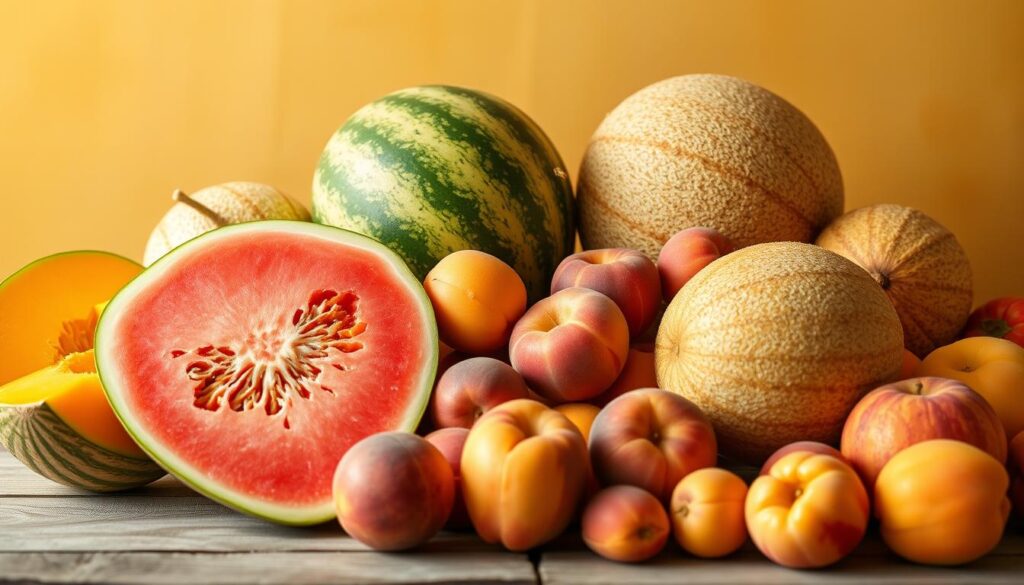
Among the melons, cantaloupe and honeydew stand out for their refreshing taste and low calorie count. A cup of cantaloupe balls contains about 54 calories, while a cup of diced honeydew has around 46 calories. Stone fruits like peaches and plums are also nutritious and filling, with a medium peach having about 59 calories and a plum around 30 calories.
When They’re in Season
The availability of melons and stone fruits varies by region but generally peaks during the summer months. Cantaloupe and honeydew melons are typically at their best from June to October. Peaches are usually ripe between May and September, while plums can be enjoyed from May to October, depending on the variety.
Selection and Ripeness Tips
Choosing the right melon or stone fruit can be a bit tricky, but here are some tips:
- For melons, a sweet, slightly musky aroma is a good indicator of ripeness.
- Stone fruits should be slightly soft to the touch and have a sweet fragrance.
- Avoid fruits with bruises or blemishes, as they can be overripe or damaged.
By incorporating these seasonal fruits into your diet, you can enjoy a variety of flavors while keeping your calorie intake in check.
Incorporating the Lowest Calorie Fruit into Your Daily Diet
Incorporating low-calorie fruits into your diet can be a game-changer for healthy eating. These fruits not only provide essential nutrients but also add variety to your meals and snacks.
Breakfast and Snack Ideas
Start your day with a nutritious breakfast by adding low-calorie fruits like strawberries or watermelon to your oatmeal or yogurt. For snacks, consider pairing sliced apples with almond butter or enjoying a handful of berries as is.
Some other fruit recipes for breakfast include blending your favorite fruits into a smoothie or topping whole-grain toast with fresh fruit and a sprinkle of cinnamon.
Dessert Alternatives
Satisfy your sweet tooth with low-calorie desserts made from fruits. For example, grill slices of pineapple or peaches and serve with a dollop of Greek yogurt.
Another idea is to freeze grapes or berries and enjoy them as a cool treat on a warm day.
Smoothies and Fruit-Infused Water
Blend your favorite low-calorie fruits with a little water or unsweetened almond milk to create a refreshing smoothie. You can also infuse water with slices of citrus fruits or cucumber for a light and refreshing drink.
“The doctor of the future will no longer treat the human frame with drugs, but rather will cure and prevent disease with nutrition.”
– Thomas Edison.
By incorporating these ideas into your daily routine, you can enjoy the benefits of low-calorie fruits while keeping your diet interesting and varied.
Common Questions About Fruit and Calories
Many consumers have questions about how fruits fit into their diet, particularly when it comes to calorie content and preparation methods like freezing or drying. Understanding these aspects can help individuals make informed choices that align with their dietary goals.
Does Freezing Affect Calorie Content?
Freezing fruits does not significantly alter their calorie content. The process of freezing helps preserve the fruit’s nutritional value, including its calorie count, by locking in the natural state of the fruit at the time of freezing. Thus, frozen fruits can be a nutritious and low-calorie addition to a diet, offering a convenient alternative to fresh fruits, especially when certain fruits are out of season.
Are Dried Fruits Low-Calorie?
Dried fruits are not typically considered low-calorie. The drying process concentrates the natural sugars and calories found in the fruit, making dried fruits more calorie-dense than their fresh counterparts. For example, a cup of fresh apricots might contain around 74 calories, whereas a cup of dried apricots can contain up to 212 calories. However, dried fruits can still be part of a healthy diet when consumed in moderation.
Should You Avoid Fruits When Dieting?
Fruits should not be avoided when dieting. They are naturally low in calories, rich in fiber, and high in water content, making them very filling. This can help reduce overall calorie intake by making one feel fuller for longer. Additionally, fruits are packed with vitamins, minerals, and antioxidants that are essential for maintaining good health during a diet.
| Fruit Type | Fresh Calories | Dried Calories |
|---|---|---|
| Apricots | 74 | 212 |
| Apples | 95 | 170 |
| Cranberries | 46 | 130 |
Conclusion
Incorporating low-calorie fruits into your diet can be a game-changer for your overall health and nutrition. As discussed, fruits like strawberries, watermelon, and citrus fruits are not only delicious but also packed with nutrients and low in calories, making them ideal healthy snacks.
These fruits offer a range of benefits, from supporting weight management to providing essential vitamins and antioxidants. By making informed choices about the fruits you consume, you can enjoy a balanced diet that is both satisfying and nutritious.
So, explore the variety of low-calorie fruits available and get creative with how you include them in your meals and snacks. Whether you’re looking for a refreshing snack or a nutritious addition to your meals, low-calorie fruits are a great choice for a healthier you.