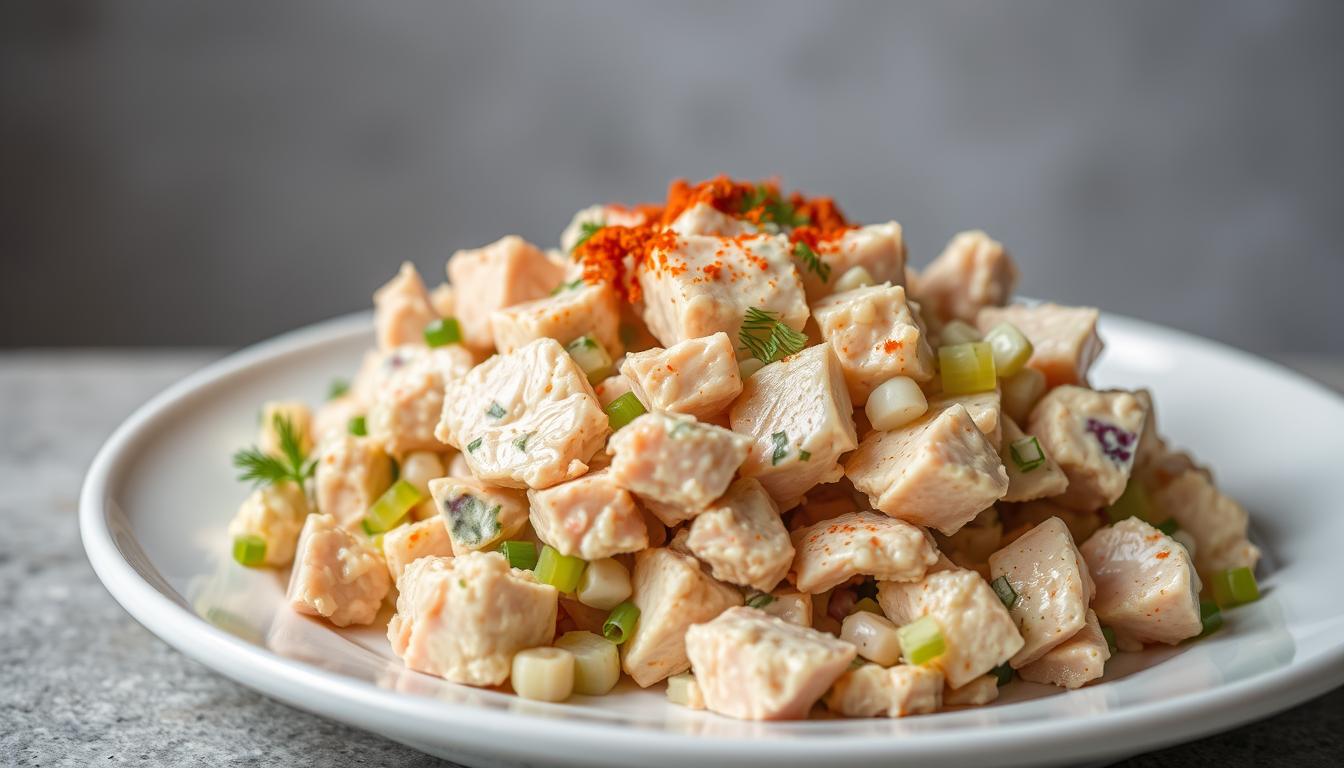
Delicious Tuna Salad Recipe: Easy, Creamy, and Satisfying
Looking for a quick and satisfying meal? A delicious tuna salad is a perfect solution. This easy-to-make dish is not only creamy and flavorful but also packed with nutrients, making it a great option for a healthy lunch or dinner.
Making a tuna salad recipe is straightforward. With just a few ingredients, you can create a dish that’s both filling and delicious. It’s ideal for those seeking a protein-rich meal without spending too much time in the kitchen.
Key Takeaways
- Easy to prepare with minimal ingredients
- Packed with protein and nutrients
- Can be customized to suit various tastes
- Perfect for a quick lunch or dinner
- Ideal for meal prep or on-the-go meals
Introduction to Tuna Salad
With its rich history and versatility, tuna salad has become a classic dish that never goes out of style. This beloved recipe is not only easy to make but also offers a delicious way to enjoy tuna, packed with protein and nutrients.
Tuna salad has been a staple in many cuisines around the world, particularly for its simplicity and flavor. It’s a dish that can be customized to suit any taste, making it a favorite among many.
What Makes Tuna Salad Special?
Tuna salad stands out for its ease of preparation and the flexibility it offers in terms of ingredients. You can easily customize it to suit your dietary preferences or what’s available in your pantry.
One of the key factors that make tuna salad special is its protein content. Tuna is an excellent source of protein, making the salad a satisfying and filling meal option.
| Benefits | Description |
|---|---|
| High in Protein | Tuna is an excellent source of protein, making tuna salad a great option for a filling meal. |
| Versatile | The ingredients in tuna salad can be adjusted to suit any taste or dietary requirement. |
| Easy to Prepare | Making tuna salad is straightforward and quick, perfect for a busy day. |
Brief History of Tuna Salad
Tuna salad has its roots in the early 20th century when canned tuna became widely available. It quickly gained popularity as a convenient and affordable meal option.
Over the years, tuna salad has evolved, with various regions adding their own twist to the recipe. Today, it’s enjoyed worldwide in many different forms, from a simple easy tuna salad to more elaborate versions with additional ingredients.
Essential Ingredients for Tuna Salad
To make a healthy tuna salad, it’s crucial to begin with the freshest and most nutritious ingredients available. The quality of the ingredients directly impacts the taste and nutritional value of the salad.
The foundation of any tuna salad is, of course, the tuna itself. Let’s dive into the specifics of choosing the right type of tuna and other ingredients that can enhance your homemade tuna salad.
Types of Tuna to Use
When it comes to selecting tuna for your salad, there are several options available. The most commonly used types are skipjack, albacore, and yellowfin tuna. Each type has its unique flavor profile and texture.
- Skipjack tuna is known for its robust flavor and firm texture, making it a popular choice.
- Albacore tuna, on the other hand, has a lighter flavor and is often preferred for its mild taste.
- Yellowfin tuna offers a balance between the two, with a slightly sweeter flavor.
For a healthy tuna salad, it’s recommended to choose tuna that is sustainably sourced and low in mercury, such as skipjack or albacore.
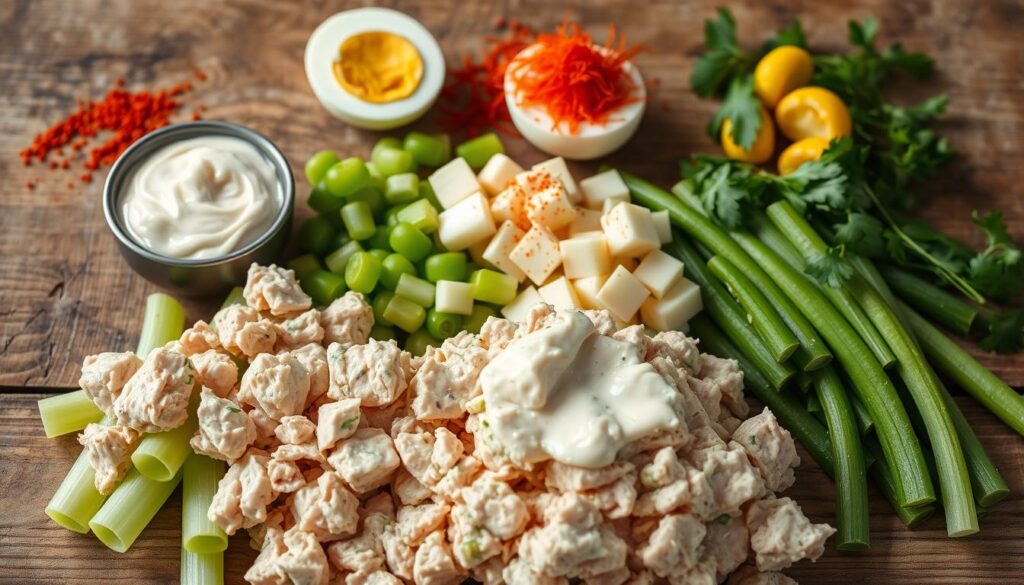
Additional Ingredients You Might Like
Beyond the tuna, other ingredients can significantly enhance the flavor and nutritional profile of your salad. Consider adding vegetables like onions, celery, or carrots for added crunch and flavor.
For dressing, while mayonnaise is a classic choice, you might also consider healthier alternatives like Greek yogurt or avocado. These not only add creaminess but also boost the nutritional value of your homemade tuna salad.
Herbs and spices can also be used to add flavor without extra calories. Popular choices include dill, parsley, and a squeeze of lemon juice.
Preparing the Tuna
Preparing the tuna is a crucial step in making the best tuna salad. It involves a couple of key steps that ensure your salad turns out fresh and flavorful.
How to Properly Drain Tuna
Draining the tuna is essential to avoid a soggy salad. To do this, start by opening the can and pouring off the liquid. You can use a strainer or simply tilt the can over the sink to drain the liquid. Make sure to press gently on the tuna to remove excess liquid, but be careful not to break up the tuna at this stage.
After draining, you can give the tuna a quick rinse under cold water to remove any remaining liquid or canning residue. This step is optional but can help improve the flavor of your tuna salad.
Tips for Flaking Tuna
Flaking the tuna is the next step, and it’s crucial for achieving the right texture in your simple tuna salad. Use a fork to gently break the tuna into small flakes. Be gentle to avoid mashing the tuna, which can make it unappetizingly mushy.
The size of the flakes can vary depending on your preference. Some people like their tuna salad with larger chunks, while others prefer it finely flaked. Experiment to find what works best for you.
| Flaking Method | Resulting Texture | Best For |
|---|---|---|
| Gentle Fork Flaking | Coarse, chunky | Those who like texture in their tuna salad |
| Fine Fork Flaking | Fine, smooth | Simple tuna salad with a uniform texture |
By following these steps, you’ll be well on your way to making a delicious and satisfying tuna salad that’s sure to become a favorite.
The Best Creamy Dressing for Tuna Salad
The right dressing can transform a simple tuna salad into a delicious and refreshing meal. When preparing tuna salad, the type of dressing used can greatly impact its overall flavor and texture.
A creamy dressing is often preferred for tuna salad as it adds a rich and smooth texture. The most traditional and widely used creamy dressing is mayonnaise.
Classic Mayonnaise vs. Alternatives
Mayonnaise has been the go-to dressing for tuna salad for decades due to its creamy texture and neutral flavor. However, there are alternatives for those looking for a lighter or dairy-free option. Some popular alternatives include:
- Greek yogurt: Adds a tangy flavor and extra protein.
- Avocado: Provides a creamy texture with healthy fats.
- Sour cream: Offers a rich and tangy flavor.
These alternatives can be used alone or mixed with mayonnaise to create a dressing that suits your taste preferences.
Adding Flavor with Herbs and Spices
To enhance the flavor of your tuna salad, you can add various herbs and spices to the dressing. Some popular options include:
- Dill: Adds a fresh and bright flavor.
- Mustard: Provides a tangy and slightly spicy kick.
- Chives: Offers a mild onion flavor.
Experimenting with different combinations of herbs and spices can help you create a unique and delicious tuna salad dressing. For a variation similar to tuna pasta salad, you can add some chopped fresh herbs like parsley or basil.
Customizing Your Tuna Salad
Customizing tuna salad is where the fun begins, with endless options to suit any palate. Whether you’re looking to add some crunch, mix in different flavors, or boost the protein content, tuna salad is incredibly versatile.
Adding Vegetables for Crunch
Adding vegetables is one of the simplest ways to enhance your tuna salad. Consider incorporating crunchy vegetables like diced celery, chopped onions, or sliced bell peppers to add texture. You can also add some fresh herbs like parsley or dill for extra flavor.
- Celery for a classic crunch
- Onions for a sweet and savory taste
- Bell peppers for a bit of color and sweetness
Using Different Proteins
While tuna is the star of the dish, you can mix in other proteins to create a more substantial salad. Hard-boiled eggs are a great addition, providing extra protein and creaminess when mixed with mayonnaise. You could also consider adding some chopped bacon for a smoky flavor or chickpeas for a vegetarian protein boost.
- Hard-boiled eggs for added creaminess
- Chopped bacon for a smoky flavor
- Chickpeas for a vegetarian protein option
By experimenting with different combinations of vegetables and proteins, you can create a tuna salad that is not only delicious but also tailored to your dietary preferences and needs.
Serving Suggestions
Tuna salad is a versatile dish that can be enjoyed in numerous ways. Whether you’re looking for a quick lunch or a satisfying dinner, there are many creative ways to serve your homemade tuna salad.
Tuna Salad Sandwiches
A classic tuna salad sandwich is a timeless favorite. To make one, simply spoon your best tuna salad onto your favorite bread, add some lettuce, tomato, and a slice of cheese if you like, and you’re good to go.
Consider using whole grain bread for a nutritious twist or a crusty baguette for a more rustic feel. For a more indulgent treat, try making a tuna salad sandwich with avocado or bacon.
Creative Ways to Serve Tuna Salad
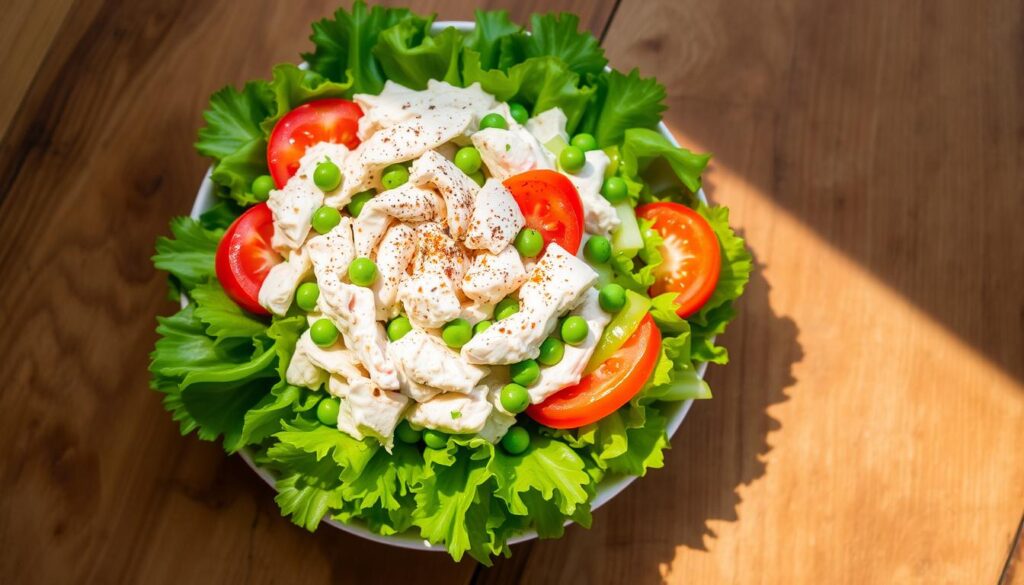
If you’re looking to mix things up, there are plenty of creative ways to serve tuna salad beyond the classic sandwich. Try serving it on top of a bed of greens for a light and refreshing salad.
You can also serve tuna salad on crackers or crostini for a quick and easy snack. For a more substantial meal, consider mixing it with pasta or quinoa and adding some diced vegetables.
Tuna Salad Storage Tips
Proper storage is crucial for maintaining the freshness and safety of your tuna salad. Whether you’re dealing with leftovers or preparing it in advance, knowing how to store your tuna salad correctly can make a significant difference in its quality and taste.
Keeping Leftovers Fresh
To keep your healthy tuna salad fresh for as long as possible, it’s essential to store it in an airtight container. This prevents air, moisture, and other contaminants from affecting the salad. Make sure the container is sealed tightly and kept in the refrigerator at a temperature below 40°F (4°C).
When storing, consider the ingredients you’ve used in your classic tuna salad. If you’ve added mayonnaise or other perishable ingredients, it’s crucial to refrigerate it promptly and consume it within a day or two for the best quality.
How Long Can You Store Tuna Salad?
The storage duration of tuna salad depends on several factors, including the ingredients used and how it’s stored. Generally, a classic tuna salad made with canned tuna, mayonnaise, and other common ingredients can be safely stored in the refrigerator for up to 3 to 5 days.
- Check the salad for any signs of spoilage before consuming it, such as an off smell, slimy texture, or mold.
- If you’ve used fresh ingredients like onions or hard-boiled eggs, consider the storage life of these items when determining how long your tuna salad will last.
- Always store tuna salad in the coldest part of your refrigerator to maintain its freshness.
By following these storage tips, you can enjoy your healthy tuna salad over several days while maintaining its quality and safety.
Nutritional Benefits of Tuna Salad
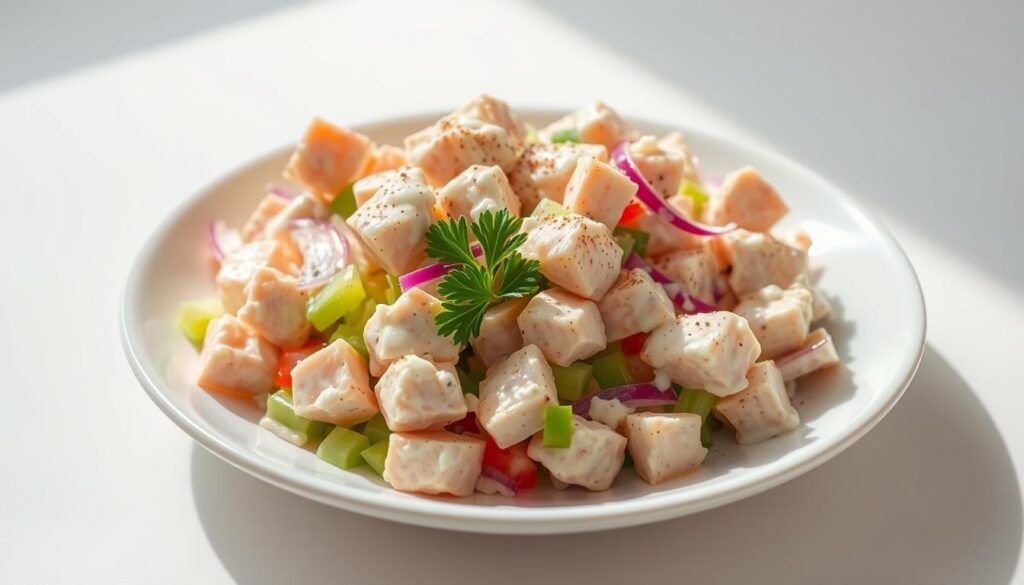
The nutritional benefits of tuna salad are numerous, including high protein content and healthy fats that support overall well-being. Tuna salad, particularly when made with fresh ingredients and minimal added salt or sugar, can be a nutritious and healthy meal option. It’s a great way to incorporate protein and omega-3 fatty acids into your diet.
Protein and Healthy Fats in Tuna
Tuna is an excellent source of protein, which is essential for building and repairing muscles. A typical serving of tuna salad can provide a significant amount of your daily protein needs. Additionally, tuna is rich in healthy fats, particularly omega-3 fatty acids, which are known to support heart health and reduce inflammation.
- High-quality protein for muscle repair and growth
- Omega-3 fatty acids for heart health
- Low in saturated fats, making it a heart-healthy choice
Low-Calorie Variations
One of the benefits of tuna salad is its versatility, allowing you to create low-calorie variations that still pack plenty of flavor. By using ingredients like low-fat mayonnaise or Greek yogurt, you can reduce the calorie count without sacrificing creaminess. Adding plenty of vegetables like onions, carrots, and celery can also enhance the nutritional value.
- Use low-fat mayonnaise or Greek yogurt as a base
- Add plenty of vegetables for fiber and vitamins
- Limit the amount of added salt and sugar
Creating a simple tuna salad with these considerations in mind can result in a nutritious meal that’s not only good for you but also delicious. Whether you’re making a tuna pasta salad or a simple tuna salad, the key is to use fresh, wholesome ingredients.
Frequently Asked Questions About Tuna Salad
As a popular choice for a quick and healthy meal, tuna salad often raises questions about its suitability for meal prep and how to make it even healthier. Let’s dive into some of the most common queries.
Is Tuna Salad Good for Meal Prep?
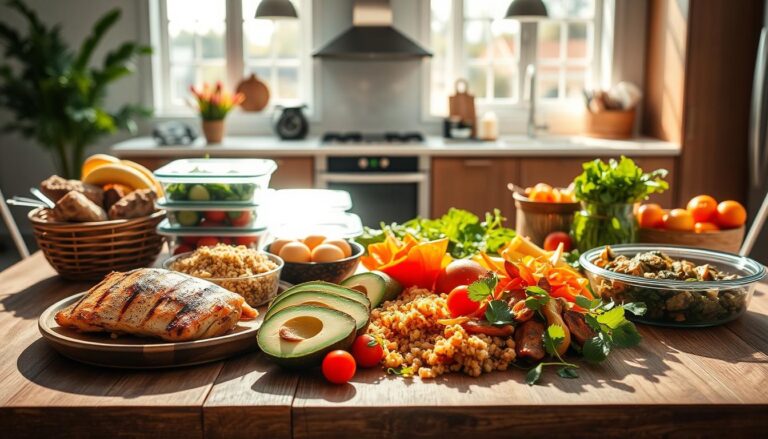
Tuna salad is an excellent choice for meal prep due to its high protein content, ease of preparation, and versatility. It can be made in large batches and refrigerated or taken on the go. To keep it fresh, store it in an airtight container in the refrigerator at a temperature below 40°F (4°C). When properly stored, tuna salad can last for 3 to 5 days.
Tips for Meal Prep:
- Prepare a large batch of tuna salad on the weekend.
- Portion it out into individual containers for easy grab-and-go lunches.
- Consider adding different vegetables or proteins to keep the salad interesting throughout the week.
How Can I Make Tuna Salad Healthier?
Making tuna salad healthier involves a few simple tweaks to the traditional recipe. First, choose canned tuna in water over oil to reduce fat content. Then, consider alternatives to mayonnaise, such as Greek yogurt or avocado, to add creaminess without the extra calories.
Nutritional Enhancements:
- Add plenty of vegetables like onions, carrots, or celery for extra fiber and vitamins.
- Use herbs and spices to add flavor instead of salt and sugar.
- Opt for whole grain bread or crackers when serving to increase the fiber content of your meal.
By implementing these strategies, you can enjoy a delicious tuna salad that’s both satisfying and nutritious.
Conclusion
Now that you’ve learned how to make a delicious homemade tuna salad, it’s time to get creative in the kitchen. This easy tuna salad recipe serves as a great base that you can customize to suit your taste preferences.
Key Takeaways from the Recipe
The recipe combines the richness of tuna with the creaminess of mayonnaise, along with some crunchy vegetables for added texture. Feel free to experiment with different ingredients to create your own unique flavor.
Experimenting with New Flavors
Try adding different herbs and spices to give your tuna salad a personalized touch. You can also mix in other proteins or vegetables to enhance the nutritional value and flavor of your easy tuna salad.
With this homemade tuna salad recipe, you’re just a few steps away from enjoying a healthy and satisfying meal. So, don’t be afraid to get creative and make it your own!