Easy Dirty Rice Recipe: A Flavorful Classic
Welcome to our comprehensive guide on making an Easy Dirty Rice Recipe: a traditional Cajun dish that’s a staple in many Southern households. This flavorful classic is perfect for any occasion, and we’re excited to share our simple yet authentic homemade dirty rice recipe with you.
With this guide, you’ll learn how to prepare a delicious and flavorful dish that’s sure to become a favorite. Our dirty rice recipe is easy to follow, and we’ll walk you through each step to ensure you achieve the best results.
Key Takeaways
- Learn how to make a traditional Cajun dirty rice recipe
- Discover the secrets to a flavorful and aromatic homemade dirty rice
- Find out how to customize the recipe to suit your taste
- Get tips on cooking the perfect dirty rice every time
- Explore the rich history and cultural significance of dirty rice in Southern cuisine
What is Dirty Rice?
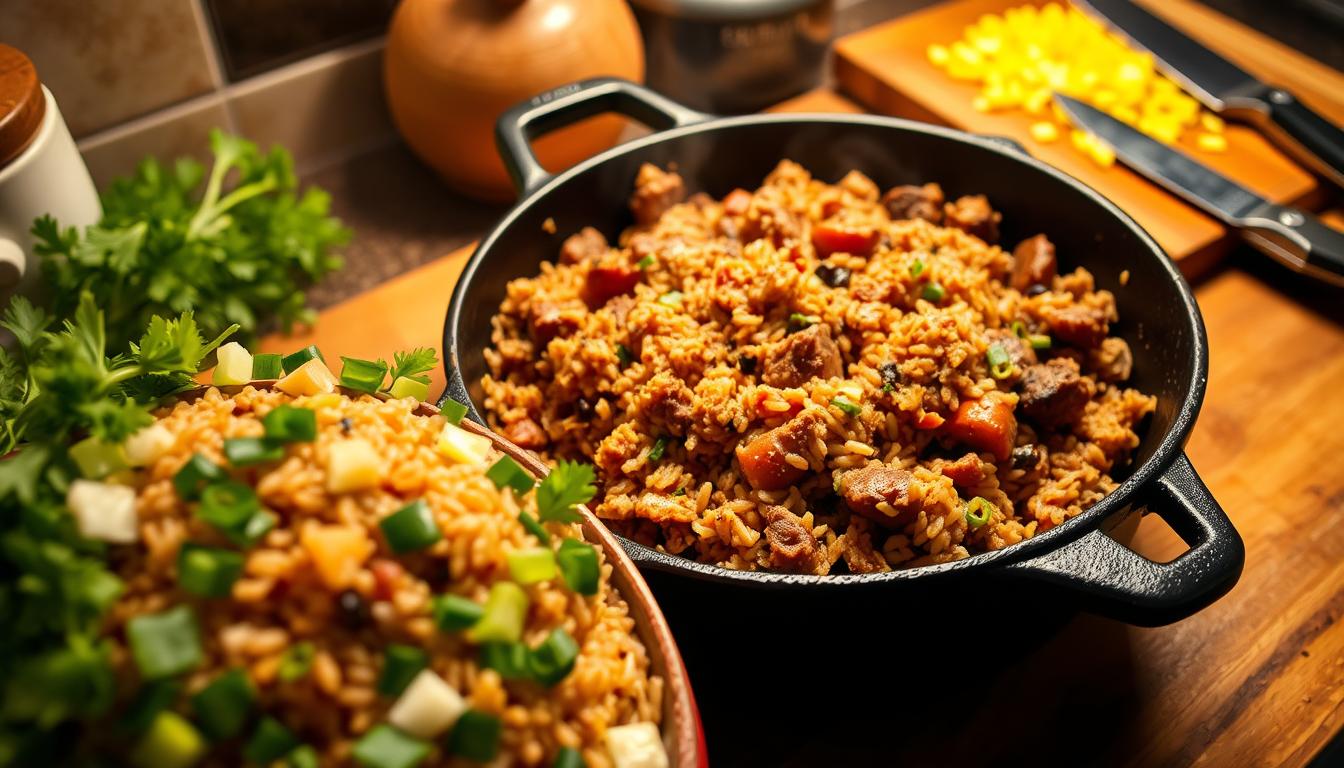
Traditional dirty rice recipes have been passed down through generations in Louisiana, showcasing the rich culinary heritage of the Cajun community. Dirty rice, a staple in Cajun cuisine, is characterized by its mixture of rice, various meats or seafood, and a blend of spices, giving it a distinctive appearance and flavor.
Origins of Dirty Rice
Dirty rice originated in Louisiana, where Cajun and Creole cuisines have a significant influence. The dish is believed to have been created as a way to make use of all available ingredients, including leftover rice and various meats. This resourcefulness is a hallmark of Cajun cooking, reflecting the community’s history and cultural identity.
The name “dirty rice” refers to the “dirty” appearance of the rice after it’s cooked with a mixture of ingredients, including meat, vegetables, and spices. This traditional method of cooking not only adds flavor but also gives the rice its characteristic look.
Traditional Ingredients
Authentic dirty rice is made with a combination of ingredients that are fundamental to Cajun cuisine. The core components include:
- Rice: Long-grain rice is typically used.
- Meat or Seafood: Commonly used meats include sausage, chicken, and sometimes seafood.
- Vegetables: Onions, bell peppers, and celery are the traditional “holy trinity” of Cajun cooking.
- Spices: A blend of spices, including paprika, thyme, and cayenne pepper, adds depth to the dish.
| Ingredient | Role in Dirty Rice |
|---|---|
| Rice | Base of the dish, providing carbohydrate and texture. |
| Sausage/Meat | Adds protein and flavor. |
| Vegetables | Contributes to the flavor and texture. |
| Spices | Enhances the overall flavor profile. |
Cultural Significance
Dirty rice holds a special place in Cajun culture, often being served at family gatherings, social events, and holidays. It’s a dish that brings people together, symbolizing community and tradition. The preparation of dirty rice is often a family affair, with recipes being passed down through generations.
The cultural significance of dirty rice extends beyond its taste; it represents the resourcefulness and hospitality that are characteristic of Cajun culture. As a traditional dish, it continues to play a vital role in Louisiana’s culinary identity.
Key Ingredients for Dirty Rice
When it comes to making dirty rice, the ingredients you choose are crucial. A traditional dirty rice recipe is all about combining simple ingredients to create a flavorful and filling dish.

Rice Varieties to Use
The type of rice you use can significantly impact the final dish. For a classic dirty rice, it’s best to use a long-grain rice variety. Jasmine rice and basmati rice are excellent choices due to their fluffy texture and mild flavor, which absorb the spices and meat flavors well.
Using the right rice variety is crucial for a gluten-free dirty rice, as most rice is naturally gluten-free. However, it’s essential to check the packaging to ensure it hasn’t been processed in a facility with gluten-containing grains.
Meats and Proteins
The protein component adds depth and richness to the dirty rice. Traditional recipes often call for ground sausage, which provides a spicy kick. However, you can also use chicken, shrimp, or a combination of meats to suit your taste.
For a spicy dirty rice, using spicy sausage or adding diced jalapeños can enhance the heat. The key is to cook the meat thoroughly and break it down into small pieces to distribute the flavor evenly.
Vegetables and Spices
Vegetables like onions, bell peppers, and celery are the holy trinity of Cajun cooking and form the base of a good dirty rice. They add texture, flavor, and aroma to the dish.
A blend of spices is what gives dirty rice its characteristic flavor. Paprika, thyme, and a pinch of cayenne pepper are staples. You can adjust the amount of spices to your liking, but these basics provide a solid foundation for a one-pot dirty rice that’s both flavorful and convenient.
Step-by-Step Dirty Rice Preparation
Now that we have gathered all the necessary ingredients, let’s dive into the process of making delicious homemade dirty rice. This traditional dish is a staple in many cuisines, and with our guide, you’ll be able to prepare it with ease.
Cooking the Rice
The first step in making dirty rice is cooking the rice. It’s essential to follow the package instructions for the right water-to-rice ratio. Generally, for most rice varieties, a 2:1 water-to-rice ratio is recommended. Bring the water to a boil, add the rice, cover, reduce the heat to low, and simmer until the water is absorbed and the rice is tender.
Tip: Using a rice cooker can simplify this process and ensure perfectly cooked rice every time.
Sautéing the Meat and Vegetables
While the rice is cooking, heat some oil in a large skillet over medium-high heat. Add your choice of meat (such as sausage or chicken) and cook until browned, breaking it up into small pieces as it cooks. Then, add the chopped vegetables (like onions, bell peppers, and celery) and continue to sauté until they are softened.
Combining and Simmering
Once the rice is cooked and the meat and vegetables are sautéed, it’s time to combine everything. In a large mixing bowl or pot, combine the cooked rice, meat, and vegetable mixture. Add your choice of spices and seasonings, and stir well to ensure everything is fully incorporated. Then, transfer the mixture back into the skillet or a large saucepan, and simmer over low heat for about 10-15 minutes, stirring occasionally, to allow the flavors to meld together.
As Lebeau’s Cookbook suggests, “The key to a great dirty rice is in the layering of flavors.” This is achieved by cooking each component separately before combining them, ensuring that every bite is full of flavor.
| Cooking Method | Time | Result |
|---|---|---|
| Cooking Rice | 15-20 minutes | Tender Rice |
| Sautéing Meat and Vegetables | 5-7 minutes | Browned and Softened |
| Simmering Combined Mixture | 10-15 minutes | Flavors Melded Together |
By following these steps, you’ll be able to create a delicious and authentic dirty rice dish that’s sure to become a favorite. Whether you’re making it for a weeknight dinner or a special occasion, this easy dirty rice recipe is sure to please.
Tips for a Perfect Dirty Rice
For those looking to master the art of dirty rice, a few expert tips can make all the difference. Achieving the perfect balance of flavors and textures is key to creating an authentic dirty rice dish that will impress.
Choosing the Right Meat
The type of meat used in dirty rice can significantly impact its flavor profile. Traditional options include ground sausage, chicken, or shrimp. For a Cajun dirty rice, using andouille sausage can add a nice smokiness.
| Meat Option | Flavor Profile |
|---|---|
| Ground Sausage | Spicy, savory |
| Chicken | Mild, versatile |
| Shrimp | Light, seafood flavor |
Enhancing Flavor with Spices
Spices play a crucial role in elevating the flavor of dirty rice. A blend of paprika, thyme, and cayenne pepper can give your dish a bold, spicy dirty rice flavor. Adjust the amount of cayenne pepper to suit your desired level of heat.
Adjusting Cooking Time
Cooking time is critical to achieving perfectly cooked dirty rice. The rice should be tender but not mushy. Adjust the cooking time based on the type of rice and meat used. Generally, cooking on low heat for a longer period helps to meld the flavors together.
- Use a heavy-bottomed pot to distribute heat evenly.
- Stir occasionally to prevent the rice from sticking to the bottom.
- Adjust the seasoning before serving to ensure the flavors are balanced.
Vegetarian and Vegan Variations
Exploring vegetarian and vegan dirty rice opens up a world of flavor and creativity in the kitchen. This beloved dish can easily be adapted to suit plant-based diets, offering a delicious and satisfying meal for everyone.
Substituting Meat
For vegetarians and vegans, substituting meat in dirty rice is straightforward. Options like portobello mushrooms, eggplant, and tofu can provide the texture and flavor typically associated with meat. These ingredients absorb the spices and seasonings, making them perfect substitutes.
Plant-Based Protein Options
Incorporating plant-based proteins can enhance the nutritional value and flavor of your dirty rice. Tempeh and seitan are excellent choices, offering a meaty texture that pairs well with the spices in dirty rice. For vegans, ensuring that the protein source is free from animal products is crucial.
Flavorful Add-ins
To maintain the characteristic flavor of dirty rice, adding a variety of vegetables and spices is essential. Bell peppers, onions, and garlic are staples that add depth and complexity. Additionally, spices like paprika, cayenne pepper, and thyme can elevate the dish, making it gluten-free and suitable for various dietary needs.
By incorporating these elements, vegetarians and vegans can enjoy a dirty rice dish that is not only delicious but also tailored to their dietary preferences. Experimenting with different combinations of ingredients can lead to a truly personalized and satisfying meal.
Serving Suggestions
Now that you’ve mastered the art of making one-pot dirty rice, it’s time to explore the various ways to serve it. This versatile dish can be the centerpiece of a meal or a complementary side dish, depending on your preferences.
Ideal Pairings for Dirty Rice
Dirty rice pairs well with a variety of main courses. For a traditional Southern meal, consider serving it alongside grilled chicken or fried catfish. The smoky flavor of grilled meats complements the spicy, savory taste of dirty rice. If you prefer something lighter, it also goes well with roasted vegetables or a fresh green salad.
For a more substantial meal, you can pair your easy dirty rice with grilled sausages or blackened steak. The key is to balance the flavors so that the dirty rice enhances the main course without overpowering it.
| Main Course | Why It Pairs Well |
|---|---|
| Grilled Chicken | The smoky flavor complements the spicy taste of dirty rice. |
| Roasted Vegetables | A lighter option that balances the savory flavor of dirty rice. |
| Grilled Sausages | The spices in the sausages match well with the traditional dirty rice recipe. |
Garnishing Your Dish
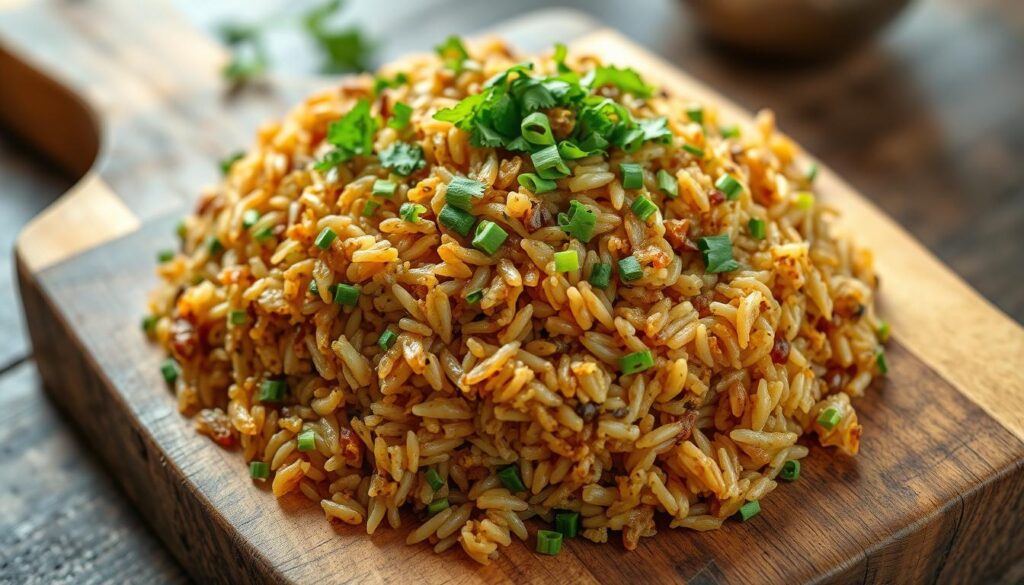
Garnishing your dirty rice can add a pop of color and freshness to the dish. Consider using fresh herbs like parsley, thyme, or scallions. A sprinkle of chopped green onions or a few leaves of fresh parsley can make the dish more visually appealing.
For an added crunch, you can top your dirty rice with toasted breadcrumbs or crushed crackers. This not only adds texture but also helps to balance the softness of the rice.
Storing and Reheating Leftovers
One of the advantages of making a large batch of dirty rice is having leftovers for future meals. To store, place the cooled dirty rice in an airtight container and refrigerate for up to 3 days.
To reheat, you can use the microwave or stovetop. If using the microwave, cover the dish with a damp paper towel to maintain moisture. On the stovetop, add a splash of water or broth to prevent drying out, and heat over low until warmed through.
“The best way to reheat dirty rice is to add a bit of liquid and heat it gently, ensuring it stays moist and flavorful.”
By following these serving suggestions, you can enjoy your traditional dirty rice in various ways and make it a staple in your meal planning.
Common Mistakes to Avoid
The key to a delicious homemade dirty rice lies in avoiding a few critical mistakes. While making dirty rice can be a straightforward process, certain common pitfalls can lead to an unappetizing or inconsistent dish. By understanding these mistakes, you can ensure your dirty rice turns out flavorful and satisfying every time.
Overcooking the Rice
One of the most common mistakes when making dirty rice is overcooking the rice. When rice is overcooked, it becomes mushy and unappetizing. To avoid this, it’s crucial to monitor the cooking time closely and use the right type of rice. Using a medium to long-grain rice, like jasmine or basmati, can help achieve the perfect texture.
Tip: Stir the rice occasionally while it simmers to prevent it from sticking to the bottom of the pan.
Using Too Many Spices
Dirty rice is known for its bold flavors, but using too many spices can overpower the dish. The key is to strike a balance between the various ingredients. Start with a moderate amount of spices and adjust to taste. Remember, you can always add more seasoning, but it’s harder to remove excess spice.
Neglecting Proper Measurements
Neglecting proper measurements can lead to an inconsistent flavor or texture in your dirty rice. Using too much liquid can result in a soggy mess, while too little can cause the rice to be dry and undercooked. Measuring your ingredients accurately is crucial for achieving the perfect consistency.
| Ingredient | Measurement | Importance |
|---|---|---|
| Rice | 1 cup | Base of the dish |
| Liquid | 2 cups | Affects texture |
| Spices | Varies | Enhances flavor |
By being mindful of these common mistakes and taking steps to avoid them, you can create a delicious and authentic Cajun dirty rice that will impress your family and friends.
Frequently Asked Questions
For those new to dirty rice or looking to refine their technique, several frequently asked questions can provide clarity.
Can I Use Instant Rice?
Using instant rice can be a convenient option, but it’s essential to understand its implications on the dish’s flavor and texture. Instant rice cooks faster and can be a good alternative when you’re short on time. However, it might not absorb flavors as well as regular rice. To make it work, follow the package instructions for cooking, and adjust the seasoning accordingly. You can still achieve a flavorful one-pot dirty rice by adding spices and ingredients during the last few minutes of cooking.
How to Make It Spicier?
If you prefer a spicy dirty rice, there are several ways to increase the heat. You can add diced jalapeños or serrano peppers to the pot when sautéing the vegetables. Another option is to incorporate spicy sausage or hot sauce into the dish. For those who like a slow build-up of heat, adding a pinch of cayenne pepper or red pepper flakes can be effective. Remember, when adding spice, it’s easier to increase the heat than to remove it, so start with a small amount and adjust to taste.
Tips for Meal Prepping
Dirty rice is an excellent candidate for meal prepping. To make it ahead of time, cook the rice and let it cool completely. Then, portion it into individual containers and refrigerate or freeze. When reheating, add a splash of water or broth to revive the dish. You can also prepare the ingredients in advance, such as chopping vegetables or cooking proteins, to make assembly and cooking quicker. This approach is perfect for making easy dirty rice a staple in your meal prep routine.
Conclusion: Enjoying Your Dirty Rice
Now that you’ve mastered the art of making traditional dirty rice, it’s time to share your culinary creation with friends and family. This homemade dirty rice recipe is perfect for gatherings and potlucks, and its gluten-free nature makes it an excellent option for those with dietary restrictions.
Making It a Family Affair
Experimenting with new variations can keep your dirty rice recipe fresh and exciting. Try adding different spices or using various types of protein to give it a personal touch. As you continue to make this dish, it can become a beloved family tradition, passed down through generations.
Sharing the Flavor
Whether you’re serving it alongside your favorite Cajun dishes or as a standalone meal, homemade dirty rice is sure to be a hit. So go ahead, share your gluten-free dirty rice with others, and enjoy the joy it brings to those around the table.