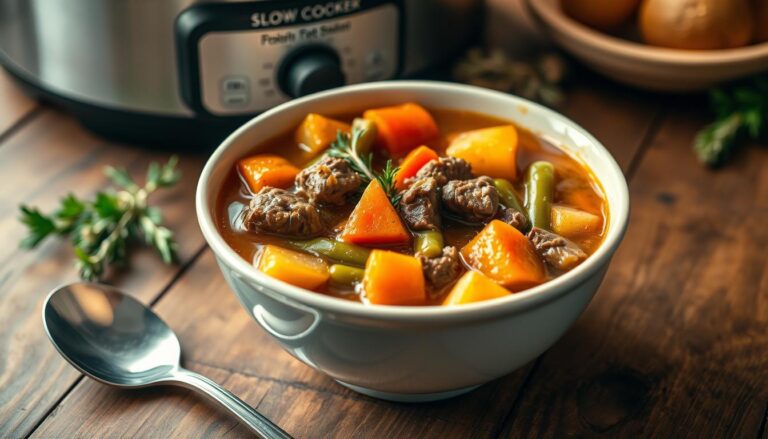

Bone Broth Recipe: Sip Your Way to Wellness
Discover the nourishing world of bone broth, a simple yet potent elixir that has been a staple in many cultures for centuries. Rich in nutrients and flavor, this comforting drink is not just a culinary delight but also a pathway to improved health.
As we explore the benefits of bone broth, you’ll learn how incorporating it into your diet can enhance your overall wellness. From boosting your immune system to supporting joint health, the advantages are numerous.
Key Takeaways
- Understand the nutritional profile of bone broth.
- Learn how bone broth supports overall health.
- Discover simple ways to incorporate bone broth into your daily routine.
- Explore the potential benefits for your immune system and joint health.
- Find out how to make a delicious bone broth at home.
What is Bone Broth and Why It’s Beneficial?
Rich in nutrients, homemade bone broth is a simple way to enhance your overall wellness. This nutritious liquid is packed with minerals, proteins, and other nutrients that are extracted from bones during the cooking process.
Bone broth has been revered for its health benefits, ranging from improving joint health to supporting the immune system. The slow cooking process involved in making bone broth ensures that the bones release their stored nutrients, making them available for absorption by the body.
Nutritional Benefits of Bone Broth
The nutritious bone broth recipe is designed to maximize the extraction of nutrients from the bones. It’s rich in collagen, proteoglycans, and hyaluronic acid, which are beneficial for skin, hair, nail, and joint health.
Additionally, bone broth contains a variety of minerals such as calcium, magnesium, and phosphorus, which are crucial for bone health and other bodily functions.
Collagen and Joint Health
One of the key components of bone broth is collagen, a protein that plays a critical role in maintaining healthy joints. Collagen helps to reduce inflammation and improve joint mobility, making bone broth an excellent dietary addition for individuals suffering from arthritis or other joint-related issues.
Immune System Support
Bone broth is also known to support the immune system. The nutrients present in bone broth, such as amino acids, help to heal and seal the gut lining, thereby enhancing immune function. A healthy gut is essential for a robust immune system, and consuming bone broth regularly can contribute to overall immune health.
Essential Ingredients for Your Bone Broth
The foundation of a nourishing bone broth lies in its ingredients. To make a simple bone broth recipe, you’ll need to focus on the quality and types of bones, aromatics, and vegetables you use.
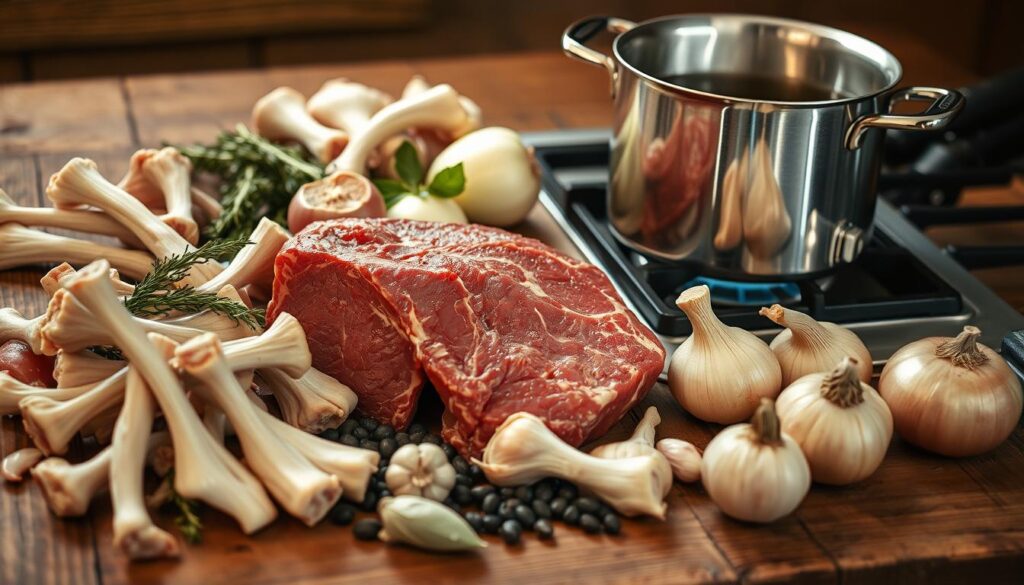
Choosing the Right Bones
Selecting the right bones is crucial for a rich and flavorful broth. You can use bones from various animals, but for an easy bone broth recipe, sticking to one or two types is advisable.
- Marrow bones for richness and depth
- Knuckle bones for collagen and body
- Neck bones and feet for additional collagen
For a basic recipe, a mix of marrow and knuckle bones works well. You can also include some neck bones or feet for extra nutrition.
| Bone Type | Benefits |
|---|---|
| Marrow Bones | Rich in marrow, adds depth to the broth |
| Knuckle Bones | High in collagen, improves broth texture |
| Neck Bones and Feet | Additional collagen, enhances nutritional value |
Aromatics and Vegetables to Enhance Flavor
Aromatics and vegetables add flavor and nutrients to your bone broth. Common choices include onions, carrots, celery, and garlic.
- Onions for a sweet, depthful flavor
- Carrots for a hint of sweetness
- Celery for freshness and complexity
- Garlic for an aromatic boost
These ingredients are sautéed before adding the bones to enhance the overall flavor profile of the broth.
Optional Add-Ins for Extra Nutrition
To boost the nutritional value of your bone broth, consider adding herbs and spices or other nutrient-dense ingredients.
- Herbs like thyme and bay leaves for added antioxidants
- Spices like peppercorns for flavor and digestion aid
- Apple cider vinegar to help extract minerals from the bones
These optional add-ins can enhance the flavor and nutritional profile of your bone broth, making it an even more valuable addition to your diet.
Step-by-Step Bone Broth Recipe
With just a few simple steps, you can create a rich and flavorful bone broth that’s perfect for sipping or using in recipes. Making bone broth at home allows you to control the ingredients and the cooking process, ensuring a product that’s tailored to your taste and nutritional needs.
Preparing the Bones
The first step in making great bone broth is preparing the bones. Whether you’re using beef, chicken, or fish bones, it’s essential to roast them in the oven before simmering to enhance the flavor. Simply place the bones on a baking sheet, drizzle with a little olive oil, and roast at 400°F (200°C) for about 30 minutes, or until they’re nicely browned.
Cooking Methods: Stovetop vs. Slow Cooker
You can cook your bone broth either on the stovetop or using a slow cooker. For stovetop cooking, place the roasted bones in a large pot, cover them with water, and bring to a boil. Then, reduce the heat to a simmer and let it cook for 12-24 hours. For a slow cooker, follow the same initial steps, then transfer everything to the slow cooker and cook on low for 24-48 hours. Using a slow cooker is particularly convenient as it allows for unattended cooking.
Straining and Storing Your Broth
Once your broth is cooked, it’s time to strain it. Carefully pour the broth into a large container or multiple smaller ones through a fine-mesh sieve or cheesecloth to remove the solids. Let the broth cool before refrigerating or freezing it. If you’re wondering how to make bone broth at home that stays fresh, proper storage is key. Refrigerate the broth and use it within 5 days, or freeze it for up to 6 months.
Making bone broth at home is a rewarding process that not only provides you with a nutritious drink but also a versatile ingredient for various recipes. Whether you’re a busy professional or a home cook, incorporating homemade bone broth into your diet can have significant health benefits.
Flavor Variations for Your Bone Broth
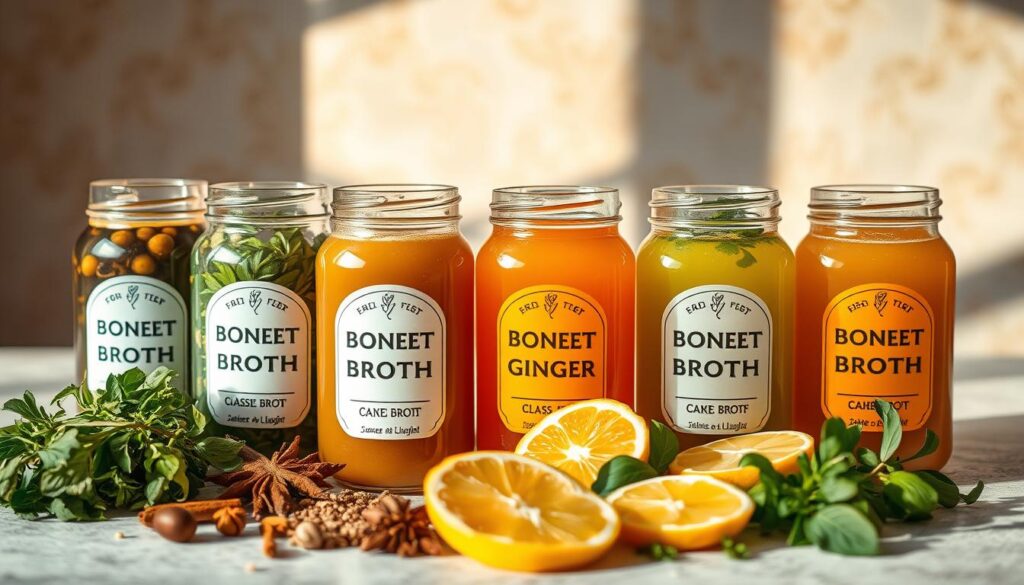
Discover the versatility of bone broth by experimenting with a range of flavors. One of the simplest ways to elevate your bone broth is by adding herbs and spices, which can completely transform the taste and aroma.
Adding Herbs and Spices
Herbs and spices are a great way to add depth and warmth to your bone broth. Some popular options include:
- Turmeric and ginger for an anti-inflammatory boost
- Fresh parsley or cilantro for a fresh, herbal taste
- Cayenne pepper or red pepper flakes for a spicy kick
Unique Flavor Combinations to Try
For those looking to experiment, here are some unique flavor combinations:
- Miso and ginger for a savory, umami flavor
- Lemon juice and garlic for a bright, savory taste
- Cumin and coriander for a warm, earthy flavor
Tips for Pairing with Other Dishes
Bone broth can be paired with a variety of dishes to enhance their flavor. Try using it as a base for soups, stews, or sauces. It can also be served alongside roasted meats or used as a comforting drink on its own.
By experimenting with different flavors and ingredients, you can create a quick bone broth recipe that suits your taste preferences. Whether you’re looking for a simple, comforting drink or a more complex flavor profile, bone broth is a versatile ingredient that can be adapted to suit your needs.
How to Use Bone Broth in Your Cooking
Using bone broth in your cooking not only enhances flavor but also boosts the nutritional value of your meals. Bone broth is a versatile ingredient that can be incorporated into a variety of dishes, making it a staple in many kitchens.
Delicious Bone Broth Soups
Bone broth serves as an excellent base for soups, providing a rich, savory flavor. Some popular options include:
- Classic Chicken Noodle Soup
- Creamy Broccoli Soup
- Minestrone Soup with Vegetables
These soups are not only delicious but also packed with nutrients from the bone broth.
Cooking Grains in Bone Broth
Cooking grains like rice, quinoa, or barley in bone broth adds depth to their flavor and increases their nutritional value. This simple technique can elevate side dishes and make meals more satisfying.
Tips for Cooking Grains in Bone Broth:
- Use a ratio of 2:1 (broth to grain) for a flavorful result.
- Simmer the grains until they are tender and the liquid is absorbed.
- Season with herbs and spices to enhance the flavor.
Incorporating Into Sauces and Stews
Bone broth can be used to enrich sauces and stews, adding moisture and flavor. It’s particularly useful in:
- Gravies and pan sauces
- Beef or vegetable stews
- Casseroles and braised dishes
By incorporating bone broth, you can create more complex and satisfying flavors in your cooking.
Incorporating bone broth into your cooking routine can significantly enhance the nutritional quality and flavor of your meals. Experiment with different recipes and applications to find your favorite ways to use this nutritious ingredient.
Storing and Preserving Your Bone Broth
Storing your bone broth properly is key to preserving its nutritional value and flavor. Whether you’ve made a large batch of homemade bone broth or a simple easy bone broth recipe, proper storage ensures you can enjoy it over time.
Best Practices for Refrigeration
When refrigerating bone broth, it’s essential to cool it down quickly to prevent bacterial growth. You can speed up the cooling process by placing the pot in an ice bath or by transferring the broth to shallow containers.
- Store the broth in airtight containers to prevent contamination and absorption of odors from other foods.
- Label the containers with the date to keep track of how long they’ve been stored.
- Bone broth can typically be safely stored in the refrigerator for 3 to 5 days.
Freezing Bone Broth for Later Use
Freezing is an excellent way to preserve bone broth for extended periods. To freeze, pour the cooled broth into airtight containers or freezer bags, making sure to leave some space for expansion.
| Storage Method | Container Type | Storage Duration |
|---|---|---|
| Refrigeration | Airtight Containers | 3-5 Days |
| Freezing | Airtight Containers or Freezer Bags | Up to 6 Months |
Thawing and Reheating Tips
When you’re ready to use your frozen bone broth, it’s best to thaw it overnight in the refrigerator. Once thawed, reheat the broth to a simmer before consuming.
Reheating Tips:
- Reheat the broth gently to avoid destroying its nutrients.
- You can also reheat bone broth in the microwave, but be sure to stir it well and check the temperature.
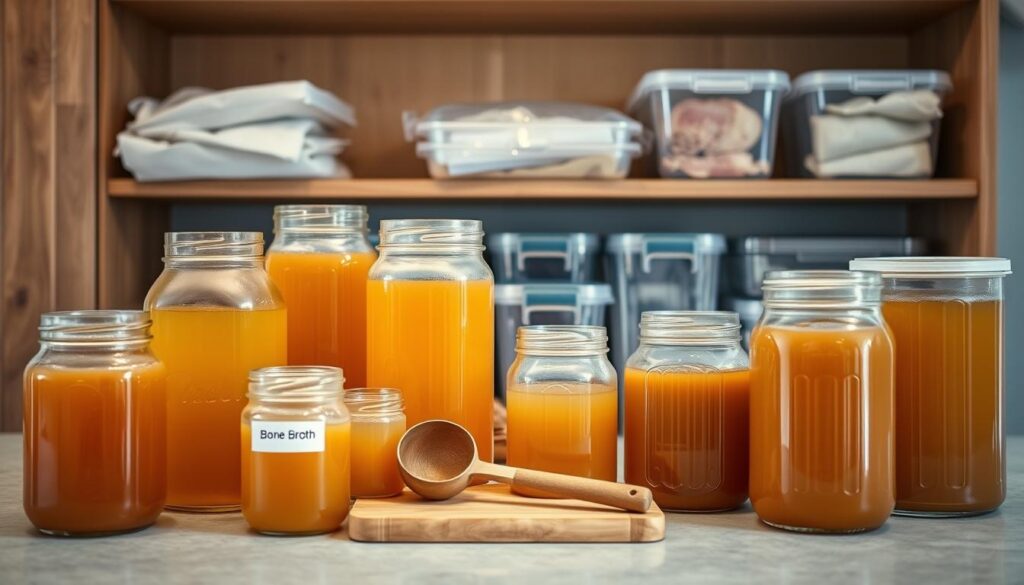
By following these storage and reheating tips, you can enjoy your homemade bone broth while maintaining its quality and nutritional benefits.
Common Mistakes to Avoid When Making Bone Broth
To make bone broth at home successfully, it’s crucial to steer clear of frequent errors. Many enthusiasts encounter issues that can be easily avoided with the right knowledge. In this section, we’ll explore the most common mistakes and provide guidance on how to sidestep them.
Using the Wrong Type of Bones
The type of bones used is fundamental to the quality of your bone broth. Using the wrong type can lead to an inferior flavor and reduced nutritional benefits. For a simple bone broth recipe, it’s recommended to use a mix of marrow bones, knuckle bones, and feet for a rich, collagenous broth.
According to bone broth experts, “The key to a great bone broth is in the bones” (Source: The Bone Broth Guide). Choosing the right bones is the first step towards making a nourishing broth.
Overcooking or Underseasoning
Cooking time and seasoning are critical factors in making bone broth. Overcooking can result in a broth that’s too gelatinous or even burnt, while underseasoning can leave it tasting bland. For how to make bone broth at home, it’s essential to monitor the cooking time and adjust the seasoning accordingly.
- Cook the broth for at least 12 hours, but no more than 24 hours.
- Season with herbs and spices to enhance the flavor.
Skipping Necessary Preparation Steps
Preparation is key to a successful bone broth. Skipping steps like roasting the bones or skimming the impurities can affect the final product. To avoid this, ensure you roast your bones before simmering and regularly skim off any impurities that rise to the surface.
“Roasting the bones before making broth enhances the flavor and nutritional value,” says a renowned nutritionist.
By following these guidelines and avoiding common mistakes, you can create a delicious and nutritious bone broth at home.
Frequently Asked Questions About Bone Broth
As more people turn to bone broth for its health benefits, understanding the basics of its preparation and consumption becomes essential. Bone broth has been touted for its numerous benefits, from improving joint health to supporting the immune system. Here, we address some of the most common questions surrounding this nutritious drink.
How Long Should You Cook Bone Broth?
Cooking time is crucial for extracting the maximum nutrients from bones. Generally, bone broth should be cooked for at least 12 to 24 hours. This prolonged cooking time helps in breaking down the collagen, releasing minerals, and making the broth rich in protein. For a quick bone broth recipe, you can simmer it for 6-8 hours, but for the best results, longer cooking times are recommended.
Can You Drink Bone Broth Every Day?
Drinking bone broth daily can be a healthy addition to your diet, given its rich nutritional profile. The benefits of bone broth include improved digestion, enhanced joint health, and a boosted immune system. However, it’s essential to ensure that your broth is made with a variety of bones and is not overly salty. Moderation is key, as with any food or drink.
What’s the Difference Between Bone Broth and Stock?
Many people use the terms “bone broth” and “stock” interchangeably, but there are differences. Bone broth is typically cooked for a longer period, which results in a more gelatinous texture due to the higher collagen content. It’s also often seasoned. Stock, on the other hand, is usually cooked for a shorter time, is less gelatinous, and is used more as a base for other dishes. Understanding these differences can help you choose the right option for your needs.
Conclusion: Enjoying Bone Broth for a Healthier Lifestyle
As we’ve explored throughout this article, incorporating bone broth into your daily routine can have a significant impact on your overall health and wellbeing. A nutritious bone broth recipe is more than just a culinary delight; it’s a rich source of essential nutrients that can support joint health, boost your immune system, and even enhance the quality of your skin.
Nourishing Body and Soul
By now, you’re equipped with the knowledge to create your own bone broth recipe at home. Experimenting with different ingredients and flavor variations can keep your meals exciting and tailored to your taste preferences. Whether you’re using it as a base for soups, a cooking liquid for grains, or simply enjoying it on its own, bone broth is a versatile addition to any meal.
Start Your Bone Broth Journey
Embracing a healthier lifestyle doesn’t have to be complicated. By incorporating a nutritious bone broth recipe into your diet, you’re taking a simple yet effective step towards nourishing your body. So, get creative with your bone broth recipe, and start sipping your way to wellness today.