Authentic Leche Flan Recipe: Creamy Filipino Dessert
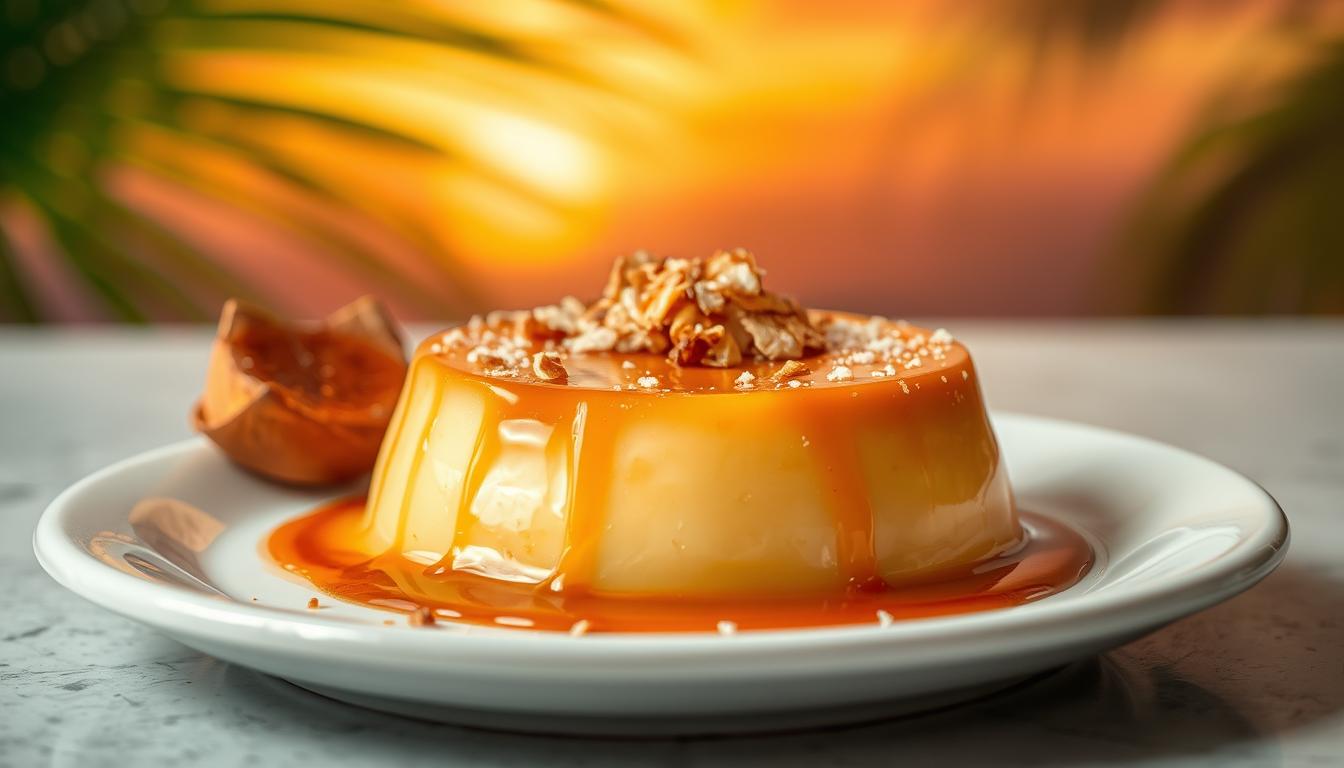
Indulge in the rich and creamy world of Filipino desserts with our authentic Leche Flan recipe. This beloved treat is a staple in Filipino cuisine, known for its smooth texture and sweet flavor.
The origins of Leche Flan are rooted in the Philippines’ rich culinary history, influenced by Spanish colonization. This dessert has become an integral part of Filipino celebrations and gatherings.
Our comprehensive guide will walk you through the simple steps of creating this creamy Filipino dessert at home, ensuring you achieve the perfect caramelized crust and silky texture.
Key Takeaways
- Learn the history and cultural significance of Leche Flan in the Philippines.
- Discover the essential ingredients for an authentic Leche Flan.
- Follow a step-by-step guide to making creamy Leche Flan at home.
- Tips for achieving the perfect caramelized crust.
- Variations of the traditional Leche Flan recipe for modern twists.
The Rich History of Filipino Leche Flan
The history of Leche Flan is a fascinating tale of cultural fusion, deeply rooted in the Philippines’ colonial past. This beloved dessert has become an integral part of Filipino cuisine, reflecting the country’s history and cultural heritage.
Spanish Influence on Filipino Cuisine
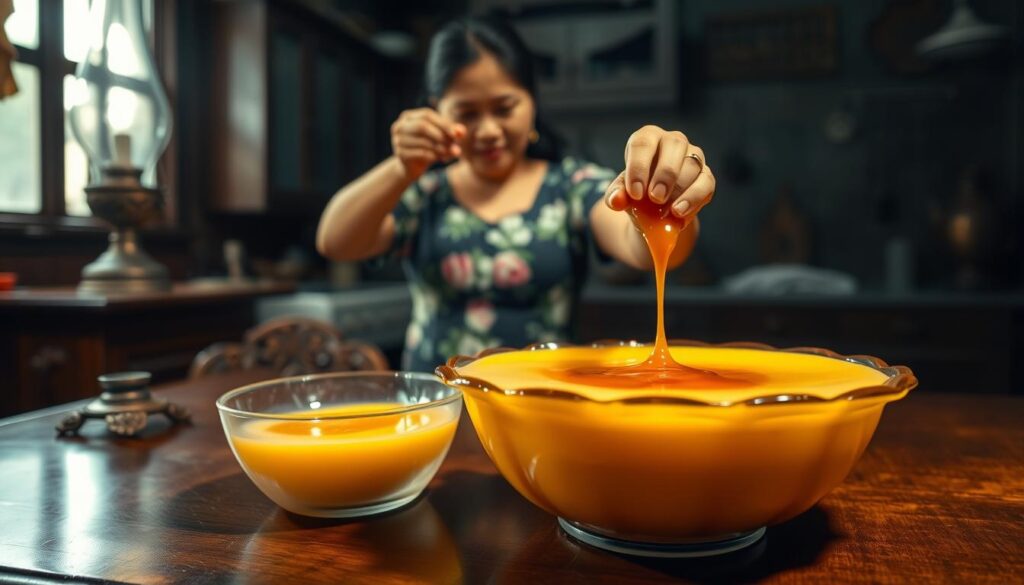
The Spanish colonization of the Philippines introduced various culinary techniques and ingredients that significantly impacted local cuisine. Leche Flan, a variation of the Spanish Crema Catalana, was one such introduction. The dessert was adapted by Filipinos, who incorporated their own preferences and available ingredients, resulting in the Leche Flan known today.
How Leche Flan Became a Filipino Staple
Over time, Leche Flan became a staple in Filipino celebrations and daily life. Its creamy texture and caramel topping made it a favorite among locals. The dessert’s popularity was further enhanced by its ease of preparation and the availability of ingredients. Today, Leche Flan is a must-have at Filipino gatherings and celebrations, symbolizing the country’s rich cultural heritage and culinary adaptability.
What Makes an Authentic Leche Flan Recipe Special
Leche Flan, a dessert deeply rooted in Filipino culture, is cherished for its creamy consistency and sweet caramel sauce. This traditional Filipino dessert has gained popularity worldwide for its rich flavor and smooth texture.
Key Characteristics of Traditional Filipino Flan
Traditional Filipino Flan is known for its creamy texture and rich, caramelized sugar topping. The key to achieving this lies in using high-quality ingredients and following a precise cooking method. The custard base should be smooth and silky, while the caramel sauce should be golden and fragrant.
| Characteristics | Description |
|---|---|
| Custard Base | Smooth, silky, and creamy |
| Caramel Sauce | Golden, fragrant, and caramelized |
| Texture | Creamy and smooth |
Regional Variations Within the Philippines
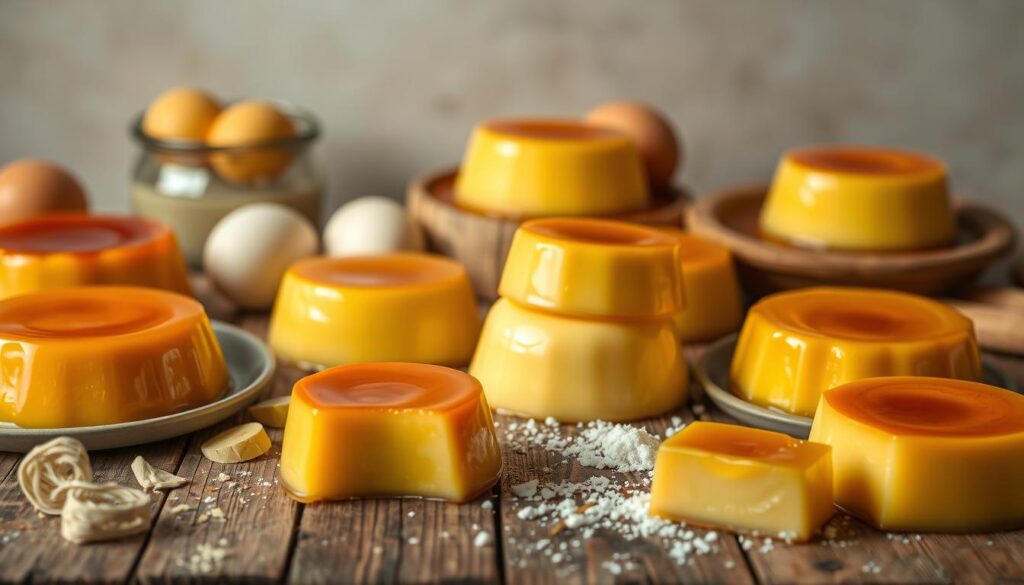
While traditional Filipino Flan is a staple across the Philippines, regional variations exist due to differences in ingredient availability and local preferences. Some regions may use ube or langka to give their Leche Flan a unique twist.
Essential Ingredients for Perfect Leche Flan
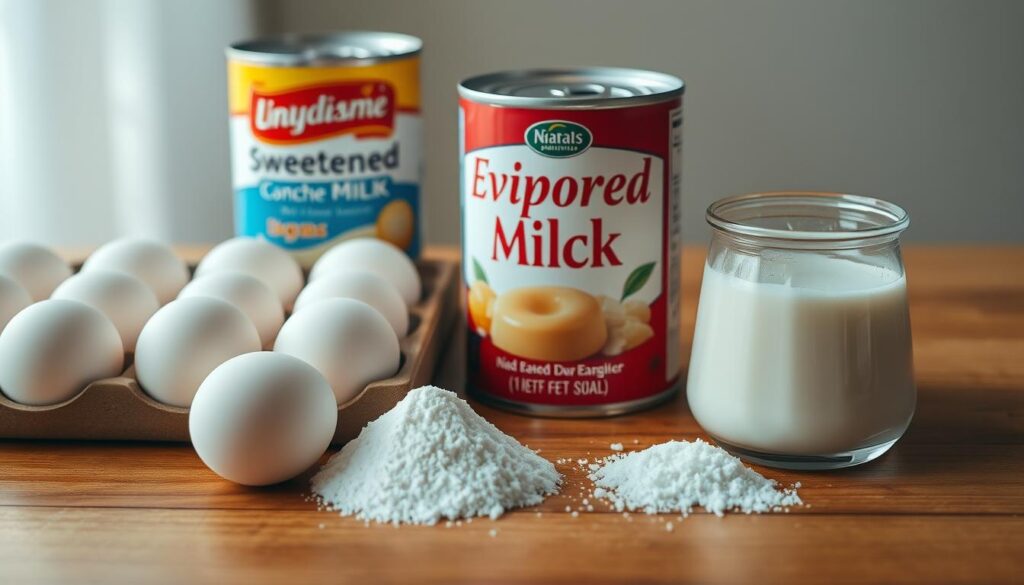
Creating the perfect Leche Flan starts with understanding its core ingredients. The quality and type of ingredients used can significantly affect the final product’s taste, texture, and overall appeal.
Selecting the Right Eggs
Eggs are a crucial component of Leche Flan, providing structure and richness. Fresh, high-quality eggs are essential for a smooth and creamy texture. It’s recommended to use large or extra-large eggs for the best results.
Choosing Between Condensed and Evaporated Milk
The choice between condensed and evaporated milk can significantly impact the flavor and texture of Leche Flan. Condensed milk adds sweetness and creaminess, while evaporated milk contributes to a lighter texture. A combination of both is often used to achieve a balanced taste.
The Importance of Quality Vanilla
Quality vanilla is vital for adding depth and warmth to Leche Flan. Using high-quality vanilla extract or a real vanilla bean can make a noticeable difference in the final flavor.
Sugar Types and Their Effects
The type of sugar used can affect the caramelization process and the overall sweetness of the Leche Flan. Granulated sugar is commonly used for both the caramel topping and the custard base.
| Ingredient | Purpose | Recommended Type |
|---|---|---|
| Eggs | Structure and richness | Large or extra-large |
| Condensed Milk | Sweetness and creaminess | Sweetened condensed milk |
| Evaporated Milk | Texture and flavor | Evaporated milk |
| Vanilla | Flavor and aroma | High-quality vanilla extract |
| Sugar | Sweetness and caramelization | Granulated sugar |
Kitchen Tools and Equipment You’ll Need
The right kitchen tools can make all the difference in preparing Leche Flan. To achieve the perfect creamy texture and caramelized top, you’ll need specific equipment.
Traditional Llanera vs. Modern Alternatives
The traditional choice for cooking Leche Flan is a Llanera, a shallow, round tinplate mold. However, modern alternatives such as silicone molds or even aluminum foil containers can be used as substitutes.
Steaming Equipment Options
Steaming is a crucial step in cooking Leche Flan. You can use a traditional steamer or a large pot with a rack. Modern options include electric steamers or Instant Pots with steaming capabilities.
Strainers and Other Helpful Tools
A fine-mesh strainer is essential for achieving a smooth custard. Other helpful tools include a whisk for mixing, a measuring cup for accurate ingredient proportions, and a spatula for handling the flan.
By having the right kitchen tools and steaming equipment, you’ll be well on your way to creating a delicious Leche Flan.
Preparing the Perfect Caramel for Leche Flan
The process of making caramel for Leche Flan involves more than just melting sugar; it’s about creating a rich, amber-hued sauce that complements the creamy custard. To achieve this, understanding the different methods of caramel preparation is essential.
Dry Method vs. Wet Method
There are two primary methods for making caramel: the dry method and the wet method. The dry method involves melting sugar directly over heat, which can be riskier as it may burn if not monitored closely. On the other hand, the wet method involves dissolving sugar in water before heating it, providing more control over the caramelization process. While both methods can produce excellent results, the wet method is generally recommended for beginners due to its lower risk of burning the sugar.
Achieving the Ideal Amber Color
The ideal caramel color for Leche Flan is a deep amber. This color not only enhances the visual appeal but also contributes to the flavor profile. To achieve this, it’s crucial to heat the sugar slowly and steadily. Stirring constantly can help prevent the sugar from crystallizing and ensure an even color.
Troubleshooting Common Caramel Issues
Despite careful preparation, issues can arise when making caramel. Common problems include crystallization, where the sugar crystallizes instead of melting smoothly, and burning, which can give the caramel a bitter taste. To avoid these issues, using a heavy-bottomed pan and maintaining a consistent heat are recommended. If crystallization occurs, it can often be resolved by heating the mixture gently until the crystals dissolve.
By mastering the art of caramel preparation, you can elevate your Leche Flan to a more authentic and delicious dessert. Whether you’re a novice or an experienced cook, understanding the nuances of caramel making will help you achieve that perfect balance of flavors and textures.
Classic Leche Flan Recipe Step-by-Step
To make a traditional Filipino Leche Flan, one must master the art of caramelizing sugar and blending the custard mixture. This dessert, known for its creamy texture and rich flavor, is a staple in Filipino celebrations.
Making the Caramel Base
The foundation of a great Leche Flan is its caramel base. To create this, combine 1 cup of granulated sugar and 1/2 cup of water in a saucepan. Heat the mixture over medium heat, stirring constantly, until it reaches a deep amber color. This process requires patience, as the sugar must dissolve completely before it starts to caramelize.
Preparing the Custard Mixture
While the caramel cools, prepare the custard mixture. In a large bowl, whisk together 3 large egg yolks, 1 can of condensed milk, and 1 cup of evaporated milk. Add a teaspoon of vanilla extract to enhance the flavor. The mixture should be smooth and free of lumps.
Straining for Silky Smoothness
To ensure the Leche Flan has a silky texture, strain the custard mixture through a fine-mesh sieve into a clean bowl. This step removes any air bubbles and egg solids, resulting in a smooth dessert.
Proper Pouring Techniques
Pour the strained custard mixture into the prepared llanera or baking dish with the caramel base. Pour slowly and steadily to avoid creating air bubbles. This technique is crucial for achieving a smooth, even texture in the finished dessert.
By following these steps and paying attention to detail, you can create a delicious and authentic Leche Flan that showcases the rich flavors and textures characteristic of this beloved Filipino dessert.
Cooking Methods: Steaming vs. Baking
Cooking Leche Flan can be achieved through various methods, each with its unique benefits. The choice of cooking method can significantly impact the texture and flavor of this beloved Filipino dessert.
Traditional Water Bath Technique
The traditional water bath technique, also known as bain-marie, is a time-honored method for cooking Leche Flan. This technique involves placing the llanera or mold in a larger pan filled with hot water, which cooks the custard gently and evenly. The water bath helps prevent the custard from cooking too quickly, reducing the risk of curdling.
Oven-Baked Method
Baking Leche Flan in the oven is another popular method. To do this, place the llanera in a larger baking dish and add hot water to come halfway up the sides of the llanera. This method allows for a more controlled cooking environment and can result in a smooth, creamy texture.
Pressure Cooker and Instant Pot Adaptations
For those looking for a quicker method, using a pressure cooker or Instant Pot can significantly reduce cooking time. These modern appliances allow for precise control over cooking pressure and time, resulting in a perfectly cooked Leche Flan. However, it’s crucial to follow specific guidelines to avoid overcooking.
| Cooking Method | Cooking Time | Texture Outcome |
|---|---|---|
| Water Bath | 45-60 minutes | Smooth, creamy |
| Oven-Baked | 45-50 minutes | Creamy, slightly caramelized top |
| Pressure Cooker/Instant Pot | 10-15 minutes | Smooth, similar to water bath |
As shown in the table, each cooking method has its advantages in terms of cooking time and texture outcome. Experimenting with different methods can help you find the one that works best for you.
How to Tell When Your Leche Flan Is Perfectly Done
Achieving the ideal texture in Leche Flan requires understanding the signs of perfect doneness. Cooking Leche Flan to perfection is a delicate process, but with the right indicators, you can ensure it’s done just right.
Visual Cues for Doneness
One of the primary methods to check if your Leche Flan is cooked is by observing visual cues. A perfectly cooked Leche Flan should have a smooth, creamy surface. If it’s steamed, check that the surface is not too wet or soggy. For baked Leche Flan, look for a custard that’s set around the edges but still slightly jiggly in the center.
The Jiggle Test
The jiggle test is a reliable method to determine doneness. Gently shake the llanera or mold containing the Leche Flan. If it’s cooked just right, the center should jiggle slightly, similar to a gentle wobble. Overcooked Leche Flan won’t jiggle at all, while undercooked ones will have a more pronounced movement.
Cooling Process Importance
The cooling process plays a crucial role in achieving the perfect texture. After cooking, let the Leche Flan cool to room temperature. Then, refrigerate it to chill. This gradual cooling helps in setting the custard properly, ensuring it’s creamy and smooth when served.
By paying attention to these indicators and allowing your Leche Flan to cool properly, you’ll be able to achieve a dessert that’s both visually appealing and delightfully creamy.
Troubleshooting Your Leche Flan Recipe
Even with a precise recipe, Leche Flan can sometimes go awry, but with the right troubleshooting tips, you can achieve perfection. Despite careful preparation, issues like bubbles, curdling, or caramel that won’t release can occur. Fortunately, understanding how to address these problems can save your dessert and enhance your overall experience.
Fixing Bubbles and Air Pockets
Bubbles and air pockets can ruin the smooth texture of your Leche Flan. To prevent this, ensure that you strain the custard mixture properly before pouring it into the llanera. Using a fine-mesh sieve can help remove any air bubbles. Additionally, avoid vigorous stirring, as this can introduce air into the mixture.
Preventing Curdling and Overcooking
Curdling and overcooking are common issues that can result in an unpleasant texture. To avoid these problems, monitor the cooking temperature closely and use a water bath to maintain a consistent heat. It’s also crucial to not overbake; check for doneness regularly.
Solutions for Caramel That Won’t Release
If your caramel sticks to the mold, try dipping the llanera in hot water for a few seconds to loosen it. You can also use a thin knife or spatula to gently release the edges. Ensuring the caramel is not too thick can also help with easy release.
Addressing Texture Problems
Texture issues, such as graininess or unevenness, can be addressed by ensuring the sugar is fully dissolved during the caramelization process. Using high-quality ingredients and properly tempering the eggs can also contribute to a smooth texture.
By following these troubleshooting tips, you can overcome common Leche Flan issues and enjoy a perfectly cooked dessert. Whether you’re a novice or an experienced cook, these solutions will help you achieve a flawless Leche Flan.
Unmolding and Serving Your Leche Flan
Patience is key when unmolding your Leche Flan, as rushing can lead to a broken dessert. The process of unmolding is crucial and requires a gentle touch.
Patience: The Secret to Perfect Unmolding
To unmold your Leche Flan successfully, let it cool completely in the refrigerator. Once chilled, dip the llanera or mold into warm water for about 10 seconds to loosen the caramel. Place a serving plate over the mold and invert it gently. If it doesn’t release easily, repeat the warming process.
Presentation Tips for Special Occasions
For special occasions, consider adding a touch of elegance to your Leche Flan presentation. You can drizzle extra caramel sauce around the dessert or sprinkle toasted nuts on top.
| Occasion | Presentation Tip |
|---|---|
| Birthday Party | Top with whipped cream and a sprinkle of edible gold dust |
| Family Gathering | Garnish with fresh fruit, such as strawberries or mango slices |
Traditional Filipino Serving Customs
In the Philippines, Leche Flan is often served during celebrations and gatherings. It’s typically presented on a decorative plate and served chilled.
By following these tips, you’ll be able to serve your Leche Flan with confidence and style, making it a memorable part of any Filipino-inspired celebration.
Creative Variations and Modern Twists
While traditional Leche Flan remains a beloved dessert, innovative twists are redefining this classic Filipino treat. Modern variations not only pay homage to the original recipe but also introduce exciting flavors that cater to diverse palates.
Ube-Flavored Leche Flan
One of the most popular variations is the Ube-Flavored Leche Flan, which incorporates the vibrant purple yam native to the Philippines. This twist adds a unique flavor and a striking purple hue, making it a favorite among those looking for a modern take on the classic.
Coffee and Chocolate Infusions
For coffee and chocolate lovers, infusing Leche Flan with these flavors creates a rich and decadent dessert. The bitterness of coffee or the deep flavor of chocolate complements the sweetness of the caramel and custard, offering a sophisticated twist.
Coconut Leche Flan
Another variation is the Coconut Leche Flan, which adds a tropical flavor. Coconut milk or shredded coconut can be used to enhance the custard, providing a creamy texture and a hint of coconut taste.
Leche Flan Cake
The Leche Flan Cake is an innovative dessert that combines the traditional Leche Flan with cake, creating a layered treat that’s both familiar and novel. This fusion dessert is perfect for special occasions.
| Variation | Description | Key Ingredient |
|---|---|---|
| Ube-Flavored | Unique flavor and purple color | Ube |
| Coffee/ Chocolate Infused | Rich and decadent | Coffee/ Chocolate |
| Coconut | Tropical flavor | Coconut Milk/Shredded Coconut |
| Leche Flan Cake | Layered dessert | Leche Flan and Cake |
These creative variations not only keep the traditional Leche Flan relevant but also introduce it to a wider audience, showcasing the versatility and enduring appeal of this Filipino dessert.
Conclusion: Celebrating Filipino Culture Through Leche Flan
Leche Flan is more than just a dessert; it’s a symbol of Filipino culture and heritage. This creamy, caramel-topped custard has been a staple in Filipino celebrations and gatherings for generations. By making and sharing Leche Flan, Filipinos connect with their rich cultural traditions and strengthen family bonds.
The significance of Leche Flan in Filipino culture is evident in its presence at almost every special occasion, from fiestas to family reunions. This beloved dessert represents the warmth and hospitality that Filipinos are known for. As we celebrate the uniqueness of Leche Flan, we’re also honoring the cultural heritage it represents.
Whether you’re Filipino or just a fan of this delicious dessert, making Leche Flan is a way to participate in and appreciate Filipino culture. So, the next time you indulge in a slice of this creamy, dreamy dessert, remember the rich history and cultural significance behind it.